Laser fusion welding is a modern process used in manufacturing, engineering, and even advanced scientific research. It is a powerful method for joining metals and other materials, relying on the precision and energy of lasers. Many industries depend on this technology because it produces high-quality welds with speed and accuracy.
Whether you are curious about how it works, its benefits, or its challenges, understanding laser fusion welding can help you make better decisions for your projects or business. This article explains everything you need to know about laser fusion welding.
You will learn how the process works, the key equipment involved, the main advantages and disadvantages, practical examples, and how it compares to other welding methods. By the end, you’ll have a clear picture of why laser fusion welding is important and how it is shaping modern manufacturing.

Inage by hanslaserus
What Is Laser Fusion Welding?
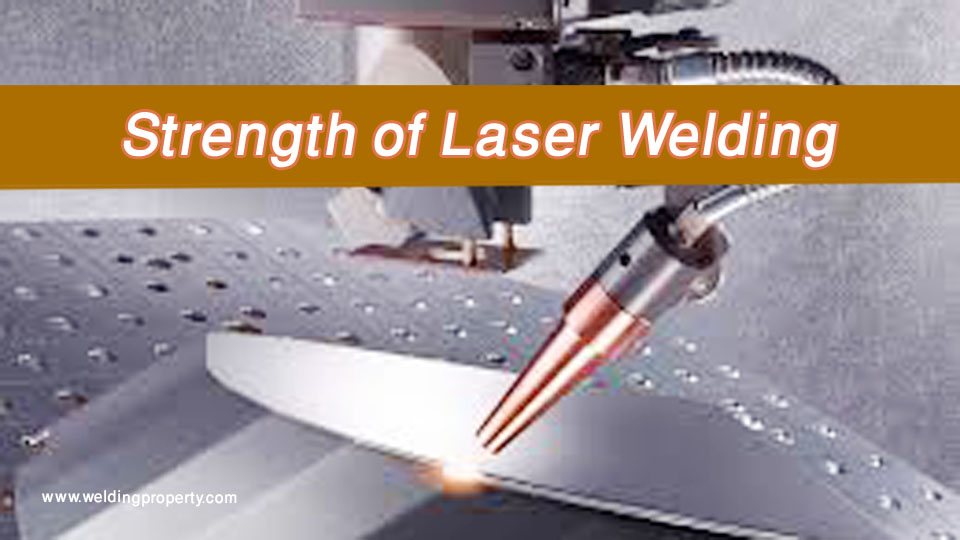
Laser fusion welding is a joining process that uses a focused laser beam to melt and fuse materials together. The laser creates a high-energy spot that heats the material very quickly.
As the material melts, it forms a pool called the weld pool. When the laser moves away, this pool cools and solidifies, creating a strong bond.
Unlike traditional welding, laser fusion welding does not require physical contact. The laser can be directed onto the surface from a distance.
This means there is less risk of contamination, and the weld is often cleaner and more precise. It is especially useful for joining thin metals, delicate components, or materials that need minimal heat distortion.
Laser fusion welding is used in many fields, such as automotive manufacturing, aerospace, electronics, and even medical device production. Its flexibility and accuracy make it a preferred choice when quality and speed are important.
How Laser Fusion Welding Works
The process starts with a powerful laser source. The laser beam is focused onto the materials to be joined. The key steps in laser fusion welding are:
- Preparation: The surfaces to be welded are cleaned. Alignment is critical because the laser beam is very precise.
- Focusing the Laser: The beam is directed and focused onto a small area. The energy density is extremely high, which causes rapid heating.
- Melting: The material at the focus point melts, forming a weld pool.
- Fusion: The molten materials mix and fuse together. This creates a strong bond at the atomic level.
- Cooling: The laser moves away or is switched off. The weld pool cools and solidifies, forming the final joint.
Most laser fusion welding is done using continuous wave (CW) or pulsed lasers. CW lasers produce a constant beam, while pulsed lasers deliver energy in short bursts. The choice depends on the material, thickness, and desired weld quality.
Equipment Used In Laser Fusion Welding
Laser fusion welding relies on advanced equipment. The main components include:
- Laser Source: Often a fiber laser or CO2 laser. Fiber lasers are popular for their efficiency and ability to focus energy.
- Beam Delivery System: Mirrors, lenses, or fiber optics guide the laser beam to the weld area.
- Workpiece Holder: Ensures precise alignment and stability.
- Control System: Software or hardware controls the laser parameters, such as power, speed, and focus.
Some systems also use shielding gas (like argon) to protect the weld from contamination. This is common when welding reactive metals or in environments where cleanliness is critical.

Credit: shop.bosslaser.com
Types Of Lasers Used
Different types of lasers are used for fusion welding, each with unique properties:
- Fiber Lasers: High efficiency, good for fine and deep welds. Used in electronics and automotive.
- CO2 Lasers: Powerful, can weld thicker materials. Common in large-scale manufacturing.
- Nd: YAG Lasers: Good for both pulsed and continuous operation. Used for precision work.
- Diode Lasers: Compact, suitable for small-scale applications.
The choice of laser depends on factors like material type, thickness, and the desired quality of the weld.
Key Advantages Of Laser Fusion Welding
Laser fusion welding offers several unique benefits:
- Precision: The laser beam can be focused to a very small spot, allowing extremely accurate welds.
- Speed: Welding is fast, often much faster than traditional methods.
- Minimal Heat Affected Zone (HAZ): Only a small area is heated, reducing distortion and damage.
- Clean Welds: No physical contact means less contamination.
- Ability to Weld Difficult Materials: Materials like titanium or special alloys can be welded easily.
- Automation Friendly: Laser welding can be controlled by robots or CNC machines.
- Non-contact Process: Reduces wear and tear on equipment.
Laser fusion welding is ideal for applications where quality and speed matter. It is often used for small, delicate parts or in environments where cleanliness is important.
Limitations And Challenges
While laser fusion welding is powerful, it has some drawbacks:
- High Equipment Cost: Laser systems are expensive to buy and maintain.
- Sensitive to Alignment: Misalignment can lead to weak or failed welds.
- Limited Joint Types: Best for butt joints and lap joints; less suitable for complex shapes.
- Safety Risks: Lasers can cause eye or skin injuries if not used properly.
- Material Thickness Limits: Some lasers cannot weld very thick materials.
Beginners often miss the importance of joint preparation and shielding gas. Poor surface cleaning or incorrect gas flow can lead to weld defects.

Image by bosslaser
Common Applications Of Laser Fusion Welding
Laser fusion welding is used in many industries. Some typical applications include:
- Automotive: Welding car bodies, batteries, and sensors.
- Aerospace: Joining lightweight alloys and critical components.
- Electronics: Making connections in circuit boards and microchips.
- Medical Devices: Creating precise welds in surgical tools and implants.
- Jewelry: Repairing or creating fine metal pieces.
- Battery Manufacturing: Welding battery tabs for electric vehicles.
- Tool Production: Joining hard metals for cutting tools.
Each industry uses laser fusion welding for its speed, precision, and quality. For example, in battery manufacturing, laser welding ensures reliable connections that can withstand vibration and heat.
Comparison: Laser Fusion Welding Vs. Other Welding Methods
To understand the advantages, it’s helpful to compare laser fusion welding with other popular methods. The table below highlights key differences:
| Welding Method | Heat Affected Zone | Precision | Speed | Material Thickness | Cost |
|---|---|---|---|---|---|
| Laser Fusion Welding | Very small | High | Fast | Thin to medium | High |
| MIG Welding | Large | Moderate | Moderate | Medium to thick | Low |
| TIG Welding | Small | High | Slow | Thin to medium | Moderate |
| Spot Welding | Moderate | Low | Fast | Thin | Low |
As shown, laser fusion welding is best when precision and a small heat affected zone are needed. MIG and TIG are better for thicker materials or less demanding jobs.
Technical Parameters In Laser Fusion Welding
Several parameters must be controlled for a successful weld:
- Laser Power: Higher power allows deeper penetration, but too much can cause excessive melting.
- Welding Speed: Faster speed reduces heat input but can lead to incomplete fusion.
- Focus Position: The laser must be focused exactly on the joint.
- Shielding Gas Flow: Protects the weld from oxidation and contamination.
- Pulse Duration: For pulsed lasers, controls how long the energy is applied.
Beginners often overlook the importance of focus position. Even a small error can change the weld quality. It’s also important to adjust shielding gas for each material.

Credit: www.thefabricator.com
Real-world Example: Laser Fusion Welding In Automotive Industry
The automotive industry uses laser fusion welding for joining car body panels, battery packs, and sensors. A typical car body weld may use a fiber laser with 5-10 kW power. The weld is just a few millimeters wide but can be several meters long. Because of its speed and quality, laser fusion welding allows car makers to produce lighter, stronger vehicles.
For battery manufacturing, laser welding is critical. It connects thin metal tabs in lithium-ion batteries. These welds must survive vibration and heat. Laser welding produces strong, reliable joints quickly, helping electric vehicles become safer and more efficient.
Quality Control In Laser Fusion Welding
Quality control is essential for laser fusion welding. Common techniques include:
- Visual Inspection: Checking the appearance of the weld.
- X-ray or Ultrasonic Testing: Detects internal defects.
- Destructive Testing: Cutting the weld to check strength.
- Microstructure Analysis: Using microscopes to study the weld zone.
Laser fusion welding often produces fewer defects than traditional methods. However, it is still important to check for porosity, cracks, or incomplete fusion. Automated inspection systems can monitor weld quality in real time.
Safety Considerations
Laser fusion welding involves risks. The main safety issues are:
- Eye Damage: Lasers can cause permanent eye injury. Protective goggles are essential.
- Skin Burns: High-energy beams can burn skin.
- Fume Inhalation: Welding produces fumes that can be harmful.
- Fire Risk: Lasers can ignite flammable materials.
Proper training and safety equipment are required. Work areas should be enclosed, and operators must follow strict safety protocols. Beginners often forget that even reflected laser beams can cause injury.
Cost Analysis: Is Laser Fusion Welding Worth It?
Laser fusion welding systems are expensive. A typical industrial laser welder costs $50,000 to $500,000, depending on power and features. Maintenance and training also add costs.
However, the long-term savings can be significant. Laser welding reduces defects, speeds up production, and allows automation. For high-volume manufacturing or products needing very clean welds, the investment is often justified.
Here’s a comparison of estimated costs per weld for different methods:
| Welding Method | Initial Equipment Cost | Maintenance Cost | Labor Cost | Per Weld Cost |
|---|---|---|---|---|
| Laser Fusion Welding | $100,000+ | High | Low (automated) | $0.10 – $0.50 |
| MIG Welding | $5,000 – $15,000 | Moderate | High | $0.50 – $2.00 |
| TIG Welding | $7,000 – $20,000 | Moderate | High | $0.60 – $2.50 |
Laser fusion welding is more expensive upfront but can save money over time, especially for automated or high-quality jobs.
Material Compatibility And Limitations
Laser fusion welding works best with certain materials:
- Steel: Most types can be welded. Stainless steel is common.
- Aluminum: Good results, but needs proper shielding gas.
- Titanium: Excellent welds, used in aerospace and medical.
- Copper: Challenging due to high reflectivity.
- Nickel Alloys: Often used in high-temperature environments.
Not all materials are suitable. Highly reflective metals (like copper and gold) can reflect the laser, reducing efficiency. Some plastics can be welded if they absorb the laser wavelength.
Beginners often miss that surface cleanliness is critical. Even small amounts of oil, dust, or oxidation can cause weld defects.
Future Trends In Laser Fusion Welding
Laser fusion welding is evolving quickly. New trends include:
- Higher Power Lasers: Allow welding of thicker materials.
- Adaptive Control Systems: Real-time adjustment for perfect welds.
- Hybrid Welding: Combining lasers with other methods for better results.
- Miniaturization: Smaller, portable laser welders for field use.
- AI and Machine Learning: Improving quality control and reducing defects.
Research is ongoing to make laser fusion welding more affordable and versatile. For example, scientists are developing lasers that can weld tricky materials like copper or even ceramics.
Credit: www.faistgroup.com
Practical Tips For Beginners
If you are new to laser fusion welding, here are some practical tips:
- Start Small: Practice on simple materials like stainless steel.
- Clean Surfaces Well: Use solvents or brushes to remove dirt and oil.
- Use Proper Safety Gear: Always wear laser-safe goggles and gloves.
- Check Alignment Carefully: Even a small error can ruin the weld.
- Control Shielding Gas: Adjust flow for each material.
- Monitor Weld Quality: Use inspection tools to check for defects.
Two insights many beginners miss:
- Focus position affects both penetration depth and weld width. Adjust carefully for each job.
- Pulse duration is key for pulsed lasers. Short pulses can reduce heat distortion but may not fully fuse thick materials.
Laser Fusion Welding In Research And Advanced Technology
Laser fusion welding is not just for factories. It is also used in scientific research, especially in fields like nuclear fusion and space exploration. For example, researchers use lasers to join tiny components in fusion reactors, where precision is critical. The ability to control energy and heat so precisely is making new discoveries possible.
Environmental Impact
Laser fusion welding can be more environmentally friendly than traditional methods. It uses less energy overall, produces fewer fumes, and reduces waste. Many factories are switching to laser welding to lower their carbon footprint. However, the production and disposal of laser equipment must be managed carefully.
Final Thoughts
Laser fusion welding is a remarkable technology that has changed how industries join materials. Its precision, speed, and cleanliness have made it a top choice for modern manufacturing. While it requires careful preparation and investment, the results are high-quality welds that can stand up to tough demands.
If you are considering laser fusion welding for your project or business, understanding its strengths and challenges will help you make informed decisions. As technology advances, laser fusion welding will continue to play a key role in shaping the future of manufacturing and engineering.
Frequently Asked Questions
What Materials Can Be Welded With Laser Fusion Welding?
Laser fusion welding works best with stainless steel, aluminum, titanium, and nickel alloys. Some plastics can also be welded if they absorb the laser wavelength. Highly reflective metals like copper are challenging but possible with special lasers.
Is Laser Fusion Welding Safe?
Laser fusion welding is safe when proper precautions are taken. Operators must use laser-safe goggles, protective clothing, and follow strict safety rules. Work areas should be enclosed to prevent accidental exposure.
How Does Laser Fusion Welding Compare To Mig And Tig Welding?
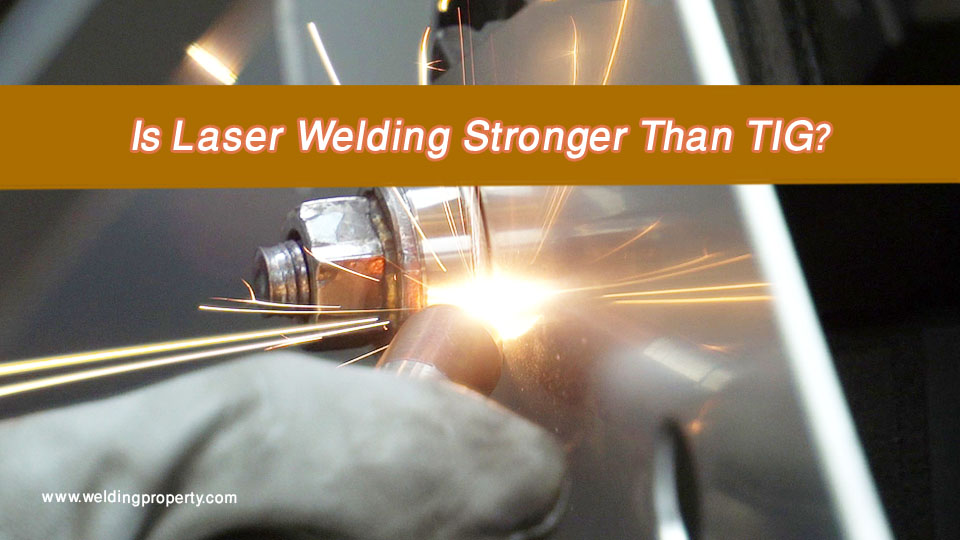
Laser fusion welding offers higher precision, faster speed, and a smaller heat affected zone. It is more expensive but produces cleaner, stronger welds. MIG and TIG are better for thicker materials or less demanding applications.
Can Laser Fusion Welding Be Automated?
Yes, laser fusion welding is often automated. Robots or CNC machines control the laser, making the process faster and more consistent. Automation is one reason laser welding is popular in high-volume manufacturing.
What Are Common Defects In Laser Fusion Welding?
Common defects include porosity, cracks, incomplete fusion, and surface contamination. Most defects are caused by poor joint preparation or incorrect laser settings. Inspection tools help detect and fix these problems.