When I first tackled MIG welding 304 stainless steel, I assumed it would behave just like mild steel — but stainless quickly proved me wrong. Getting the right shielding gas mix, prepping the joint correctly, and deciding between stainless filler wire or solid wire for better arc control all became part of the learning curve.
A lot of welders run into the same problem: stainless warps, cracks, or even loses corrosion resistance if you don’t approach it properly. The real difference between MIG vs TIG on stainless isn’t just technique — it directly impacts weld quality, structural strength, and cost-efficiency.
Control over heat input and attention to metal thickness make all the difference between a brittle weld and a clean, durable joint. Stick around, because in this guide I’ll break down the steps and tips that make stainless MIG welding not only possible but reliable.

Image by reddit
Why MIG Welding Stainless Steel Is Different
Stainless steel isn’t like mild steel—it’s an alloy packed with chromium and often nickel, giving it that shiny, rust-resistant finish. But those same properties make it tricky to weld. It conducts heat poorly, so it holds onto heat longer, which can lead to warping or burn-through if you’re not careful. It also forms a protective oxide layer, which is great for corrosion resistance but can cause issues if not cleaned properly before welding.
MIG welding, or Gas Metal Arc Welding (GMAW), uses a continuous wire feed and shielding gas to create strong, fast welds. It’s faster than TIG and easier than stick, making it ideal for thicker stainless steel or production work. But to keep stainless steel’s corrosion resistance and avoid defects like cracking or porosity, you need the right setup and technique. I’ve burned through plenty of stainless in my early days by rushing prep or cranking the heat too high—trust me, a little patience goes a long way.
Choosing the Right MIG Welder for Stainless Steel
Your MIG welder needs to handle stainless steel’s demands. Most modern MIG machines work, but adjustable voltage, amperage, and wire feed speed are must-haves for fine-tuning. If you’re working with thin stainless (like 1/16-inch sheets), a welder with pulsed MIG capabilities is a game-changer. It alternates high and low currents to reduce heat input, minimizing distortion.
For DIYers or hobbyists, something like a Lincoln Electric Power MIG 210 MP or Hobart Handler 190 gets the job done for small to medium projects. Pros tackling thicker materials might lean toward a Miller Millermatic 211 Pro or a Weldmax 355i for higher amperage. I once used a basic 140-amp machine for a stainless exhaust repair, and while it worked, I wished I had more control over the settings for a cleaner bead.
Make sure your welder supports DCEP (Direct Current Electrode Positive) polarity—standard for gas-shielded MIG welding stainless. Gasless flux-cored wire is an option for outdoor jobs, but it’s not ideal for stainless due to slag cleanup and rougher welds. Check your machine’s manual for stainless-specific settings, and don’t skimp on a quality torch with a comfortable grip—you’ll be holding it for a while.
Selecting the Right Filler Wire
The filler wire is your weld’s backbone, and choosing the wrong one can ruin corrosion resistance or strength. For stainless steel, match the wire to the base metal’s alloy. Here’s a quick rundown:
304/304L Stainless: Use ER308L or ER308LSi wire. The “L” stands for low carbon, reducing the risk of carbide precipitation (which weakens corrosion resistance). The “Si” adds silicon for better puddle flow.
316/316L Stainless: Go with ER316L or ER316LSi for marine or chemical applications where corrosion resistance is critical.
Dissimilar Metals: If welding stainless to mild steel, ER309L is your friend—it handles the alloy mismatch well.
Wire diameter matters too. For thin materials (1/16 to 1/8 inch), use 0.030-inch wire. For thicker stuff (1/4 inch and up), 0.035 or 0.045-inch wire gives better penetration. I learned the hard way that using mild steel wire on stainless leaves ugly, weak welds that rust fast. Stick to stainless-specific wire, and store it in a dry place to avoid contamination.
Picking the Best Shielding Gas
Shielding gas protects your weld pool from oxygen and nitrogen, which can cause porosity or weaken the joint. For MIG welding stainless steel, avoid standard mild steel mixes like 75% argon/25% CO2—they’re too high in carbon dioxide and can degrade corrosion resistance. Instead, try these:
Tri-Mix (90% Helium, 7.5% Argon, 2.5% CO2): My go-to for most stainless jobs. It gives a stable arc, low spatter, and good penetration. Perfect for 304 or 316 stainless.
98% Argon/2% CO2: Great for thin materials or when you want minimal spatter. It’s cheaper than tri-mix but less versatile.
Pure Argon: Works for very thin stainless but can make the arc less stable on thicker materials.
Set your gas flow to 20–25 cubic feet per hour (CFH) for indoor welding. If you’re outside, bump it to 25–30 CFH to counter wind, or use a windscreen. I once had a weld go porous because a shop fan was blowing across my work—lesson learned: control your environment.
Pre-Welding Preparation: Setting Up for Success
Prep work is where good welds are born. Stainless steel is unforgiving, so don’t skip these steps:
Clean the Surface: Use a dedicated stainless steel wire brush (never used on mild steel) to remove oxide layers, dirt, or grease. Follow with acetone or alcohol and a lint-free cloth. Contaminants like oil or paint can cause porosity or weak welds. I’ve seen newbies skip this and end up with bubbly welds that fail inspection.
Joint Fit-Up: Ensure tight, gap-free joints. Stainless expands and contracts more than mild steel, so poor fit-up leads to distortion. Use clamps or welding magnets for precision.
Edge Prep: For thicker materials (1/4 inch and up), bevel edges with an angle grinder for better penetration. A 30-degree bevel works well for butt joints.
Tack Welds: Use small, evenly spaced tack welds to hold pieces in place. Skip welding (alternating short welds) helps manage heat on long joints.
One time, I rushed prep on a stainless railing job and ended up with a warped piece that took hours to fix. Take your time here—it’s worth it.
Step-by-Step Guide to MIG Welding Stainless Steel
Ready to weld? Here’s how I approach it in the shop:
Set Up Your Welder:
- Switch to DCEP polarity (positive to torch, negative to ground clamp).
- Dial in voltage and wire feed speed based on material thickness. For 1/8-inch 304 stainless, try 18–20 volts and 250–300 inches per minute (IPM) wire feed. Check your machine’s chart for a starting point.
- Set gas flow to 20–25 CFH with tri-mix or 98/2 argon/CO2.
Test on Scrap:
- Grab a piece of scrap stainless and run a test bead. Adjust settings until you get a smooth, consistent arc with minimal spatter. I always test first—it saves headaches on the real job.
Position the Torch:
- Hold the MIG gun at a 10–15-degree push angle (pointing in the direction of travel). This flattens the bead and reduces spatter.
- Keep a 1/4 to 1/2-inch stick-out (the distance from the contact tip to the workpiece). Too long, and you’ll lose gas coverage; too short, and the tip overheats.
Weld with Control:
- Use a steady travel speed to avoid overheating. Stainless needs a faster pace than mild steel to prevent burn-through.
- For thin materials, try short-circuit transfer or pulsed MIG to keep heat low. For thicker stuff, spray transfer gives deeper penetration.
- Use a slight weave or stringer bead, depending on the joint. I prefer a tight weave for fillet joints to fill evenly.
Manage Heat:
- Weld in short bursts (1–2 inches) and let the material cool to avoid distortion. Use copper chill bars to pull heat away from thin stainless.
- Watch for discoloration. A light straw color is fine, but dark blue or black means too much heat, which can weaken corrosion resistance.
Post-Weld Cleanup:
- Brush the weld with a stainless steel wire brush to remove slag or oxide. Clean with acetone to restore the surface.
- Inspect for cracks, porosity, or incomplete fusion. A good weld looks uniform, with smooth, even ripples.
MIG vs TIG vs Stick for Stainless Steel
| Welding Process | Best For | Pros | Cons |
|---|---|---|---|
| MIG | Thicker materials, production work | Fast, versatile, beginner-friendly | Less precise, more spatter than TIG |
| TIG | Thin materials, high-quality welds | Precise, clean, minimal spatter | Slow, requires skill |
| Stick | Outdoor, structural welds | Portable, no gas needed | Rough welds, more cleanup |
MIG strikes a balance between speed and quality, making it ideal for most stainless jobs. TIG is better for thin sheets or food-grade welds, while stick is a last resort for stainless due to its rough finish.
Common Mistakes and How to Fix Them
Even seasoned welders mess up sometimes. Here are pitfalls I’ve hit and how to avoid them:
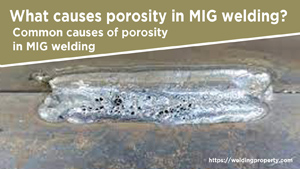
Porosity (Tiny Holes in Weld): Caused by dirty surfaces, low gas flow, or drafts. Clean thoroughly, check gas coverage, and shield your work area.
Warping: Too much heat or slow travel speed. Use lower amps, faster travel, and skip welding to spread heat evenly.
Spatter: Wrong settings or poor technique. Fine-tune voltage and wire feed, and maintain a consistent torch angle.
Black Welds: Too much heat or oxygen exposure. Lower amperage, increase travel speed, and ensure proper gas flow.
I once had a stainless job go south because I didn’t notice a clogged gas nozzle. The weld looked like Swiss cheese. A quick nozzle clean and a gas flow tweak fixed it.
Safety Considerations for MIG Welding Stainless Steel
Welding stainless steel isn’t just about technique—it’s about staying safe. The bright arc and UV light can burn your eyes, and stainless produces more intense UV than mild steel. Here’s what I keep in my safety kit:
- Welding Helmet: An auto-darkening helmet with a shade range of 9–13 is essential. I use one with a large viewing area for better visibility.
- Gloves and Jacket: Flame-resistant elkskin gloves and a cotton welding jacket protect against sparks and heat.
- Ventilation: Stainless welding fumes contain chromium and nickel, which can be toxic. Use a fume extractor or weld in a well-ventilated area.
- Boots: Steel-toe boots save your feet from falling sparks or heavy metal.
I learned the ventilation lesson the hard way after welding in a cramped shop and feeling dizzy from fumes. Now, I always crack a window or use a fan.
Practical Tips for Better Stainless Welds
Use a Dedicated Brush: Never use a brush that’s touched mild steel—it’ll contaminate your weld with carbon.
Pulse MIG for Thin Materials: If your welder has pulse mode, use it to reduce heat input on 1/16-inch or thinner stainless.
Practice on Scrap: Stainless is expensive, so practice settings on scrap to avoid ruining your workpiece.
Monitor Heat: If the metal turns dark blue or black, you’re overheating. Dial back amps or speed up.
Invest in Quality Wire: Cheap wire feeds unevenly and causes spatter. Stick with reputable brands like Lincoln or ESAB.
Real-World Applications
MIG welding stainless steel shines in many scenarios:
- DIY Projects: Custom exhausts, BBQ grills, or furniture frames.
- Hobbyist Fabrication: Building shiny motorcycle parts or art installations.
- Professional Work: Industrial tanks, food processing equipment, or marine fittings.
- Students: Learning versatile welding skills for future jobs.
I once helped a buddy MIG weld a stainless steel brewery tank. We used ER316L wire and tri-mix gas for food-grade welds that passed inspection with flying colors. The right prep and settings made all the difference.
Conclusion: Weld with Confidence
You’re now armed with the know-how to MIG weld stainless steel like a pro. From picking the right wire and gas to mastering prep and technique, you’ve got the tools to create strong, corrosion-resistant welds that look great and hold up. Whether you’re a DIYer tinkering in your garage, a hobbyist crafting custom pieces, a student honing your skills, or a pro on a deadline, these steps will keep your welds clean and your projects on track.
FAQ
What’s the best shielding gas for MIG welding stainless steel?
Tri-mix (90% helium, 7.5% argon, 2.5% CO2) is ideal for most stainless steel welds. It gives a stable arc, low spatter, and good penetration. For thin materials, 98% argon/2% CO2 works well to minimize spatter.
Can I use a gasless MIG welder for stainless steel?
Yes, with flux-cored stainless wire, but it’s not ideal. Gas-shielded MIG with tri-mix or argon/CO2 produces cleaner welds with less slag and better corrosion resistance.
How do I prevent warping when welding stainless steel?
Use low amperage, fast travel speed, and skip welding to spread heat. Tack welds and copper chill bars also help. Practice on scrap to find the sweet spot for your material.
What filler wire should I use for 304 stainless steel?
ER308L or ER308LSi is the go-to for 304 stainless. The low-carbon “L” prevents corrosion issues, and “Si” improves puddle flow for smoother welds.
Why are my stainless welds turning black?
Black welds mean too much heat or poor gas coverage. Lower your amperage, increase travel speed, or check for clogged nozzles or drafts disrupting your shielding gas.