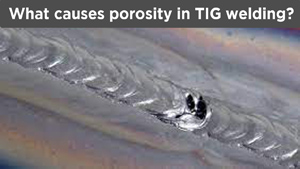
TIG welds have a look all their own — smooth, shiny, and clean, like stacked dimes laid perfectly in a row. I used to wonder what made them so precise compared to MIG or Stick welding, and that’s when I learned what TIG stands for in welding and why it’s such a game changer for fine metalwork.
TIG means Tungsten Inert Gas welding — a process that uses a non-consumable tungsten electrode and an inert shielding gas (usually argon) to produce incredibly controlled, high-quality welds. Once you understand how it works, you’ll see why pros use it for stainless steel, aluminum, and any job where appearance and strength both matter.
In this guide, I’ll break down what TIG really means, how it compares to other welding types, and the key reasons it’s worth mastering. Let’s dig in and make sense of what gives TIG its reputation for precision.

Image by pgnbearings
What Is TIG Welding and Why Is It a Game-Changer?
TIG welding is that precision dance where you control every ripple in the puddle. Unlike MIG’s spray-and-pray or stick’s flux fireworks, TIG uses a non-consumable tungsten electrode to create the arc. You shield it all with inert gas—usually argon—to keep oxygen out and your weld pure.
I first picked up a TIG torch 15 years ago on a job site repairing stainless exhausts. The foreman handed me one and said, “Kid, this ain’t spray welding—feel the heat.” Blew my mind. Today, in my garage, it’s my go-to for everything from bike frames to pressure vessels.
Real-world perks? Versatility. Weld thin as 24-gauge or thick pipe roots. All positions—overhead, vertical, you name it. Cost efficiency shines on high-end jobs: No post-weld grinding saves hours. And material compatibility? Aluminum, stainless, titanium, even exotic alloys like Inconel.
But it’s not magic. It demands prep work—clean metal, sharp tungsten, steady hands. Nail it, and your welds pass X-ray like butter.
How Does TIG Welding Work? Breaking It Down Simple
Think of TIG as cooking with a laser-focused flame. Here’s the flow:
- Strike the arc: High-frequency (HF) zap jumps from tungsten tip to metal—no touching needed.
- Build the puddle: Foot pedal (or finger control) dials amps. Arc melts base metal into a shiny pool.
- Add filler: Dip in rod by hand, like icing a cake. Keep it in the gas shield.
- Shield it: Argon flows from the cup, blanketing everything. Post-flow cools the tungsten.
Pro tip from the shop: Always preheat thin aluminum 200°F. I once warped a customer’s toolbox skipping that—lesson learned.
Key Parts of Your TIG Setup
Don’t skimp here—bad gear bites back.
| Component | What It Does | My Pick for USA Shops |
|---|---|---|
| TIG Torch | Holds tungsten, gas cup | WP-17 or CK Worldwide—water-cooled for long runs |
| Tungsten Electrode | Creates arc (doesn’t melt) | 2% lanthanated (blue) for AC/DC versatility |
| Power Supply | AC/DC output, HF start | Miller Syncrowave or Lincoln Square Wave—200A min |
| Foot Pedal | Amps control | Essential—fingertip’s for pros only |
| Gas Regulator | Argon flow 15-25 CFH | Victor or Harris—pure argon tank |
| Filler Rod | Fills the joint | ER4043 aluminum, ER308L stainless |
Prep your tungsten: Grind lengthwise on a dedicated 100-grit wheel to a point (DC) or ball (AC aluminum). Protrude 1/4-inch from cup.
Why Choose TIG Over MIG or Stick? Head-to-Head Comparison
Newbies always ask: “TIG, MIG, or stick—which wins?” Depends on the job, but here’s my battle-tested breakdown.
| Feature | TIG | MIG | Stick (SMAW) |
|---|---|---|---|
| Speed | Slow (artisan pace) | Fast (production king) | Medium (outdoor beast) |
| Cleanliness | Spotless—no spatter | Some cleanup | Slag chipping |
| Skill Level | High (dance partner) | Beginner-friendly | Medium (forgiving arc) |
| Best For | Thin/exotics/aluminum | Thick mild steel | Dirty/rusty/outdoor |
| Cost per Weld | Higher setup, premium results | Cheap wire | Cheapest electrodes |
| Positions | All | Good, not overhead | All (wind-proof) |
| Pros | Precision, strength, beauty | Easy, fast | Portable, versatile |
| Cons | Slow, tiring | Spatter, wind-sensitive | Slag, less pretty |
My take: MIG for fab shop volume. Stick for farm repairs. TIG for pride. Last month, I TIG’d a stainless sink drain—customer flipped. MIG? Looked like pizza.
Best Materials for TIG Welding: Match the Process Right
TIG eats non-ferrous and stainless for breakfast. Here’s the dirt.
TIG Welding Aluminum Like a Pro
Aluminum oxidizes fast—AC polarity blasts it off. Use ER4043 rod for dirty stuff, ER5356 for strength.
Settings cheat:
- 1/16″ thick: 60-80A AC, 100Hz freq
- 1/8″: 100-130A AC, #8 cup
Apprentice melted his first alum sheet—too hot, no pedal control. Fix: Start low, feather pedal, trail rod. Clean with acetone first.
Tip: Pulse mode (1-2 PPS) kills heat input, prevents warp.
Perfect TIG Welds on Stainless Steel
DCEN, ER308L rod. Aim “straw color” (not blue/black—overheat kills corrosion resistance).
Settings:
- 16ga: 70-90A DC
- 1/8″: 110-140A
Common fix: Sugaring? Back-purge with argon. I pipe-weld weekly—lifesaver.
TIG for Mild Steel and Beyond
DCEN, ER70S-2 rod. Great roots before MIG cap.
Settings:
- 1/8″: 90-120A
Hack: Grind tungsten sharp—ball ends wander arc.
Step-by-Step: How to TIG Weld for Beginners
Grab scrap 1/8″ alum. Let’s weld.
- Prep: Clamp flat. Degrease, wire brush.
- Setup: AC, 100A max, 20 CFH argon, HF start.
- Strike: Torch 15° push, 1/8″ standoff.
- Puddle: Pedal to keyhole size. Circle for fusion.
- Filler: 10° dip, match travel speed.
- Tie-off: Backstep crater, post-flow 10 sec.
Practice 50 beads. You’ll stack dimes by week two.
My first win: Fabbed a toolbox—pro finish, zero grind.
TIG Welding Machine Settings Cheat Sheet
| Material/Thick | Polarity | Amps | Gas Flow | Tungsten | Filler |
|---|---|---|---|---|---|
| Alum 1/16″ | AC | 70-90 | 20 CFH | 1/16″ blue | 3/32″ 4043 |
| Alum 1/8″ | AC | 110-140 | 25 CFH | 3/32″ blue | 1/8″ 4043 |
| SS 16ga | DCEN | 60-80 | 15 CFH | 1/16″ red | 1/16″ 308L |
| SS 1/8″ | DCEN | 100-130 | 20 CFH | 3/32″ red | 3/32″ 308L |
| Mild 1/8″ | DCEN | 90-120 | 20 CFH | 3/32″ gold | 3/32″ 70S-6 |
Tweak rule: 1A per 0.001″ thick. Test on scrap.
Common TIG Welding Mistakes (And How I Fixed Them)
Seen ’em all—here’s your dodge list.
- Tungsten contamination: Touches puddle? Re-grind whole tip. Fix: Dedicated grinder.
- Porosity: Dirty metal/gas leaks. Fix: Soap test hoses, acetone wipe.
- Black smut (alum): Wrong balance. Fix: 70% EN.
- Wandering arc: Blunt tungsten. Fix: Diamond grinder.
- Craters: Yank pedal fast. Fix: Backfill while tapering amps.
Buddy last week: “Porosity hell!”—bad regulator. Swapped, perfect.
TIG Welding Safety: Gear Up or Go Home
Must-haves:
- Auto-dark #10 hood (HF blinds ya)
- Leather jacket/gloves—sparks fly
- Respirator (ozone sucks)
- No rings—arc zaps fingers
Shop rule: Post-flow 15 sec, or tungsten oxidizes. Fire extinguisher nearby—argon displaces O2.
I’ve singed eyebrows—don’t join me.
Wrapping It Up: You’re TIG-Ready Now
From tungsten inert gas basics to puddle mastery, you’re armed for clean, bombproof welds. Prep ruthless, pedal smooth, practice daily. You’ll save cash on re-dos, boost pride in every bead, and tackle jobs MIG can’t touch. Invest in pulse—transforms thin stuff. Fire up that torch, friend. Your first dime-stack awaits. Questions? Hit the comments.
FAQ
What Does TIG Stand For in Welding Exactly?
Tungsten Inert Gas—tungsten electrode, inert argon shield. Aka GTAW. Simple.
TIG vs MIG: Which Is Easier for Beginners?
MIG’s quicker to learn, but TIG’s rewarding. Start MIG volume, TIG finesse. I teach both.
Can You TIG Weld Without a Foot Pedal?
Yeah, fingertip remote. But pedal’s king—full control, less fatigue.
What’s the Best Gas for TIG Welding?
Pure argon—15-25 CFH. Helium mix for thick alum penetration.
How Long to Learn TIG Welding Basics?
50-100 hours practice. Coupons daily, you’ll stack by month one.