As a welder who’s spent years perfecting TIG welds on aluminum, I often get asked whether high frequency (HF) is necessary for this tricky metal. The short answer is yes, high frequency is typically needed to TIG weld aluminum effectively, especially for consistent arc starts and stable welding. There’s more to the story, and I’m excited to share what I’ve learned from countless hours in the shop.
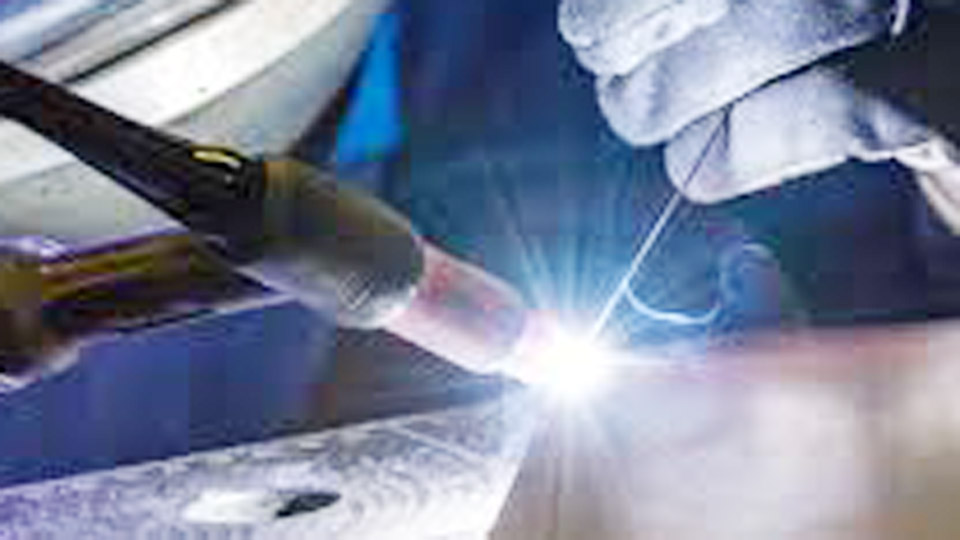
Photo by red-d-arc
I’ll explain why high frequency is important, how it works, when you might not need it, and practical tips for TIG welding aluminum. If you’re new to welding or looking to refine your skills, let’s dive into the details and clear up the confusion!
What Is High Frequency in TIG Welding?
High frequency (HF) in TIG (Gas Tungsten Arc Welding, or GTAW) refers to a feature on TIG welders that generates a high-voltage, low-amperage electrical pulse to start and stabilize the arc.
This pulse ionizes the shielding gas (usually argon), creating a path for the welding current without the tungsten electrode touching the workpiece. It’s like a spark plug for your welder, making arc starts clean and precise.
I first encountered HF when I upgraded to a TIG welder with this feature, and it was a game-changer for aluminum. Without HF, starting the arc can be messy, and maintaining it on aluminum is a challenge due to the metal’s unique properties.
Why Is High Frequency Needed for Aluminum?
Aluminum is welded using alternating current (AC) in TIG welding because it alternates between electrode positive (EP) and electrode negative (EN) phases. This cleans the oxide layer on aluminum’s surface (EP) while providing penetration (EN). Here’s why high frequency is critical:
Clean Arc Starts
Aluminum’s oxide layer is tough and non-conductive, making it hard to start an arc. HF delivers a spark to jump the gap between the tungsten and workpiece, starting the arc without contact. This prevents tungsten contamination, which can ruin the weld.
Arc Stability
AC current switches polarity many times per second (60-120 Hz typically). HF maintains the arc during these switches, especially in the EP phase, when the arc can flicker or extinguish. Without HF, the arc may stutter, leading to inconsistent welds.
Prevents Tungsten Damage
Touching the tungsten to the aluminum (scratch starting) can cause the electrode to stick or contaminate the weld with tungsten particles. HF eliminates this risk.
I’ve tried welding aluminum without HF on an old machine, and the arc was unstable, with constant restarts. Once I switched to an HF-equipped welder, my aluminum welds became smooth and reliable.
How Does High Frequency Work in TIG Welding?
In a TIG welder, the HF circuit generates thousands of high-voltage pulses per second (typically 10,000-20,000 volts at very low amperage). These pulses create a spark that ionizes the argon gas, forming a conductive path for the welding arc. For aluminum:
- HF Start: When you press the torch trigger or foot pedal, HF initiates the arc without touching the workpiece. This is called “HF start” or “non-contact start.”
- Continuous HF (Optional): On some welders, HF runs continuously during AC welding to stabilize the arc, especially at low amperages or with thin aluminum. Most modern welders use “HF start only” with advanced electronics to maintain stability without continuous HF.
I love the crisp “zap” sound of an HF start—it’s like the welder’s ready to rock! Modern inverter TIG welders often combine HF with features like square-wave AC for even better arc control.
Do You Always Need High Frequency for Aluminum?
While HF is standard for TIG welding aluminum, there are exceptions where you might not need it or can work without it:
DC TIG Welding Aluminum
In rare cases, you can TIG weld aluminum with direct current (DC) for specific applications, like thick castings or when a deep, narrow penetration is needed. DC doesn’t require HF for stability, but it’s not common because it lacks the cleaning action of AC. I’ve only done this on heavy aluminum repairs where surface oxides weren’t a big issue.
Scratch Start or Lift Arc
Some basic TIG welders lack HF and use scratch start (dragging the tungsten like striking a match) or lift arc (touching and lifting the tungsten). These methods work but are less reliable for aluminum. Scratch starting often contaminates the tungsten, and lift arc can be inconsistent on thin aluminum. I’ve used lift arc in a pinch, but it’s nowhere near as clean as HF.
Modern Inverter Welders
Advanced inverter TIG welders with square-wave AC or pulsed settings can sometimes maintain a stable arc without continuous HF, relying on HF only for starting. These machines are pricey but make aluminum welding easier.
For most aluminum TIG welding, especially on thin sheets or critical projects, HF is the way to go. Without it, you’re fighting an uphill battle with arc control and weld quality.
Comparing TIG Welding Aluminum With and Without High Frequency
Here’s a quick comparison based on my experience:
| Feature | With High Frequency | Without High Frequency (Scratch/Lift Arc) |
|---|---|---|
| Arc Start | Clean, non-contact, no tungsten contamination. | Risk of sticking or tungsten inclusions. |
| Arc Stability | Consistent, especially during AC polarity switches. | Unstable, arc may flicker or extinguish. |
| Weld Quality | Smooth, clean welds with minimal defects. | Prone to porosity or inconsistent beads. |
| Ease of Use | Easier, especially for beginners or thin materials. | Requires more skill to maintain arc. |
| Equipment Cost | More expensive (HF-equipped welders). | Cheaper (basic welders without HF). |
| Applications | Thin aluminum, aerospace, food-grade piping. | Thick aluminum or non-critical repairs. |
I’ve welded aluminum both ways, and HF makes a huge difference, especially for professional or visible welds like on a custom bike frame.
Practical Tips for TIG Welding Aluminum with High Frequency
Here’s how I set up and weld aluminum using HF, based on years of trial and error:
Choose the Right Welder:
- Get a TIG welder with HF start (like a Lincoln Square Wave or Miller Dynasty). Inverter models are best for aluminum due to AC balance and frequency controls.
- Ensure it has AC capability—DC-only welders won’t cut it for most aluminum jobs.
Select the Tungsten:
- Use 2% lanthanated or ceriated tungsten (1/16-inch or 3/32-inch for thin aluminum, 1/8-inch for thicker).
- Sharpen to a point for inverter welders (not balled like pure tungsten). I use a dedicated grinder to avoid contamination.
Set Up the Machine:
- Mode: Set to AC with HF start. Use continuous HF for low-amperage or thin materials if your welder allows.
- Amperage: Start with 1 amp per 0.001 inch of thickness (e.g., 1/8-inch aluminum needs ~125 amps). Adjust with the foot pedal.
- AC Balance: Set to 65-75% electrode negative (EN) for more penetration and less cleaning. Too much cleaning (EP) overheats the tungsten.
- Frequency: Use 100-150 Hz for a focused arc on thin aluminum; lower (60-80 Hz) for thicker pieces.
- Gas: Pure argon at 15-20 cubic feet per hour (CFH).
Prepare the Aluminum:
- Clean the surface with a stainless steel wire brush (dedicated to aluminum) to remove oxides, then wipe with acetone.
- Remove oil, grease, or dirt—aluminum is sensitive to contamination.
Weld with HF:
- Hold the torch at a 10-15° angle, with the tungsten 1/8-inch from the workpiece.
- Press the pedal or trigger to activate HF, starting the arc cleanly.
- Feed the filler rod (e.g., ER4043 or ER5356) steadily into the weld pool, keeping the arc tight.
- Move at a consistent speed to avoid overheating, which can burn through thin aluminum.
Inspect the Weld:
- Look for a shiny, uniform bead with no porosity or cracks. Porosity means contamination or insufficient gas flow.
- If the weld looks dirty, double-check your cleaning or increase gas flow.
I once struggled with porosity on an aluminum weld until I realized my argon flow was too low. Bumping it to 20 CFH and cleaning thoroughly fixed it.
Safety Considerations
TIG welding aluminum with HF involves high-voltage pulses, so safety is key:
Electrical Safety: Ensure your welder is grounded, and avoid touching the tungsten or workpiece during HF operation to prevent shocks.
Fumes: Aluminum welding produces fumes, especially with filler rods. Use a fume extractor or weld in a ventilated area, and wear a respirator.
UV Protection: Wear a welding helmet (shade 10-12), gloves, and long-sleeve clothing to shield against arc light and sparks.
HF Interference: HF can interfere with nearby electronics (like phones or pacemakers). Keep sensitive devices away from the welding area.
I always double-check my setup to avoid HF-related issues. One time, my phone glitched near the welder—now I keep it in another room!
Real-World Example from My Experience
A while back, I was tasked with welding aluminum panels for a custom boat. I used a TIG welder with HF start, 3/32-inch lanthanated tungsten, and ER5356 filler. The HF made arc starts effortless, even on the thin 1/16-inch aluminum, and kept the arc stable at 60-80 amps.
I set the AC balance to 70% EN for good penetration and cleaned the metal meticulously. The welds were smooth and shiny, passing a visual inspection with no porosity.
Without HF, I’d have struggled with arc control, especially on such thin material. The boat’s still cruising, and those welds look as good as new!
Conclusion
High frequency is a must for TIG welding aluminum in most cases, providing clean arc starts, stable welds, and protection for your tungsten electrode. It’s especially critical for AC welding, where the polarity switches demand a steady arc to handle aluminum’s oxide layer. While you can get by without HF in rare DC or scratch-start scenarios, the results are less consistent, and the process is harder.
With a good HF-equipped TIG welder, proper setup, and clean materials, you’ll be laying down beautiful aluminum welds in no time.
Frequently Asked Questions
Why is high frequency necessary for TIG welding aluminum?
High frequency ensures clean, non-contact arc starts and stabilizes the AC arc, which is needed to clean aluminum’s oxide layer and maintain consistent welds.
Can I TIG weld aluminum without high frequency?
Yes, but it’s difficult. Scratch start or lift arc methods are less reliable, often causing tungsten contamination or unstable arcs, especially on thin aluminum.
What type of TIG welder do I need for aluminum?
You need a TIG welder with AC capability and high-frequency start. Inverter welders with adjustable AC balance and frequency are best for aluminum.
Does high frequency affect other metals like steel?
HF is used for arc starting in TIG welding steel (DC), but it’s not needed for arc stability like in AC aluminum welding. Lift arc is often enough for steel.
Is high frequency safe to use?
Yes, if you follow safety precautions—ground the welder, avoid touching the electrode during HF, and keep electronics away to prevent interference.
What settings should I use for TIG welding aluminum with HF?
Use AC mode, HF start, 65-75% electrode negative balance, 100-150 Hz frequency, pure argon at 15-20 CFH, and 1 amp per 0.001 inch of thickness.