When I first thought about MIG welding aluminum without a spool gun, I’ll admit, I had my doubts. Aluminum is a tricky material to work with, and a spool gun is often considered essential for handling it.
With the right techniques, equipment, and a little patience, welding aluminum without a spool gun is entirely possible. If you’ve been wondering how to tackle this, let me share what I’ve learned and guide you through the process step by step.

Image by reddit
Why Would You MIG Weld Aluminum Without a Spool Gun?
If you’re like me, you may not always have access to a spool gun. Whether it’s due to budget constraints or simply not having one on hand, learning how to weld aluminum without it can be incredibly valuable.
Spool guns are designed to prevent wire feeding issues, but they aren’t the only solution. With careful preparation and the right equipment settings, you can achieve a clean and strong aluminum weld.
There’s also the matter of cost. Spool guns can be pricey, and if you’re working on a smaller project or just experimenting, it’s worth learning alternative methods before making the investment.
Challenges of Welding Aluminum Without a Spool Gun
Before diving into the process, it’s essential to understand the challenges that come with welding aluminum:
- Soft Wire: Aluminum wire is much softer than steel, making it prone to bending or jamming in the liner.
- Oxidation: Aluminum forms an oxide layer on its surface, which can interfere with weld quality.
- Heat Control: Aluminum conducts heat quickly, increasing the risk of burn-through.
- Wire Feed Issues: Without a spool gun, feeding the wire smoothly through the machine becomes a challenge.
Knowing these hurdles will help you approach the task with the right mindset and tools.
Preparing to Weld Aluminum Without a Spool Gun
Choose the Right Welder and Wire Feeder
Not all MIG welders are suited for aluminum welding. Ideally, you’ll need a welder with a high-amperage output and a smooth wire feed system. A push-pull system can help compensate for the lack of a spool gun, ensuring consistent wire feeding.
Use the Correct Wire
For aluminum welding, use a wire with a diameter of at least 0.035 inches. ER4043 and ER5356 are common aluminum alloys for MIG welding. ER5356 is stiffer, making it easier to feed through the liner.
Replace the Liner
A Teflon or plastic liner is crucial for reducing friction when feeding aluminum wire. Steel liners can create too much resistance, causing the wire to kink or jam.
Prepare the Base Metal
Clean the aluminum thoroughly to remove any oxide layer or contaminants. Use a stainless steel brush dedicated solely to aluminum.
Set Up Your Welder
Adjust the welding machine for aluminum welding:
- Voltage: Set it according to the thickness of the aluminum.
- Wire Feed Speed: Increase it slightly to ensure proper penetration.
- Shielding Gas: Use 100% argon for a cleaner weld.
Techniques for MIG Welding Aluminum Without a Spool Gun
Keep the Torch Straight
One of the most critical aspects is maintaining a straight torch angle. A bent cable can increase friction, leading to feeding problems. Hold the torch as straight as possible to ensure smooth wire movement.
Push Technique
Always use the push technique when welding aluminum. This means holding the torch at a slight forward angle and moving it away from the weld pool. This helps improve gas coverage and reduces the chances of contamination.
Shorter Welding Leads
If possible, use shorter welding leads to minimize resistance in the wire feeding system. Long cables can cause more friction, making it harder to weld without a spool gun.
Control Your Speed
Aluminum requires a faster travel speed compared to steel. Move quickly but steadily to avoid overheating the material or creating excess spatter.
Practice on Scrap Metal
Before working on your project, practice on scrap aluminum pieces. This will help you dial in your settings and get a feel for how the material behaves.
Common Problems and How to Solve Them
Wire Bird-Nesting
This happens when the wire bunches up inside the feeder. To avoid this, ensure your tension settings are correct and the liner is appropriate for aluminum.
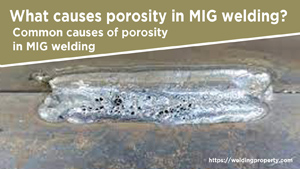
Porosity in Welds
Porosity is caused by inadequate shielding gas coverage or contaminated material. Always use 100% argon, and clean the aluminum thoroughly before welding.
Lack of Penetration
If your welds aren’t penetrating, increase the voltage or wire feed speed. Additionally, make sure your travel speed isn’t too fast.
When Is Welding Aluminum Without a Spool Gun Practical?
While it’s possible to MIG weld aluminum without a spool gun, it’s not always the best choice. This method is suitable for small projects or occasional repairs where investing in a spool gun isn’t justified. However, for larger, more demanding projects, a spool gun or push-pull system will save time and frustration.
Comparing Spool Gun vs No Spool Gun
| Aspect | With Spool Gun | Without Spool Gun |
|---|---|---|
| Ease of Use | Easy | Requires Precision |
| Wire Feeding | Smooth and Reliable | Prone to Jamming |
| Cost | Higher | Lower |
| Suitable for Large Projects | Yes | Limited |
| Learning Curve | Moderate | Steeper |
Tools and Accessories to Consider
To make welding aluminum without a spool gun more manageable, invest in the following tools:
- Teflon or Plastic Liner: Reduces wire feeding issues.
- U-Groove Drive Rollers: Designed for soft wires like aluminum.
- Dedicated Aluminum Brush: Prevents contamination from other metals.
- 100% Argon Gas Cylinder: Ensures clean welds.
My Personal Experience with This Method
I won’t sugarcoat it—my first attempt at welding aluminum without a spool gun was frustrating. The wire jammed a few times, and I struggled to find the right balance between speed and heat. But with patience and practice, I started getting cleaner, more consistent welds.
What helped the most was focusing on preparation. Once I switched to a Teflon liner and adjusted the tension correctly, the process became much smoother. It’s not as straightforward as using a spool gun, but it’s a valuable skill to have.
Frequently Asked Questions
Can I weld thick aluminum without a spool gun?
Yes, but it’s more challenging. For thicker aluminum, ensure your welder has sufficient power, and use a stiffer wire like ER5356.
What gas should I use for MIG welding aluminum?
Always use 100% argon for aluminum welding. It provides the best shielding and prevents contamination.
How do I prevent wire feeding issues?
Use a Teflon liner, set the tension correctly, and keep the torch cable as straight as possible.
Is MIG welding aluminum without a spool gun suitable for beginners?
It’s more challenging for beginners but not impossible. Start with small projects and practice on scrap metal to build your confidence.
What’s the best wire diameter for aluminum?
A wire diameter of 0.035 inches is ideal for most aluminum MIG welding applications.
Conclusion
MIG welding aluminum without a spool gun may seem daunting at first, but with the right tools, techniques, and mindset, it’s entirely achievable. It’s a skill that not only saves money but also expands your welding capabilities.
If you’re tackling small DIY projects or learning the basics, this method teaches you to pay attention to detail and refine your welding skills. So don’t be afraid to experiment and make mistakes along the way—they’re all part of the learning process.