Standing in a drafty garage with sparks bouncing off my gloves, I fought an unstable arc and a weld bead that just wouldn’t behave. The wire kept popping, spatter was everywhere, and the joint didn’t look nearly as strong as it should have.
That struggle is what pushed me to understand what is the difference between gas and gasless mig welding, because the setup you choose directly affects how your weld turns out.
After years of real shop work and job-site welding, I’ve seen how the wrong choice leads to porosity, weak penetration, and wasted time grinding and rewelding. This topic matters for safety, durability, and cost—especially when you’re working outdoors or trying to get clean results on thinner steel. Most of these lessons came from trial and error, not from reading a manual.
If you’re tired of unpredictable welds and unnecessary frustration, you’re in the right place. Here’s the method that actually works, and I’ll walk you through it step by step.
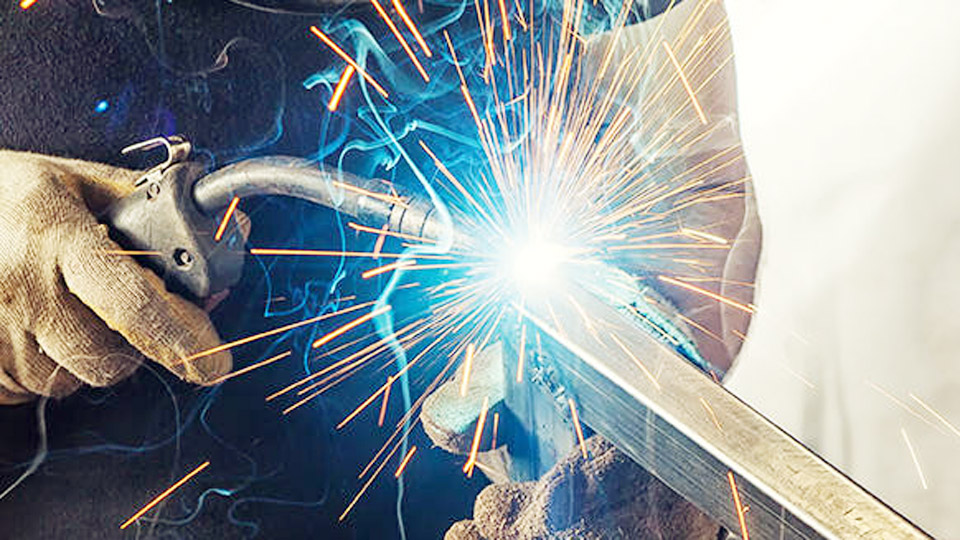
Image by minoo-cn
What Makes Gas MIG Welding the Go-To for Clean Indoor Work?
Gas MIG welding is what most folks think of when they hear “MIG”—it’s the standard process using a continuous wire electrode fed through a gun, with an inert or semi-inert gas shielding the arc and weld pool. Think of it as creating a bubble around your weld to keep out oxygen, nitrogen, and hydrogen that cause defects like porosity or cracking.
How does it work? You hook up a cylinder of shielding gas—usually argon, CO2, or a mix like 75/25 argon/CO2—to your MIG welder. As you pull the trigger, the wire advances, an arc forms between the wire and the workpiece, melting both into a pool.
The gas flows out of the nozzle, blanketing the area and preventing oxidation. It’s smooth and efficient, especially on thinner metals where control is key.
I reach for gas MIG when I’m working on automotive panels or stainless steel fabrication indoors. Why? It gives superior arc stability and minimal spatter, leading to cleaner welds with better penetration and less distortion.
For instance, on a recent job repairing exhaust systems, the gas shield let me dial in precise heat without warping the thin tubing. But it’s not ideal everywhere—outdoors, wind can blow the gas away, ruining your protection.
Practical tips from the shop floor: Always check your gas flow rate—aim for 20-30 cubic feet per hour (CFH) on most setups like a Lincoln Electric or Miller machine common in US shops. Too low, and you’ll get porous welds; too high, and you’re wasting gas while risking turbulence. Prep your joints meticulously—clean off rust or paint with a grinder or wire brush to avoid inclusions.
For amperage, start low: On 1/8-inch mild steel, I set my machine to 120-140 amps with 0.030-inch wire for flat positions. If you’re seeing excessive spatter, bump up the voltage a notch or two.
One common mistake? Forgetting to purge the line after changing cylinders—air pockets lead to starting pops and weak initial beads. Fix it by holding the trigger for a few seconds without striking an arc.
Why Choose Gasless MIG for Quick Outdoor Repairs?
Gasless MIG, or flux-cored arc welding (FCAW) without external gas, flips the script by using a tubular wire filled with flux that generates its own shielding gas when heated. No tanks to lug around, which makes it a favorite for fieldwork.
Here’s the mechanics: The flux inside the wire melts during the arc, releasing gases like CO2 and vapors that shield the weld pool. Slag forms on top as a protective layer, which you chip off later. It’s self-shielding, so no external gas is needed, but that means more smoke and spatter compared to gas MIG.
I pull out gasless setups for outdoor jobs, like fixing fences or heavy equipment on-site, where wind or portability is an issue. It’s forgiving on dirty or rusty materials, penetrating deeper on thicker stock without as much prep.
Last summer, I was out on a construction site welding rebar reinforcements—gasless let me work through light rust without grinding everything spotless, saving hours.
When to use it? Opt for gasless on carbon steels over 1/8-inch thick, especially in windy conditions or when you need deep penetration for structural work. It’s cost-effective for hobbyists since you skip gas costs, but pros know it shines in repair scenarios where setup time matters.
Shop tips: Use DC electrode positive (DCEP) polarity for better penetration—most US machines like the Hobart Handler series default to this. Wire diameter matters; go with 0.035-inch for general work on 1/4-inch plate, running 150-200 amps.
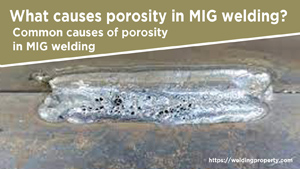
Common pitfall: Overheating the wire feed—keep your duty cycle in mind to avoid burnout. If your weld looks like Swiss cheese (porosity), slow your travel speed or check for drafts pulling away the self-generated gas.
For fixes, practice on scrap: A bad gasless weld often needs grinding out and redoing, but adding a slight weave motion helps fill gaps. Always wear a respirator—the fumes are heavier here.
How Do Setup and Equipment Needs Differ Between the Two?
Setting up for gas versus gasless MIG isn’t worlds apart, but the details can trip you up if you’re switching between them.
For gas MIG, you’ll need a welder with gas capabilities, a regulator, hose, and cylinder. Common in US shops are models like the Millermatic 211, which handle both but require polarity swaps—electrode positive for gas. Add in a gas solenoid valve to control flow automatically.
Gasless skips the gas gear, but you must use flux-cored wire like E71T-11, which is pricier per pound than solid wire. Polarity often switches to electrode negative for some wires, so check your manual. Machines like the Lincoln PowerMIG are versatile for both.
In practice, I’ve found gas setups cleaner for shop use, but gasless wins for mobility—no dragging tanks through mud. A tip: Label your guns or use dedicated ones to avoid mix-ups; solid wire in a gasless setup won’t shield properly, leading to brittle welds.
Which Process Gives Better Weld Quality on Different Materials?
Weld quality hinges on material type, thickness, and environment—gas MIG often edges out for aesthetics, while gasless excels in robustness.
On mild steel, gas MIG produces smooth, spatter-free beads with excellent fusion, ideal for auto body work where appearance counts. I’ve used it on 16-gauge sheet with 0.023-inch wire at 90-110 amps, getting minimal distortion.
Gasless, with its deeper penetration, handles thicker, dirtier steel better—think 3/16-inch plate at 160 amps for farm implements. But expect more cleanup from slag and spatter.
For aluminum or stainless, gas MIG is non-negotiable; flux-cored options are limited and often produce inferior results due to alloy reactions. I once tried gasless on stainless—ended up with cracks from improper shielding. Stick to gas with pure argon for aluminum.
Practical advice: Test on scraps matching your job. For thin materials, gas prevents burn-through; for heavy, gasless reduces preheat needs. Fix poor quality by adjusting voltage—higher for gas to flatten the bead, lower for gasless to control spatter.
What Are the Cost Implications for Hobbyists Versus Pros?
Costs add up differently depending on your scale.
Gas MIG’s upfront hit is the cylinder and refills—expect $50-100 per tank, lasting 10-20 hours. Wire is cheaper, around $0.50/lb for ER70S-6. For hobbyists, this might sting if you’re not welding often, but pros amortize it over jobs.
Gasless skips gas expenses but flux wire runs $1-2/lb. No tank means lower maintenance, great for occasional DIY like trailer repairs.
In my experience, gas pays off for volume work—cleaner welds mean less grinding media and time. A pro tip: Buy wire in bulk and monitor gas usage; leaks can double costs unnoticed.
For a quick comparison:
| Aspect | Gas MIG | Gasless MIG |
|---|---|---|
| Initial Equipment Cost | Higher (gas gear) | Lower (no tank) |
| Consumables Cost | Lower wire, gas adds up | Higher wire, no gas |
| Maintenance | Regulator checks | Simpler, but more spatter cleanup |
| Long-Term Savings | For clean, indoor work | For portable, dirty jobs |
Pros and Cons: Weighing Your Options for Real Jobs
Every welder has preferences, but let’s lay out the straight facts.
Gas MIG pros: Cleaner welds, less smoke, versatile for thin metals and alloys. Cons: Wind-sensitive, gas costs, less portable.
Gasless pros: Outdoor-friendly, deeper penetration on thick/dirty stock, no gas hassle. Cons: More spatter/slag, heavier fumes, limited to ferrous metals mostly.
I’ve switched mid-job when wind picked up—gasless saved the day on a gate repair, but the extra chipping time reminded me why I prefer gas in the shop.
Step-by-Step Guide to Switching from Gas to Gasless on Your Machine
If you’re like me and use one machine for both, here’s how to swap seamlessly.
- Power down and unplug your welder.
- Change polarity: For gasless, set to DCEN if required—consult your manual for models like the Eastwood MIG.
- Swap wire: Remove solid wire spool, install flux-cored. Adjust tension for smooth feed.
- Adjust settings: Gasless often needs higher amps; start 20% above gas settings.
- Remove gas nozzle if needed—some guns have diffusers for flux.
- Test arc on scrap: Fine-tune voltage for stable bead.
- Weld away, then clean slag.
Common mistake: Forgetting polarity flip—leads to erratic arc. Fix by double-checking stickers on your machine.
Safety First: Handling Hazards in Each Process
Safety isn’t optional—I’ve seen burns and eye flashes from complacency.
For both, wear ANSI-approved helmets, gloves, and flame-resistant clothing. Gas MIG adds cylinder handling risks—secure them upright to avoid tip-overs.
Gasless produces more fumes, so ventilation is crucial; use extractors or work outside. I’ve invested in a good respirator for flux jobs.
Amperage safety: Stay within machine limits to prevent overheating. For electrodes, match diameter to amps—0.030-inch at 100-150 amps avoids overloads.
Tip: Always inspect joints post-weld; a porous gasless weld can fail under load.
Common Mistakes and How to Avoid Them in MIG Welding
Beginners often crank amps too high, causing burn-through. Start conservative and creep up.
Pros forget material prep—rust leads to weak fusion. Always grind or wire brush.
In gas MIG, low flow causes porosity; in gasless, fast travel leaves cold laps. Slow down and watch the puddle.
Early on, I gas-welded outdoors—wind blew gas away, resulting in a sieve-like bead. Ground it out, switched to gasless, and learned my lesson.
Fine-Tuning Amperage and Wire for Optimal Results
Amperage is your heat control—too low, poor fusion; too high, distortion.
For gas MIG on 1/4-inch steel: 140-180 amps with 0.035-inch wire.
Gasless: 160-220 amps same setup, due to flux.
Joint prep: Bevel thick edges for better penetration. Filler compatibility: ER70S for mild steel in gas; E71T for gasless.
Shop note: Use a chart from your machine’s door—Lincoln’s are spot-on for US standards.
When to Blend Techniques or Upgrade Your Setup
Sometimes, hybrid approaches work—like using gas with flux wire for extra protection.
If you’re outgrowing basic machines, consider multi-process units like the Miller Multimatic for seamless switches.
In fabrication, I blend for efficiency—gas for precision, gasless for heavy.
Wrapping Up
Choosing between gas and gasless MIG isn’t about one being better; it’s about matching the tool to the task, whether that’s a pristine shop weld or a rugged field repair. You’ve now got the insights to assess your setup, tweak settings, and avoid those costly do-overs that eat into your time and materials.
Armed with this, you’ll weld with more confidence, producing stronger, safer joints that hold up in real-world use. Always keep a log of your successful settings for different materials—it’s like having a personal cheat sheet that turns good welds into great ones every time.
FAQs
Can I use the same wire for both gas and gasless MIG?
No, stick to solid wire like ER70S-6 for gas MIG and flux-cored like E71T-GS for gasless. Mixing them leads to poor shielding and defective welds. If you’re short on flux wire, don’t improvise—grab the right one to avoid rework.
Is gasless MIG stronger than gas MIG?
It depends on the application. Gasless often gives deeper penetration on thicker steels, making it stronger for structural jobs, but gas MIG provides cleaner, more ductile welds on thinner or cleaner materials. Test bend samples if strength is critical for your project.
What amperage should I use for welding thin sheet metal?
For gas MIG on 18-gauge mild steel, start at 80-100 amps with 0.023-inch wire and low voltage to prevent burn-through. Gasless isn’t ideal here—stick to gas for better control and less distortion.
How do I reduce spatter in gasless MIG?
Tighten wire tension slightly, lower voltage by 1-2 volts, and use anti-spatter spray on your nozzle. Also, maintain a 1/2-inch stick-out and travel at a steady 10-15 inches per minute—rushing causes more mess.
Why does my gas MIG weld have porosity outdoors?
Wind disperses the shielding gas, letting air contaminate the pool. Switch to gasless for breezy conditions, or use a wind shield like a tarp. Indoors, check for drafts from fans and ensure your flow is at least 25 CFH.