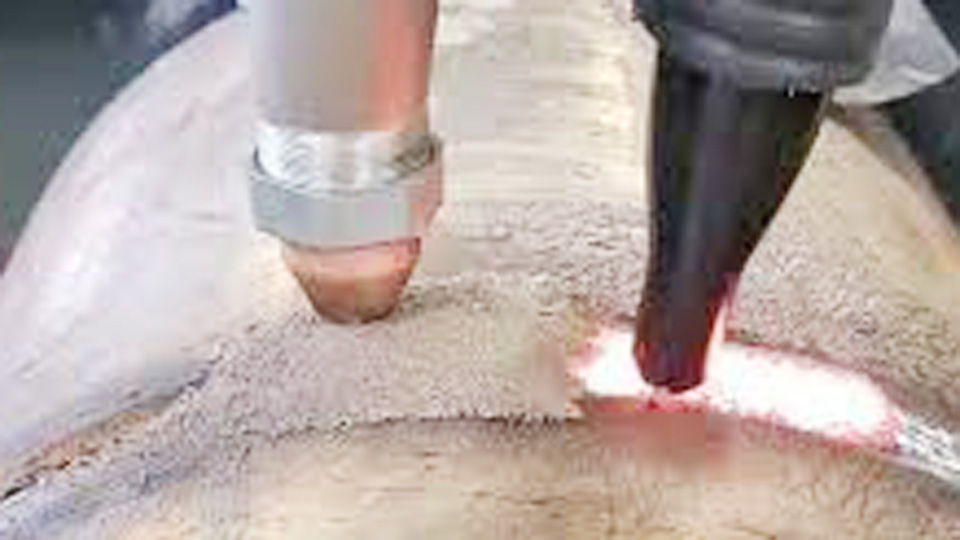
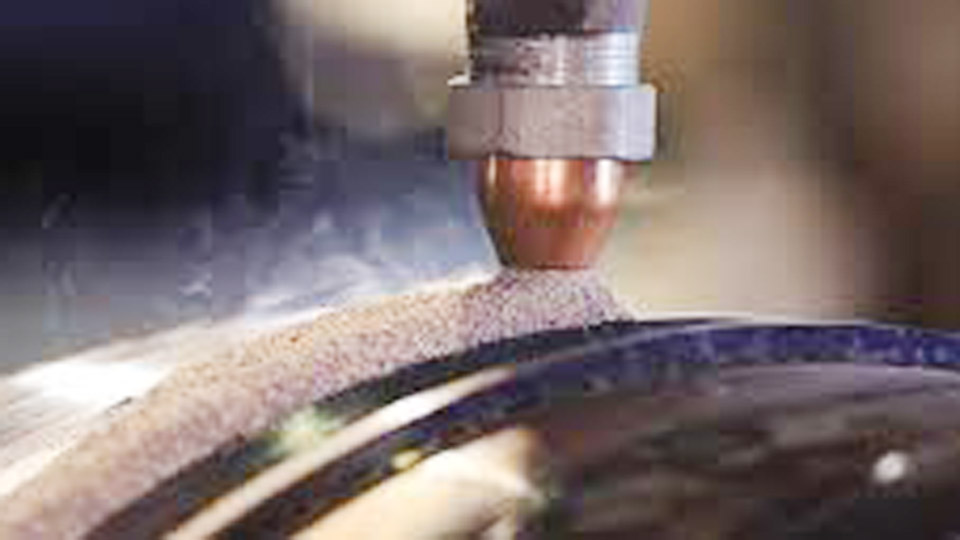
When we talk about welding, many people picture bright sparks and an open arc. But submerged arc welding, often abbreviated as SAW, is a bit different. It’s a process where the arc zone is hidden under a layer of granular flux. This not only makes the process visually unique but also brings a list of advantages and challenges.

Image by thepipingmart
In SAW, an electric arc is created between the base metal and a continuously fed electrode. This arc generates intense heat, melting the metals together. The flux layer shields the weld, protects it from contaminants, and helps with stability.
But like every welding technique, submerged arc welding has its upsides and downsides. Let’s dive into the details to understand whether SAW could be right for you.
How Does Submerged Arc Welding Work?
If you’re wondering how this process works, here’s a quick breakdown. An electrode wire continuously feeds through a welding head. At the same time, a layer of powdered flux is laid down, which covers the weld area.
The arc melts the electrode and the workpiece, while the flux shields it from the air. Once everything cools, the flux can be removed to reveal a neat, clean weld.
This protective flux layer is the main difference between submerged arc welding and other types. It’s highly effective, but it does come with its own requirements. Since the arc is submerged, there’s no visible spark, which makes the process safer in certain conditions but less versatile in others.
Advantages of Submerged Arc Welding
Submerged arc welding is popular for many good reasons, particularly in heavy industries. Here are some of the main benefits that stand out.
High Welding Speed
One of the biggest draws to SAW is its speed. Since it’s an automated process, submerged arc welding can be much faster than manual welding techniques. This high deposition rate means more work done in less time. For industries where time is money, like construction or shipbuilding, this speed is a major advantage.
Deep Penetration and Strong Welds
SAW provides excellent weld penetration, which is essential for thick metals. This makes it suitable for applications that demand a strong, durable weld. Whether it’s joining thick plates or making structural beams, the strength of a SAW weld is a huge plus.
Minimal Fumes and Arc Flash
Because the arc is covered, there’s a lot less exposure to fumes and light. This is a big advantage when working indoors or in areas where health and safety is a concern. It also reduces the risk of eye damage for workers nearby since there’s no direct arc flash.
Smooth, High-Quality Welds
The welds produced by SAW are generally smooth and consistent. This can reduce the need for additional grinding or polishing, saving both time and effort. The flux layer ensures there’s minimal contamination, resulting in a high-quality finish every time.
Reduced Weld Spatter
In submerged arc welding, weld spatter is significantly reduced. Spatter is the unwanted bits of molten metal that fly off during welding, and it often requires cleanup afterward. With SAW, the arc’s protection keeps spatter to a minimum, leading to a cleaner workspace and reducing cleanup time.
Disadvantages of Submerged Arc Welding
While submerged arc welding has many advantages, it’s not perfect for every scenario. Here are some of the limitations that can come with using this welding method.
Limited Positioning
Submerged arc welding is primarily a flat or horizontal process. It doesn’t work well for overhead or vertical welding due to the flux’s tendency to fall off. This positioning limitation can restrict the types of projects where SAW is practical.
Requires Flux Management
Managing and handling flux is an added task. Not only do you need to apply it correctly, but you also have to recycle or dispose of unused flux. This step can add complexity, especially on large projects, as the flux needs to be kept dry and clean.
Not Suitable for Thin Metals
SAW is generally not ideal for thin materials. The high heat and deep penetration that make it great for thick metals can actually burn through thinner materials. This limits its use to certain types of projects and makes it less flexible than some other welding methods.
Higher Setup and Equipment Cost
The equipment needed for SAW is more specialized and often more expensive than that for other types of welding. This can be a barrier for smaller businesses or individual welders. The need for a flux hopper, recycling system, and specific welding heads all add to the initial cost.
Limited Visibility of the Weld Pool
Since the arc is submerged, you can’t directly see the weld pool during the process. This lack of visibility can make it harder to control in real-time, especially if adjustments need to be made. It relies heavily on automation, which isn’t always ideal for precision work.
Comparison of Advantages vs Disadvantages of Submerged Arc Welding
To make things a bit easier, here’s a quick comparison table showing the main pros and cons of SAW:
| Advantages | Disadvantages |
|---|---|
| High welding speed | Limited to flat or horizontal positions |
| Deep penetration and strong welds | Flux management needed |
| Minimal fumes and arc flash | Not ideal for thin metals |
| Smooth, high-quality welds | Higher setup and equipment cost |
| Reduced weld spatter | Limited visibility of the weld pool |
This table should give you a good overview if you’re weighing the decision to use SAW.
Applications of Submerged Arc Welding
Due to its strengths and limitations, submerged arc welding has specific applications where it shines.
Shipbuilding and Marine
SAW is ideal for building large structures like ships, where thick metal plates need strong, durable welds. Its high speed and deep penetration are perfect for marine environments, though it requires careful flux handling in these humid conditions.
Structural and Heavy Fabrication
In construction and heavy fabrication, submerged arc welding is widely used to create structural beams and other large metal components. These projects benefit from SAW’s ability to provide consistent, high-strength welds quickly.
Pipeline and Pressure Vessels
For pipelines and pressure vessels, where weld strength and quality are critical, SAW is an excellent choice. It can handle thick walls and provide smooth, uniform welds that are important for pressure resistance.
Is Submerged Arc Welding Right for You?
Choosing submerged arc welding depends largely on the type of work you’re doing. If your projects require welding thick materials in a flat or horizontal position, and speed is essential, then SAW could be perfect.
If you’re dealing with thin metals, require flexibility in welding positions, or are working on a tight budget, you might want to explore other methods.
In the end, like any welding technique, SAW comes down to matching the right process with the right project.