
A snapped bolt can turn a simple repair into a long afternoon in the garage. Everything is going fine until the head breaks off flush inside the hole, and suddenly the job comes to a stop.
That’s usually when people start searching for How to Get a Snapped Bolt Out of a Hole without damaging the threads or making the situation worse.
The frustrating part is that broken bolts rarely come out easily. Rust, heat, over-tightening, or years of corrosion can lock them in place so tightly that even experienced mechanics end up fighting with them.
I’ve seen jobs get more complicated because someone rushed in with the wrong drill bit or extractor and snapped that too.
Knowing the right removal method matters because one mistake can damage the surrounding metal and turn a quick fix into a costly repair.
I’ll walk through the practical techniques that actually work—from penetrating oil and heat tricks to extractor tools and drilling methods—so you can remove a snapped bolt safely and with less frustration.
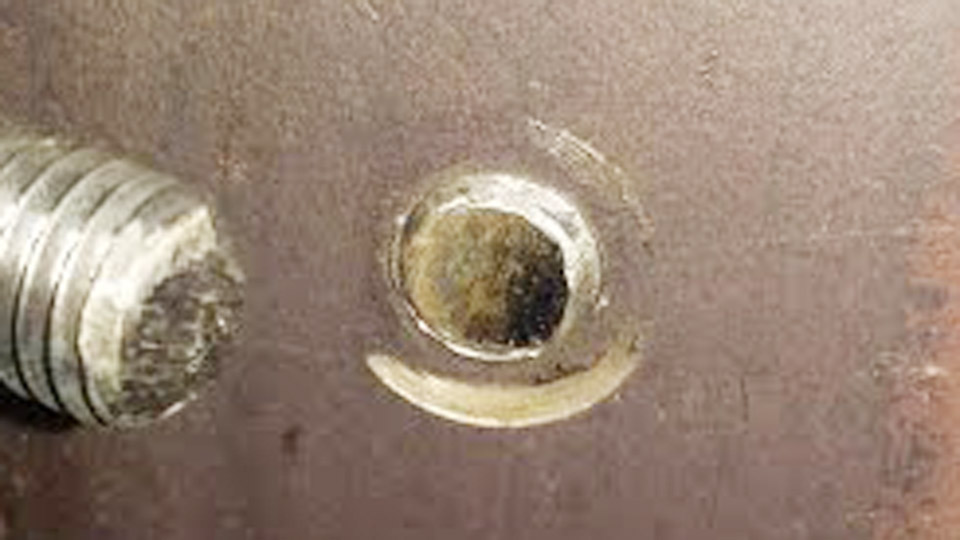
Image by eoceanic
Why Snapped Bolts Happen and Why They Matter
Bolts snap for a handful of predictable reasons: corrosion locking them in place, excessive torque, material fatigue, improper installation, or just age on old equipment. In a welding or fab shop, you’re often dealing with high-heat environments or heavy vibration that worsens the issue.
Getting it out cleanly preserves the original threads. Destroy the hole and you’re looking at drilling, tapping larger, or installing inserts—adding cost, time, and potential weakness.
Safety is huge too: a half-removed bolt in a load-bearing part can lead to failures down the line. Plus, the heat from welding methods can actually help break the rust bond while you’re extracting.
Assessing the Situation Before You Start
Walk up to the broken bolt and take a breath. Clean the area thoroughly with a wire wheel or grinder. Remove any debris, paint, or rust from the top of the stub and surrounding surface. This gives you better visibility and weld penetration if needed.
Measure the bolt diameter and note the material it’s stuck in. Is the break flush, recessed, or sticking out? Can you get a wrench or vice grips on it? Is there penetrating oil access? These details dictate your first move.
Pro tip from the shop floor: Spray penetrating oil (like PB Blaster or Kroil) around the base and let it sit—sometimes overnight on bad ones. Heat cycles from a torch can help draw it in deeper.
Method 1: Mechanical Extraction – Center Punch, Vice Grips, and Left-Hand Drilling
Start with the simplest tools when the bolt protrudes enough.
Center punch the exact middle of the stub hard. This gives your drill bit a starting point and can sometimes shock the bolt loose. Use a left-hand drill bit if you have one—the reverse rotation often unscrews the bolt while drilling.
If it sticks out a bit, vice grips or locking pliers with heat applied can work. For better grip, flatten two sides with a grinder for wrench purchase.
When to use it: Protruding bolts or mild cases in steel.
Practical tips: Go slow with drilling. Use cutting oil. If the bit grabs and spins the bolt, you might be winning. Common mistake: Off-center punching that leads to walking drill bits and ruined threads.
Method 2: Screw Extractors (Easy-Outs) – When and How to Use Them Right
Drill a straight, centered hole into the bolt stub using the size recommended for your extractor set. Insert the tapered, fluted extractor and turn counterclockwise with a tap handle or wrench.
How it works: The left-hand threads bite into the bolt and torque it out.
Why and when: Good for bolts broken below the surface where you can’t weld easily. Works decently on smaller diameters (up to about 1/2 inch) in softer materials.
Real talk from experience: Extractors snap more often than people admit, especially on hardened or deeply seized bolts. They expand the bolt against the threads as you torque, making things worse. I’ve broken several and had to drill them out too—double the headache.
Shop settings and prep: Use a sharp bit, steady hand, and plenty of lubricant. For aluminum heads, be extra gentle to avoid galling.
Common beginner mistake: Using too much force or a dull extractor. Pros start with penetrating oil and gentle tapping to loosen before full torque.
Method 3: The Welder’s Favorite – Welding a Nut (or Bolt) On Top
This is my go-to for most shop situations, especially with a MIG or flux-core welder. The heat often loosens the corrosion while the weld gives you solid purchase.
Step-by-step:
- Clean the top of the broken bolt thoroughly to bare metal.
- Select a nut that matches or is slightly larger than the bolt diameter. A washer underneath can protect surrounding surfaces and provide clearance.
- Position the nut centered over the stub. A dab of superglue can hold it temporarily.
- Weld inside the nut down to the bolt stub. Build up weld in the center first if the stub is recessed, then fill around to the nut threads. Use enough heat for good penetration into the bolt but not so much you burn through or weld to the parent material.
- Let it cool completely. The contraction helps break the seize.
- Put a wrench on the nut and work it back and forth, or use an impact if appropriate. Apply more penetrating oil during the process.
Machine settings for common US welders:
- MIG (short circuit or spray): Higher voltage and wire speed for good penetration. 0.030″ or 0.035″ wire, around 18-22V depending on thickness.
- Flux core: Similar, but it handles dirtier surfaces better. Keep travel speed moderate.
- Stick (SMAW): 7018 or similar rods, 1/8″ diameter, 90-130 amps for most jobs. Short arcs.
For aluminum castings, TIG is cleaner and gives better control to avoid melting the base. In steel, MIG is fastest.
Variations: For deep or large bolts, build up a tall nub of weld first, then weld the nut. Or weld a smaller bolt directly onto the stub for leverage. Copper tubing or pipe can sleeve and protect threads in some creative setups.
Pros and cons:
Pros: Heat helps loosen, strong grip, works on recessed bolts, relatively fast.
Cons: Risk of welding to parent material if sloppy, heat distortion on thin parts, not ideal for very heat-sensitive alloys without care.
Common mistakes: Rushing the weld without cleaning, not letting it cool, or poor centering. Pros build gradually and use washers for protection.
Method 4: Drilling It Out Completely – Last Resort but Reliable
When others fail, drill the bolt out.
Center punch, start small, step up drill sizes until you’re just shy of the minor diameter of the threads. Then use a pick, tap extractor, or vacuum to remove remnants. Chase the threads with the original tap if needed.
Tips: Left-hand bits again. For cast iron or aluminum, go slow with lubricant to avoid work-hardening. Helicoil or Time-Sert inserts are your friend if threads get damaged.
When to use: Hardened bolts, extractors broken inside, or when you need the hole perfect.
Material notes: In aluminum, corrosion between steel bolt and aluminum makes welding less ideal sometimes—drilling or chemical aids help. In high-carbon steel, annealing with heat can soften it.
Advanced and Hybrid Techniques
- Induction heating or torch: Heat the surrounding material to expand it away from the bolt, then apply torque or weld.
- Pipe and weld combo: For larger holes, insert copper pipe to protect threads, steel inside, weld to bolt.
- EDM or specialty shops: For critical, expensive parts where you can’t risk damage.
Compare methods quickly:
| Method | Best For | Skill Level | Tools Needed | Success Rate (Shop Exp.) | Risk to Threads |
|---|---|---|---|---|---|
| Vice Grips/Impact | Protruding bolts | Beginner | Basic hand tools | Medium-High | Low |
| Screw Extractor | Recessed, smaller | Intermediate | Drill + extractors | Medium (breaks often) | Medium |
| Weld Nut | Most shop cases | Intermediate | Welder + grinder | High | Low-Medium |
| Drill Out | Failed others | Advanced | Good drill setup | Very High | Higher if sloppy |
Safety and Shop Best Practices
Always wear proper PPE: welding helmet, gloves, eye protection, and fire-resistant clothing. Work in a well-ventilated area—fumes from rust and coatings are nasty.
Support the workpiece securely. On engines or vehicles, disconnect batteries to avoid electrical issues with welders.
Have fire watch ready. Keep a CO2 extinguisher handy, not just water.
For students and hobbyists: Practice on scrap first. Learn your welder’s sweet spot for different thicknesses.
Material-Specific Advice
Steel frames and machinery: Welding nut works great. Higher amps for penetration.
Aluminum heads/blocks: TIG preferred. Lower heat input, let cool slowly to avoid cracking. Penetrating oil and vibration help.
Cast iron: Preheat if possible, use nickel rods if welding directly, cool slowly.
Stainless: Match filler, watch for sensitization.
Joint prep is everything—clean, clean, clean. Contaminants cause weak welds that snap off during extraction.
Common Pitfalls I’ve Seen (and Fixed)
Beginners often drill off-center, ruining threads. Pros mark centers carefully and use pilot holes.
Rushing cooldown on welded nuts leads to breaking the weld. Patience pays.
Ignoring rust: Always try to break the corrosion bond first.
Using wrong rod/wire: For extraction, standard mild steel wire or 7018 works fine since it’s temporary.
Putting It All Together on a Real Job
Imagine an exhaust manifold bolt snapped flush in a cast iron head. I clean it, hit with penetrant, weld a washer and nut with MIG at around 19V, let cool fully while tapping the wrench occasionally.
Usually walks right out. If not, I drill progressively. The whole process, when it flows, takes under 30 minutes versus hours of fighting.
How to get a snapped bolt out of a hole comes down to patience, the right sequence, and knowing when to switch methods. Start simple, escalate smartly, and respect the material.
After years of repairs and fab work, the biggest lesson is preparation beats brute force every time. Clean surfaces, right tools for the job, and a cool head get you out of trouble faster than anything.
One last pro tip a veteran welder once gave me on a tough job: “Don’t fight the bolt—make it want to come out.” Combine heat, oil, mechanical advantage, and time. The bolt that seemed impossible at 9 AM often yields by lunch if you work with the physics instead of against it.
FAQ
What if the weld nut breaks off during removal?
It happens if penetration was poor or the bolt is extremely seized. Grind or chisel the failed weld off cleanly, re-clean, and try again with more build-up in the center. Sometimes a second heat cycle helps.
Can I use a flux-core 110V welder for this?
Absolutely. It works fine for most home and small shop jobs. Crank the settings higher for good fusion into the bolt and go slow. Practice on scrap to dial it in.
How do I remove a broken easy-out that’s stuck in the bolt?
Tough one. Drill around it carefully with a larger bit or use EDM if available. Sometimes TIG weld a nut over the broken extractor too. Prevention is better—don’t over-torque them.
Is it better to weld or drill on aluminum parts?
Depends. Welding works but requires low heat and care to avoid melting base material. Many pros prefer drilling with left-hand bits and inserts for aluminum to minimize heat distortion.
What size nut should I use for welding?
Match the bolt size or one size up for easier wrenching and more weld area. Washers help with alignment and protection.


