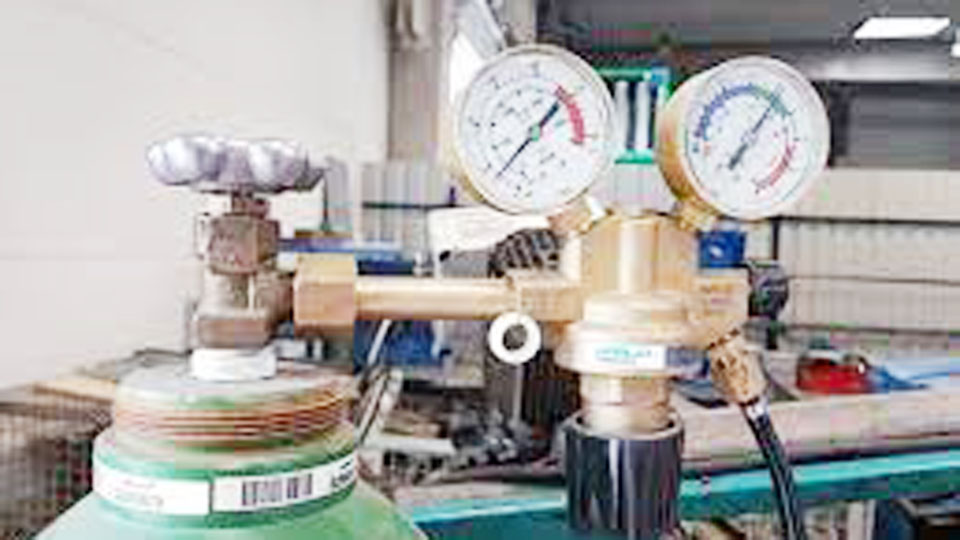
Hooking up a propane tank for the first time can get confusing fast, especially when you notice different valve styles and fittings that don’t seem to match your regulator or hose. One small connection issue can lead to gas leaks, poor flow, or equipment that simply won’t run properly.
That’s why understanding What Is a POL Valve on a Propane Tank is important for anyone working with propane-powered tools, heaters, or welding setups.
In practical shop and field use, POL valves have been around for years and are still common on many older propane tanks and gas systems.
They’re designed to create a secure connection, but if you don’t know how they work—or how they differ from newer connector types—it’s easy to make mistakes during setup.
Knowing the basics can save time, improve safety, and help you avoid compatibility problems with regulators and hoses. I’ll break down what a POL valve actually is, how it works, where you’ll commonly find it, and the key things you should know before connecting any propane equipment.
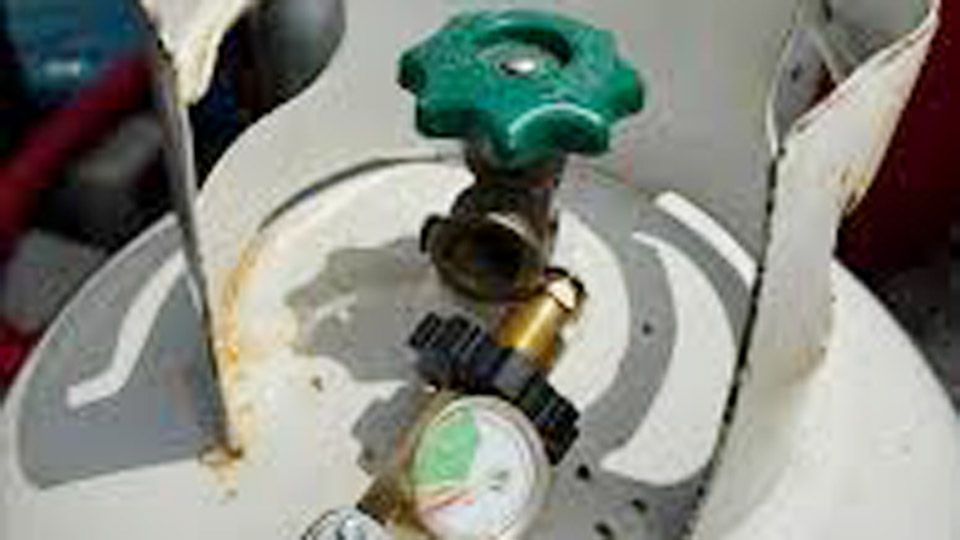
Image by Hutto, Tx Neighbors
What Exactly Is a POL Valve?
A POL valve, short for Prest-O-Lite, is the traditional connection fitting found on many propane cylinders, especially larger ones used in industrial and welding settings. It features internal left-hand threads (reverse threads) and a male fitting on the tank side that mates with a corresponding female nut on your regulator or hose assembly.
In the shop, you’ll see it most often on 20 lb, 30 lb, 100 lb, and even bigger horizontal or vertical cylinders. The valve controls the flow of liquid propane that turns to vapor as it exits.
Unlike newer quick-connect styles, a POL requires a wrench to tighten or loosen the connection, and it doesn’t automatically stop gas flow if nothing is attached unless you install the protective plug.
I remember my first real shop job: the old-timer handed me a crescent wrench and said, “Lefty loosey on propane, kid—don’t fight it.” That reverse thread has caught out more beginners than rusty ground clamps.
How a POL Valve Works in a Welding Setup
Propane leaves the tank as liquid under pressure (typically 100-200 psi depending on temperature). The POL valve seats against a soft or hard seal in the mating fitting. When you tighten the nut (left-hand), it creates a metal-to-metal or metal-to-seal contact that holds the pressure.
Your regulator then drops that high pressure down to the 5-15 psi or so that your torch needs for stable flame. On a cutting or heating rig, you’ll often run a two-stage or adjustable regulator right off the POL.
Key point for welders: POL valves on larger tanks usually lack the integrated Overfill Prevention Device (OPD) found on modern barbecue-style cylinders. That’s one reason many fabricators prefer dedicated welding-grade bottles or carefully managed larger cylinders.
Why POL Valves Still Matter in the Welding World
Newer ACME or Type 1 valves dominate home grills, but POL connections remain common in fabrication shops for a few solid reasons:
- Durability on high-use cylinders — Larger 100 lb+ tanks often keep the older robust POL design.
- Compatibility with classic torch kits — Many oxy-propane or straight propane heating rigs still ship with POL pigtails.
- Availability in industrial supply — Your local gas supplier probably stocks POL-equipped cylinders for contractors.
In practice, this means you can run a big rosebud for hours straightening truck frames or preheating heavy structural steel without constantly swapping small tanks.
When I use POL propane versus other options:
I reach for a POL-equipped 100 lb cylinder when I know I’ll be heating thick material for an extended period. For quick jobs or field repairs, I might grab a smaller cylinder with an adapter.
Safety First: POL-Specific Risks and Best Practices
Propane is heavier than air. A leaking POL connection can pool gas in your shop or under a vehicle. Here’s what I drill into every apprentice:
- Always use the brass plug when the tank isn’t connected. POL valves will freely release gas if the valve wheel is turned with nothing attached.
- Check the seal every time. A worn or missing O-ring is a common leak source.
- Store cylinders upright and chained. Never lay a POL tank on its side while in use—liquid propane can flood your regulator.
- Keep a fire extinguisher rated for gas fires nearby and never use a POL setup indoors without excellent ventilation.
I once watched a guy crack open a POL valve with his bare hand on a warm day. The pressure surprised him, the wrench slipped, and we spent the next hour airing out the shop. Don’t be that guy.
Connecting Your Torch or Regulator to a POL Valve – Step by Step
- Inspect everything — Look for damage on the valve face, threads, and your pigtail.
- Remove the plug — Use a wrench if it’s tight. Store it safely.
- Hand start the fitting — Remember: left-hand threads. Turn counterclockwise to tighten.
- Wrench it snug — Don’t gorilla it. A good firm pull is enough. Over-tightening can damage the soft seat.
- Open the tank valve slowly — Listen and sniff for leaks. Use soapy water on connections if you suspect anything.
- Set your regulator — Start low and dial in pressure for your tip size.
- Light the torch properly — Use a striker, never a lighter near the tank.
When breaking down, close the tank valve first, bleed the hose, then disconnect.
Common POL Valve Mistakes I See in Shops
- Ignoring reverse threads and cross-threading — ruins fittings fast.
- Using Teflon tape on POL connections — not needed and can cause leaks. These are designed for metal-to-metal seal.
- Leaving tanks in direct sun — pressure spikes and can push liquid through the regulator.
- Forgetting the plug during transport — illegal in many places and genuinely dangerous.
- Using the wrong regulator — high-pressure propane needs the correct CGA-rated equipment.
POL vs. Newer Propane Connections for Welders
| Feature | POL Valve | ACME / Type 1 (OPD) | Best For Welding? |
|---|---|---|---|
| Thread Direction | Left-hand (reverse) | Right-hand | POL for legacy gear |
| Tightening Method | Wrench required | Hand tight often enough | POL more secure on big tanks |
| Safety Shutoff | None built-in | Excess flow + OPD | Newer safer for beginners |
| Common Tank Size | Larger industrial | BBQ & small cylinders | POL for heavy heating |
| Leak Risk if Open | High without plug | Lower | Always cap POL |
| Availability | Still common in shops | Everywhere | Depends on your rig |
I keep both types in the shop. Adapters exist, but I prefer dedicated hoses to avoid extra leak points.
Practical Tips from the Weld Booth
Temperature matters. On cold mornings in the shop, propane pressure drops. Give the tank time to warm or use a tank blanket if you’re running heavy tips.
Regulator maintenance. POL setups see a lot of vibration on job sites. Check your regulator diaphragm and gauges regularly.
Hose management. Keep your propane hose away from slag and hot metal. A burned hose feeding a POL tank is a nightmare.
Fuel efficiency. For preheating before stick or MIG welding, a neutral or slightly carburizing flame wastes less gas than a roaring oxidizing flame.
Backup plan. Carry a spare POL pigtail and a few extra plugs. They’re cheap insurance.
When doing repair work on farm equipment or heavy machinery, I often use propane to preheat thick sections to around 300-400°F before welding. The POL bottle gives me consistent heat without frequent swaps.
Joint Prep and Material Considerations When Using Propane Heating
Clean metal is non-negotiable. Remove rust, paint, and oil before preheating. A dirty surface plus propane soot can lead to porosity in your final weld.
For mild steel, I aim for even preheat across the joint. Too much localized heat from a small tip on thick material creates distortion. Scale up to a larger rosebud and POL bottle for anything over ½ inch.
Aluminum needs different handling—propane can work but oxy-acetylene or TIG is usually cleaner. If you’re brazing with propane, flux properly and watch your temperatures.
Step-by-Step: Setting Up a Full Propane Preheating Station
- Secure the cylinder upright and chain it.
- Attach POL pigtail to tank.
- Connect regulator to pigtail.
- Attach torch hose.
- Install flashback arrestors (mandatory in my shop).
- Test for leaks.
- Light and adjust flame.
- Monitor tank pressure as you work.
Maintaining Your POL-Equipped Propane System
At the end of the day, close the tank valve, bleed lines, and reinstall the plug. Inspect hoses for cracks monthly. Have your regulator checked annually by a qualified tech.
In high-production shops, we rotate bottles so one is always full and ready. Nothing kills momentum like running out of gas mid-preheat on a big weldment.
Real-World Example
Last month we straightened a bent loader bucket. Two 100 lb POL bottles, big rosebuds, and about four hours of controlled heating let us pull it back into spec before welding the cracks. Without reliable propane setup, that job would have taken days or required expensive hydraulic equipment.
Reflection on Getting It Right in the Shop
Understanding your POL valve turns it from a mysterious brass fitting into a dependable tool that supports everything from quick field repairs to serious structural fabrication.
You now know how it threads, why reverse direction matters, the safety quirks compared to modern valves, and how to integrate it cleanly into your welding workflow.
The biggest pro-level tip I can give you: Treat every POL connection like it could leak until you prove otherwise. Slow, deliberate setup and consistent leak checks separate the guys who get work done safely from the ones who cause incidents.
FAQs
Can I use a POL valve propane tank indoors for welding?
Only with extreme caution and excellent ventilation. I prefer to keep tanks outside and run hoses in when possible. Propane accumulation is no joke in a confined shop.
Do I need a special regulator for POL propane in welding?
Yes. Match the regulator to your application—high-pressure adjustable for torches, with the correct CGA inlet for POL. Don’t mix acetylene and propane regulators carelessly.
Why does my POL connection keep leaking?
Common culprits: damaged washer/seal, cross-threading from forcing it righty-tighty, or debris on the sealing surface. Clean thoroughly and replace seals as needed.
Is it safe to weld on an empty propane tank?
Only after proper purging. Remove the valve, fill completely with water multiple times, or use other proven inerting methods. I’ve seen too many close calls to recommend shortcuts.
How do I convert a POL tank to work with newer quick-connect hoses?
Adapters exist, but for serious shop use I recommend dedicated POL hoses or upgrading the entire cylinder setup. Fewer connections mean fewer leak points.