Rushing a weld might save a few minutes on the clock, but it can cost you a lot more when things go wrong. I’ve seen beads laid down fast just to “get it done,” only to end up with poor penetration, spatter burns, and even near misses from ignored safety steps.
That’s why the idea behind Why Welding Safety Is More Important Than Speed isn’t just theory—it’s something every welder learns the hard way at some point.
In real workshop conditions, speed often feels like a skill badge. The faster you finish, the more productive you seem. But welding doesn’t forgive shortcuts—hot metal, UV exposure, fumes, and electrical risks all stack up when attention shifts from safety to rushing the job. One small lapse can turn a simple task into a serious injury or a failed weld that has to be redone anyway.
A safe welder is a consistent welder, and consistency is what produces strong, clean, reliable joints. In this guide, I’ll break down why slowing down actually improves quality, how safety habits directly affect weld strength, and the practical mindset that keeps both you and your work protected.
Image by siddhivinayaklaserfabrication
What Happens When You Choose Speed Over Safety
Welding looks simple on YouTube: strike an arc, drag the rod, move fast. Reality hits different. Fast travel speeds often mean shallow penetration, weak fusion, and undercut. Slow things down too much without control and you overheat the metal, causing warpage on thin stock or brittle HAZ (heat-affected zone) on thicker plates.
Safety enters the picture because the same shortcuts that ruin welds also expose you to burns, UV damage, toxic fumes, and electrical shock. A quick weld without proper PPE might save thirty seconds today and cost you your vision or lung function tomorrow. I’ve pulled guys off jobs where “I just need to tack this quick” turned into a fire or a trip to urgent care.
The best fabricators I know treat safety as non-negotiable setup, just like joint prep. It isn’t extra time—it prevents lost time.
Essential PPE: Your First Line of Defense
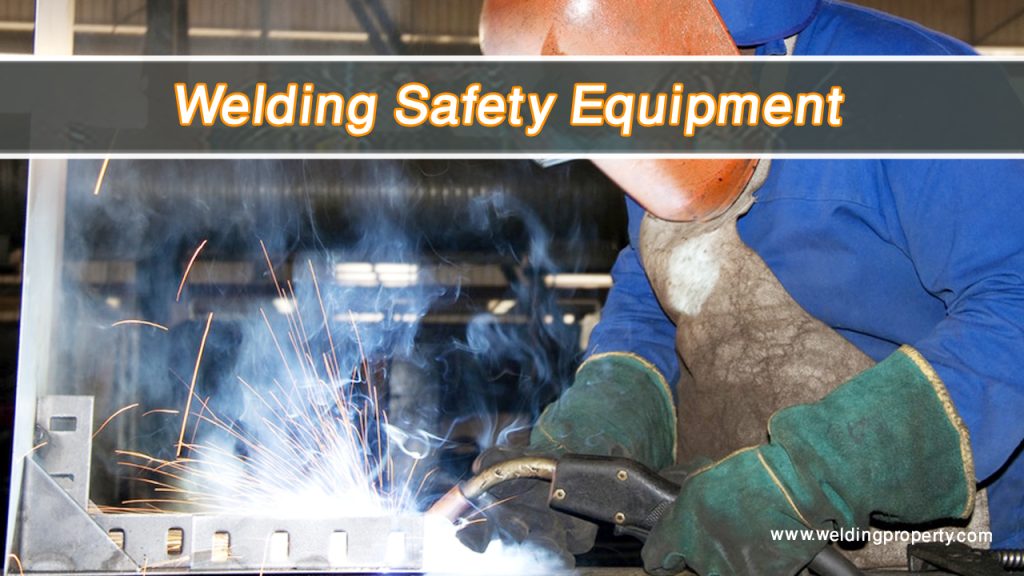
Proper personal protective equipment isn’t optional gear for hobbyists or pros—it’s your skin, eyes, and lungs on the line.
Welding helmet: Auto-darkening models with good optics make a huge difference. I run a shade 10-13 depending on process and amperage. Always wear safety glasses underneath for stray sparks and side flash.
Gloves and clothing: Leather gloves that cover your wrists, flame-resistant jacket or leathers, and boots that handle hot slag. No cotton or synthetics that melt. I’ve had students learn the hard way why cuffless pants and high-top boots matter when a bead of slag rolls down your shoe.
Respiratory protection: Fumes from SMAW or flux-cored welding contain manganese, chromium, and other nasties. Good ventilation plus a respirator isn’t overkill on indoor or long jobs.
Practical tip: Inspect your PPE every morning. Check helmet lenses for cracks, glove seams for wear, and cable insulation for damage. A two-minute check prevents a bad day.
Understanding Welding Processes and When Speed Kills Quality
SMAW (Stick Welding) – The Go-To for Repairs and Field Work
Stick welding remains king for many DIYers and pros because of portability and versatility on dirty or outdoor jobs. But it demands respect for parameters.
Common mistake: Running rods too hot or traveling too fast to “get it done.” This creates lack of fusion and slag inclusions that fail under load.
Electrode diameters and amperage ranges (approximate for 7018 on DC+; always check manufacturer specs and test on scrap):
- 3/32″ (2.4mm): 40-90 amps – great for thin material and root passes
- 1/8″ (3.2mm): 75-125 amps – most versatile for general fab
- 5/32″ (4.0mm): 110-180 amps – thicker plate, heavier builds
I start in the lower half of the range for better control, then adjust. On vertical-up, drop 10-15% from flat position settings. Watch your puddle: too fast and the bead ropes; too slow and it sags or burns through.
Joint prep tips: Clean to bright metal. Grind bevels properly. Tack with the same rod you’ll finish with, spaced to control shrinkage.
MIG and Flux-Cored: Wire Speed and Voltage Balance
In MIG, wire feed speed and voltage control heat and deposition. Cranking wire speed for faster travel without raising voltage properly leads to cold laps and spatter.
Rule of thumb I’ve used on US machines like Millermatic or Lincoln: match voltage to wire speed so the arc crackles steadily without popping. Travel too fast and you get convex beads with poor tie-in.
Flux-cored self-shielded wires forgive dirty metal better but produce more fumes—ventilate aggressively.
Why Proper Amperage and Technique Beat Rushing Every Time
Amperage directly affects melt-off rate, penetration, and heat input. Too high for the electrode diameter and you vaporize the coating, lose shielding, and get porosity. Too low and the arc stutters, sticking the rod.
Step-by-step for dialing in stick settings:
- Select electrode based on material thickness and position.
- Set machine to recommended range.
- Strike arc on scrap, adjust until you get a smooth, stable puddle.
- Maintain 1/8″ to 3/16″ arc length—short arc for control.
- Travel at a pace that lets the puddle wash the edges cleanly.
Beginners often hold the rod too far away chasing speed, creating a wandering arc and weak weld. Pros keep a tight arc and let the rod do the work.
On repair jobs, like fixing cracked trailer hitches or farm equipment common in the US, I prioritize multiple smaller passes over one giant hot pass. Less distortion, better mechanical properties.
Common Mistakes That Cost Time, Money, and Health
- Skipping joint prep: Oil, rust, or mill scale leads to inclusions and porosity. Grind or wire wheel it.
- Wrong travel speed: Too fast = lack of penetration. Too slow = excessive heat, distortion, and burn-through on thin stuff.
- Ignoring PPE for “quick” tacks: Flash burns add up. One bad arc flash and you’re out of work for days.
- Poor machine setup: Wrong polarity on stick (most rods want DCEP) kills penetration.
- No ventilation: Long sessions without fresh air or fume extraction lead to headaches and worse long-term.
I’ve watched hobbyists in garages weld galvanized steel without respirators. Don’t do it. The zinc fumes will make you regret it fast.
Material Compatibility and Filler Metal Choices
Match your filler to the base metal. For mild steel, 7018 gives good toughness. 6010 or 6011 for root passes on pipe or dirty material.
On stainless or aluminum, wrong rod or wire means cracking or corrosion later. For hobbyists fabbing exhaust or tanks, ER70S-6 wire in MIG works well on mild steel. Always check thickness and match amperage/heat input to avoid warping thin sheets.
Practical note: Store low-hydrogen rods (7018) in a rod oven or sealed container. Moisture pickup causes hydrogen cracking—another hidden cost of rushing.
Fire Prevention and Shop Setup That Keeps You Working
Clear flammables 35 feet away or use fire blankets. Have a charged extinguisher rated for electrical and metal fires. Hot work permits matter on job sites.
Ground your work properly to avoid stray arcs. Keep cables off the floor where they’ll get run over or burned.
In home shops, concrete floors beat wood for obvious reasons. Good lighting helps you see the puddle clearly instead of guessing.
Building Consistent Technique That Prioritizes Both Safety and Quality
Practice on scrap until your muscle memory kicks in. Focus on:
- Steady travel speed
- Consistent arc length
- Proper work angle and travel angle (usually 10-15° drag for stick)
- Layering beads on thick joints
The welders who produce X-ray quality work day after day aren’t necessarily the fastest—they’re the most consistent. Speed comes naturally once technique is solid.
Real-World Examples from Fabrication and Repair
On a recent trailer repair, rushing the vertical welds led to undercut that required grinding and rewelding. Taking time for proper settings and multiple passes produced a stronger joint with no distortion.
In structural steel, code often requires specific procedures. Speed demons fail inspections and lose contracts. Safety-first shops keep their insurance costs down and crews healthy.
Key Takeaways for Safer, Stronger Welds
Safety isn’t the opposite of speed—it’s what allows sustainable speed. Respect the process: clean joints, correct settings, right PPE, proper technique. Understand your machine, electrodes, and materials. Test settings on scrap. Watch the puddle, not the clock.
You’re now better equipped because you know the “why” behind the rules. A rushed weld might look okay until it doesn’t. A safe, controlled weld holds for decades.
The best welders I know pause before every arc. They mentally check PPE, ground, ventilation, and settings. That two-second pause has saved more careers than any fancy machine ever could. Slow is smooth, smooth is fast—and safe.
FAQ
Why do my welds keep cracking even when I go faster?
Usually the opposite problem—excessive heat input or poor prep. Slow your travel slightly, use smaller diameter rods or lower amperage, and ensure clean metal. Hydrogen from moisture is a common culprit with 7018.
What’s the right amperage for 1/8″ 7018 rod?
Start around 90-110 amps on DC+ for flat position and adjust. Thinner material or out-of-position needs the lower end. Test on scrap until the puddle flows nicely without sticking or burning through.
Can I weld without a respirator if the shop has fans?
Short answer: no, especially on flux-cored or stick. Fans move air but don’t filter the particulates you breathe. Use proper ventilation and respiratory protection for anything longer than quick tacks.
How do I stop burning through thin metal?
Lower amperage, smaller electrode, faster travel (but not so fast you lose fusion), or switch to TIG for better control on thin stuff. Tack and skip weld to manage heat.
Is auto-darkening helmet worth it for hobby welding?
Absolutely. It lets you see your setup and puddle clearly without flipping, improving technique and reducing neck strain. Invest once in a quality one with good ratings.