
Winter driving can be brutal on a car’s body. You wash it, park it for a day or two, and suddenly those little brown spots start showing up around the wheel arches and under the doors.
Road salt, moisture, and trapped grime quietly eat away at the metal, and before long, a small surface issue turns into a costly repair. That’s exactly why learning how to prevent rust on a car in winter is something every car owner should take seriously.
In real garage work, I’ve seen vehicles that looked fine on the outside but had serious rust hiding underneath because they weren’t protected during the cold months. Winter conditions speed up corrosion faster than most people realize, especially when salt and water keep sitting on exposed metal for days.
Taking the right steps early can make a huge difference in how long your car body lasts. I’ll break down practical, real-world methods to protect your car through winter—so you can slow down rust, protect critical areas, and avoid expensive bodywork down the road.
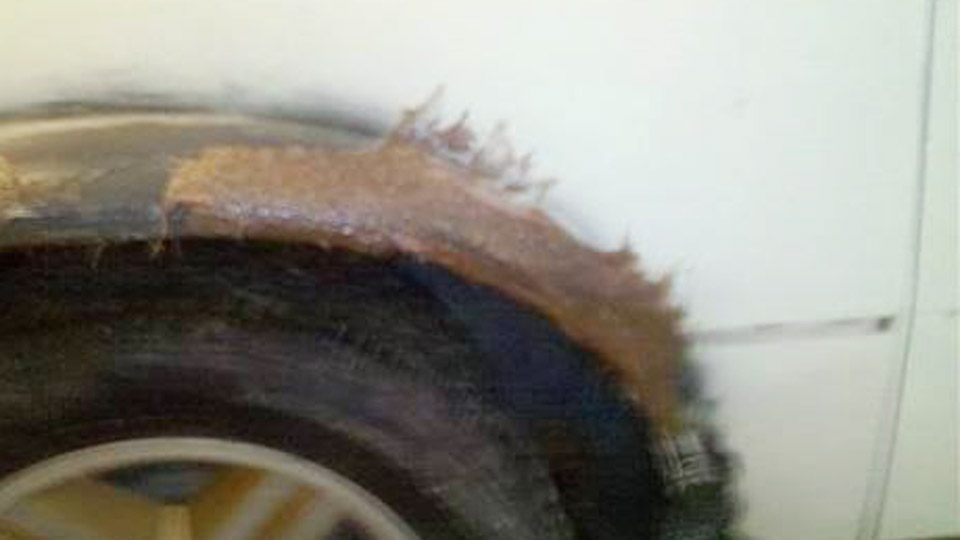
Image by thirdgen
Why Winter Rust is a Welder’s Nightmare
Rust forms when iron meets oxygen and water, creating iron oxide. In winter, road salt (sodium chloride or calcium chloride) acts as an electrolyte, speeding up the electrochemical reaction. Snow and ice trap moisture against metal, and temperature swings cause expansion and contraction that cracks paint and undercoatings.
From a welding perspective, rusted metal means contaminated joints, poor penetration, and brittle welds. I’ve seen beginners try to weld over light surface rust only to watch porosity ruin the bead.
Pros know you cut it out or grind it aggressively. Preventing rust upfront means fewer emergency repairs when it’s 20 degrees and your floor pan is dissolving.
Common mistake? Assuming factory undercoating or a quick wax job will last. It won’t against salted roads. You need layered protection and proactive inspection.
How to Inspect Your Car for Winter Rust Risks
Start with a thorough once-over before the first salt truck rolls through. Lift the vehicle safely on stands and check these areas:
- Wheel wells and fender liners
- Rocker panels and lower doors
- Underbody, frame rails, and suspension components
- Exhaust system and heat shields
- Battery tray and engine bay seams
Use a flashlight and borescope for hidden spots. Tap suspect areas with a hammer—solid metal rings differently than rusted-out sections. Look for bubbling paint, which signals rust underneath.
Pro tip: Do this inspection on a warm day. Cold metal hides issues. Mark problem spots with painter’s tape for later repair.
Cleaning and Surface Prep: The Foundation of Rust Prevention
You can’t protect dirty metal. Thorough cleaning removes salt, mud, and existing oxidation.
Power wash the undercarriage with hot water and a mild detergent. Follow with a degreaser on oily spots. For surface rust, use a wire wheel or flap disc on your grinder—80-120 grit to get down to bright metal without thinning panels.
In the shop, I always emphasize joint prep even for non-weld repairs. Clean to bare metal, then wipe with acetone or isopropyl alcohol. Any residue kills adhesion for primers and coatings.
Beginners often skip the edges and seams. That’s where water hides. Use a small wire brush or compressed air to blow out crevices.
Choosing the Right Rust Inhibitors and Coatings
Not all products perform the same in winter conditions. Here’s what works based on real shop use:
Undercoatings and Sealants:
- Rubberized or asphalt-based undercoatings for heavy road spray protection.
- Wax-based or oil-based sprays (like Fluid Film or Woolwax) that creep into seams and stay flexible in cold.
Primers and Paints:
- Epoxy primers for bare metal—excellent adhesion and corrosion resistance.
- Self-etching primers for aluminum or galvanized parts common in modern cars.
Apply in thin, even coats. Multiple thin layers beat one thick one that cracks.
Comparison Table: Popular Rust Prevention Products
| Product Type | Best For | Winter Performance | Durability | Application Ease | Cost |
|---|---|---|---|---|---|
| Fluid Film (oil) | Seams, cavities, underbody | Excellent (creeps) | 1-2 seasons | Spray/wipe | Low |
| Rubberized Undercoat | Wheel wells, exposed areas | Good | 2+ seasons | Aerosol/brush | Medium |
| Epoxy Primer + Paint | Repaired panels | Very Good | Long-term | Brush/spray | Medium-High |
| Ceramic Coatings | Exterior body | Good (UV + salt) | Long-term | Professional | High |
I prefer oil-based sprays for older vehicles because they penetrate and self-heal minor scratches. For welded repairs, epoxy systems give the best long-term bond.
Welding Repairs for Rusted Car Panels in Winter Conditions
When prevention fails and you need to cut out rust, proper welding technique keeps the repair from becoming a new rust source.
SMAW (Stick) for Field Repairs: Great for outdoor or dirty environments. Use 6011 or 7018 rods. 6011 cuts through light rust better; 7018 gives stronger welds but needs dry storage.
Amperage ranges (for 1/8″ rod on mild steel):
- 6011: 75-125 amps
- 7018: 90-150 amps
Electrode diameter: 1/8″ for most body panels (thinner than 18 gauge risks burn-through).
MIG Welding: Cleaner and faster for shop work. Use 0.023″ or 0.030″ wire with 75/25 gas. Short circuit transfer works well on thin auto sheet.
Joint prep is critical. Bevel edges slightly for better penetration. Back-purge if possible to prevent backside oxidation. Grind welds smooth, then prime immediately—bare weld metal rusts overnight in humid winter air.
Common Mistakes:
- Welding over rust without full removal → porosity and weak joints.
- Too much heat on thin panels → warping and distortion.
- Skipping post-weld cleaning → flux residue traps moisture.
Always let the metal cool slowly. Quenching creates stress cracks that become rust paths.
Step-by-Step Guide: Repairing and Protecting a Rusted Rocker Panel
- Mark and Cut: Use a cutoff wheel to remove rusted section, leaving clean edges.
- Fabricate Patch: Cut new steel slightly oversized. Form to match contours with a hammer and dolly.
- Fit and Tack: Clamp in place. Tack weld every few inches, checking alignment.
- Weld: Stitch weld to minimize heat. Grind flush.
- Seal: Apply weld-through primer to overlaps before final assembly if needed.
- Coat: Epoxy prime, then undercoat heavily. Finish with matching paint.
This process has saved countless floor pans and rockers in my experience. Do it right once instead of chasing it every season.
Additional Winter Protection Strategies
Rust Proofing Oils and Dripping: These are game-changers for older cars. Drill small access holes in cavities, spray liberally, and let it drain. Reapply every fall.
Garage Storage: If possible, keep the car off the ground in a dry space. A dehumidifier helps in damp shops.
Tire Wells and Wheel Protection: Install fender liners if missing. Rinse wheels weekly during winter to remove salt buildup.
Exhaust and Suspension: These areas see constant spray. Use high-temp paint on exhaust and grease fittings regularly.
For fabricators building custom parts, choose galvanized or stainless materials where possible, though cost and weldability matter.
Material Compatibility and Filler Metals
When welding repairs:
- Mild steel body panels: ER70S-6 wire or matching stick rods.
- Galvanized: Use self-shielded flux core or remove zinc first to avoid fumes.
- High-strength modern steels: Match OEM specs to avoid weakening.
Safety note: Zinc fumes from galvanized are toxic—use proper ventilation and a respirator.
Maintaining Protection Through the Season
Prevention isn’t one-and-done.
- Weekly undercarriage rinses at a car wash (pay for the underbody option).
- Touch up chips immediately with touch-up paint and clear coat.
- Reapply oil sprays mid-winter if you notice wash-off.
- Check drain holes in doors and rockers—clogged ones trap water.
I’ve seen pros who stay on top of this keep 20-year-old trucks looking solid while neglected ones fall apart by year three.
Practical Tips from the Shop Floor:
- Keep a small kit in the trunk: wire brush, touch-up paint, and rust converter for emergencies.
- Work in sections—don’t overwhelm yourself.
- Document repairs with photos for future reference.
- Test coatings on scrap metal first in cold conditions.
Real-World Insights: What Separates Beginners from Pros
Beginners spray and pray. Pros inspect, clean aggressively, layer protection, and repair surgically. They understand that a $50 can of undercoating applied correctly beats a $2,000 panel replacement later.
Temperature matters for application—most coatings need above 50°F for proper curing. Plan repairs for milder days.
Taking Control of Winter Rust on Your Vehicle
After years welding and repairing in northern winters, the pattern is clear: consistent, layered protection combined with timely repairs beats any single miracle product. Clean thoroughly, choose compatible materials and coatings, weld with proper settings and prep, and maintain through the season.
You’re now equipped with practical, shop-tested methods that address the real challenges—salt exposure, hidden moisture, repair durability, and winter conditions. The difference shows in fewer breakdowns, stronger repairs, and cars that last.
One strong pro-level tip: Always treat the inside of a repair as aggressively as the outside. Spray oil or cavity wax into every closed section after welding. Surface protection is visible, but hidden rust is what ends projects.
FAQ
How often should I wash my car in winter to prevent rust?
Weekly if possible, focusing on the undercarriage. Salt builds up fast—don’t let it sit. Use a touchless wash when very cold to avoid freezing doors.
Can I weld on a car with existing rust?
Only after complete removal to bright metal. Light surface rust might be okay with certain rods, but deep pitting requires cutting it out. Always grind and prime right after.
What’s the best undercoating for salted roads?
Oil-based like Fluid Film for penetration and self-healing. Rubberized for thick barrier protection in wheel wells. Many shops use both in layers.
Does waxing the exterior help against winter rust?
Yes, but it’s secondary. A good ceramic or polymer wax protects paint from chips and makes washing easier. Focus primary efforts underneath.
How do I stop rust from spreading after spotting it?
Grind or convert it immediately, then prime and seal. Rust converters turn active rust into a stable base, but they’re not permanent—follow with proper coating.


