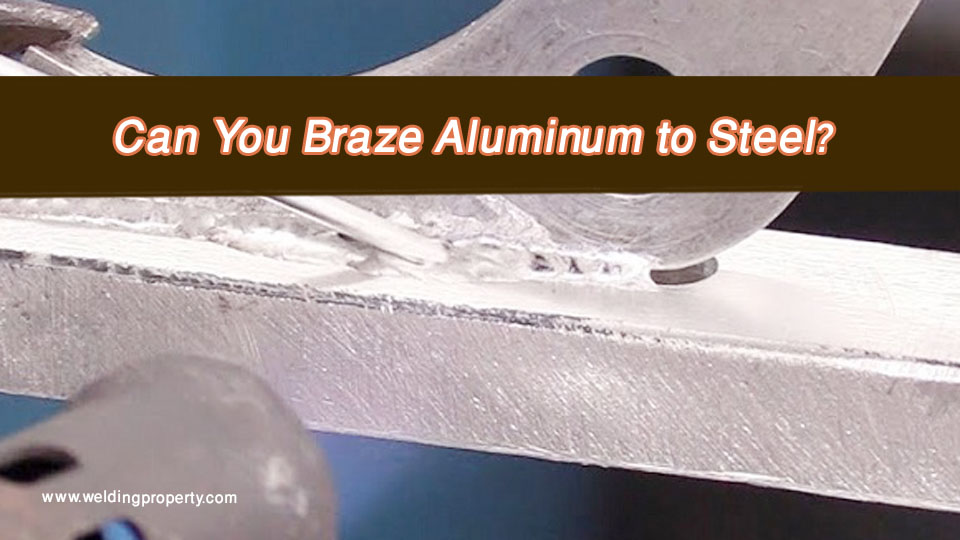
Aluminum is a versatile and lightweight metal that is used in a wide variety of applications, from aircraft manufacturing to DIY projects. Welding aluminum can be challenging due to its high thermal conductivity and unique properties.
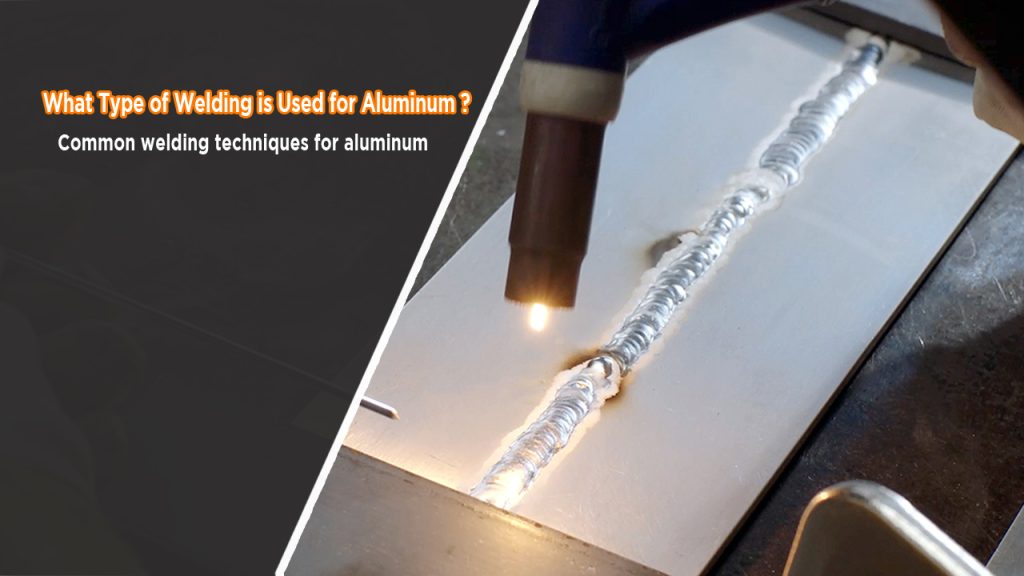
Image by homedepot
So, what type of welding is used for aluminum? We will explore the different methods and techniques used for welding aluminum, helping you understand which one is best suited for your specific project.
Common welding techniques for aluminum
When it comes to welding aluminum, there are several techniques that are commonly used. Each technique has its own advantages and disadvantages, it’s important to choose the right one based on your project requirements. The most common welding techniques for aluminum include TIG, MIG, and stick welding.
TIG welding for aluminum
TIG (Tungsten Inert Gas) welding is one of the most popular methods for welding aluminum. This technique uses a non-consumable tungsten electrode and an inert shielding gas to create a high-quality, precise weld. TIG welding is particularly suitable for thin aluminum sheets and provides excellent control over the welding process.
One of the key advantages of TIG welding for aluminum is its ability to produce clean and aesthetically pleasing welds. The use of a non-consumable tungsten electrode allows for precise control of the welding arc, resulting in a weld that is free from defects such as porosity or excessive spatter. The inert shielding gas protects the weld pool from atmospheric contamination, ensuring a strong and durable bond.
TIG welding also offers the advantage of being able to weld aluminum alloys with different thicknesses. The low heat input of the TIG process minimizes the risk of distortion and warping, making it ideal for thin materials. This technique is commonly used in industries such as aerospace, automotive, and marine, where high-quality welds are essential.
MIG welding for aluminum
MIG (Metal Inert Gas) welding is another commonly used technique for welding aluminum. This method uses a consumable wire electrode and an inert shielding gas to create the weld. MIG welding is faster and more cost-effective than TIG welding and is well-suited for thicker aluminum sections.
One of the primary advantages of MIG welding for aluminum is its high deposition rate. The wire electrode used in MIG welding allows for a continuous and efficient welding process, making it suitable for large-scale production or projects that require welding a significant amount of aluminum. MIG welding can be easily automated, further increasing productivity.
MIG welding does have some limitations when it comes to welding aluminum. It is generally not recommended for thin materials or applications that require precise control over the welding process.
The high heat input of MIG welding can lead to distortion and warping, especially in thinner sections. It is important to consider the specific requirements of your project before choosing MIG welding for aluminum.
Stick welding for aluminum
Stick welding, also known as shielded metal arc welding (SMAW), is another option for welding aluminum. This technique uses a consumable electrode coated in flux, which creates a protective gas shield around the weld pool. Stick welding is versatile and can be used for a wide range of materials, including aluminum.
While stick welding can be used for aluminum, it is not as commonly used as TIG or MIG welding. Stick welding is generally more suitable for thicker sections of aluminum and is often used in heavy-duty applications such as construction or shipbuilding.
It is important to note that stick welding requires a high level of skill and experience to achieve quality welds, especially when working with aluminum.
Choosing the right welding technique for your aluminum project
When it comes to choosing the right welding technique for your aluminum project, there are several factors to consider. The thickness of the material, the desired weld quality, and the equipment available all play a role in determining which technique is best suited for your needs.
For thin aluminum sheets or applications that require precise control over the welding process, TIG welding is often the preferred choice. The ability to produce clean and aesthetically pleasing welds, along with excellent control over the welding arc, makes TIG welding ideal for projects that demand high-quality results.
If you are working with thicker sections of aluminum or need to weld a large amount of material quickly, MIG welding may be a better option. The high deposition rate and efficiency of MIG welding make it suitable for projects that require fast and cost-effective welding.
Stick welding can be a viable option for aluminum, especially in heavy-duty applications. It requires a high level of skill and experience to achieve quality welds, so it may not be suitable for everyone.
Tips for welding aluminum successfully
Welding aluminum successfully requires some specific considerations and techniques. Here are some tips to help you achieve successful and high-quality aluminum welds:
Cleanliness is crucial
Aluminum is highly susceptible to contamination, so it is important to ensure that the material is clean before welding. Remove any dirt, grease, or oxide layers from the surface of the aluminum using a wire brush or solvent.
Use the right filler material
Choosing the correct filler material is essential for achieving strong and durable aluminum welds. Match the filler material to the base material to ensure compatibility and strength.
Preheat as necessary
Aluminum has a high thermal conductivity, which can lead to rapid cooling and potential cracking. Preheating the material can help minimize the risk of cracking and improve weld quality, especially when working with thicker sections.
Control the heat input
Aluminum is sensitive to heat, so it is important to control the heat input during the welding process. Avoid excessive heat that can cause distortion, warping, or burn-through. Use a consistent travel speed and adjust the heat settings accordingly.
Protect the weld pool
Shielding the weld pool from atmospheric contamination is crucial for achieving strong and defect-free welds. Use an inert shielding gas, such as argon, to protect the weld pool from oxidation and ensure a clean and sound weld.
Safety precautions for welding aluminum
Welding aluminum requires safety precautions to protect yourself and others from potential hazards. Here are some important safety measures to consider:
Wear protective gear
Always wear appropriate personal protective equipment (PPE), including gloves, safety glasses, and a welding helmet. Aluminum welding produces intense ultraviolet (UV) light and sparks, which can cause eye and skin damage.
Ensure proper ventilation
Welding aluminum produces fumes and gases that can be harmful if inhaled. Make sure you are working in a well-ventilated area or use local exhaust ventilation to remove the fumes.
Handle equipment properly
Familiarize yourself with the operation of the welding equipment and follow the manufacturer’s instructions. Improper use of welding equipment can result in accidents or injuries.
Be aware of fire hazards
Aluminum dust and chips can be highly flammable. Keep your work area clean and free from combustible materials. Have a fire extinguisher readily available in case of emergencies.
Conclusion
Welding aluminum requires careful consideration of the material properties and project requirements. TIG, MIG, and stick welding are the most common techniques used for aluminum welding, each with its own advantages and limitations. TIG welding is ideal for thin aluminum sheets and provides excellent control over the welding process, resulting in clean and precise welds.
MIG welding is faster and more cost-effective, making it suitable for thicker sections of aluminum or large-scale production. Stick welding can be used for aluminum, but it requires a high level of skill and experience.
By understanding the different welding techniques and following the tips and safety precautions mentioned, you can successfully weld aluminum and achieve high-quality results in your projects. Remember to choose the right technique based on your project requirements and always prioritize safety.