
Cast iron can pose unique challenges during the welding process due to its high carbon content and tendency to crack. With the use of flux core wire, welding cast iron can become a viable solution for repairing and joining cast iron materials.
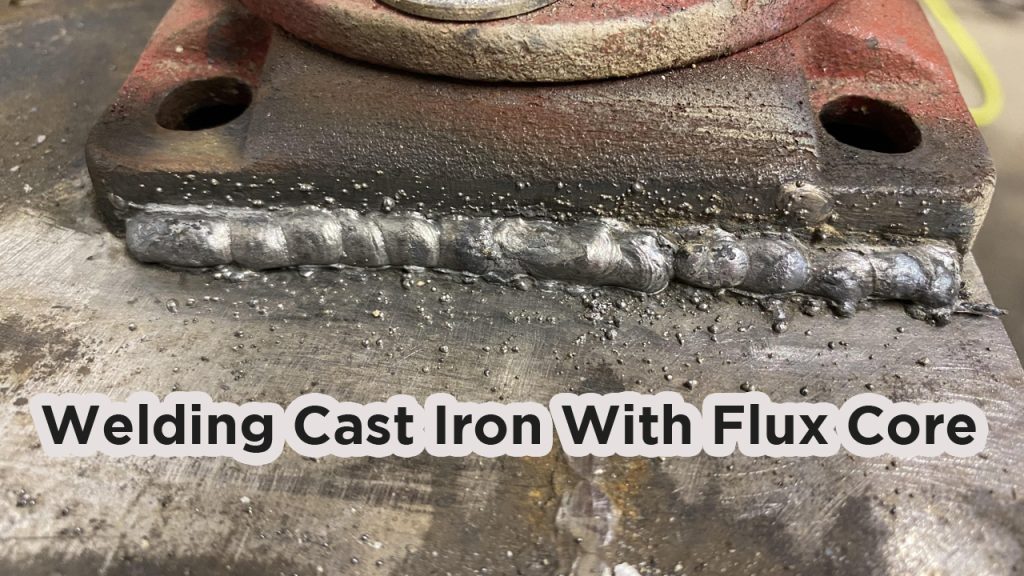
Photo by reddit
We will delve into the process of welding cast iron with flux core, discussing the necessary techniques and considerations for achieving strong and durable welds on this material.
If you are a professional welder or a DIY enthusiast, the information presented here will equip you with the knowledge to successfully weld cast iron. Let’s discuss into the world of flux core welding and learn how to weld cast iron with confidence.
What is Cast Iron Welding?
Cast iron is known for its durability, but welding this material can present several unique challenges. Due to its high carbon content and tendency to crack, cast iron requires specific welding techniques for a strong and durable repair. One effective method for welding cast iron is using flux core wire.
This type of wire offers several advantages, including its ability to protect the weld from oxidation and provide a stable arc for consistent penetration.
Successfully welding cast iron requires specific techniques and a deep understanding of the material. Our article will delve into the nuances of cast iron welding techniques and offer insight into the benefits of using flux core wire for a successful repair.
Selecting the Right Flux Core Wire
When it comes to choosing the best flux core wire for cast iron welding, several factors should be considered to ensure a successful repair.
The tensile strength, composition, and compatibility with cast iron are crucial elements that can significantly affect the outcome of the welding process.
The most suitable type of flux core wire for welding cast iron is high-nickel wire, which contains 44% nickel and 55% iron.
Thanks to its high nickel content, this wire is highly compatible with cast iron and offers a low coefficient of thermal expansion. This low expansion means that the weld will be less likely to undergo additional stress, which can cause cracking or porosity.
| Wire Type | Description | Applications |
|---|---|---|
| Gas-shielded flux core wire | Requires a welding shield gas to protect the weld from atmospheric contamination. | Useful for thicker and more complicated cast iron repairs. |
| Self-shielded flux core wire | Does not require an additional shielding gas due to its flux core composition. | Ideal for outdoor cast iron repairs in windy conditions or when welding thicker materials. |
| Dual-shielded flux core wire | Uses a combination of shielding gas and flux core for enhanced protection. | Best for applications requiring high-quality welds and highly precise control. |
When selecting a flux core wire, it’s crucial to consider the requirements of the specific cast iron repair. For thicker, more complicated repairs, a gas-shielded flux core wire may be the best option.
On the other hand, for outdoor or windy conditions or when welding thicker materials, self-shielded flux core wire offers enhanced shielding and protection.
Dual-shielded flux core wire is best suited for applications that require highly precise control and exceptional weld quality.
The best flux core wire for cast iron welding is high-nickel wire, with a composition of 44% nickel and 55% iron. Depending on the specific cast iron repair requirement, considerations such as the thickness of the material, location, and quality of the weld will determine which type of flux core wire to use.
Preparing for Welding
Welding cast iron with flux core requires proper preparation to ensure a successful repair. Preheating the workpiece is essential to prevent cracking, and it’s important to clean the area thoroughly to remove any contaminants that may interfere with the welding process.
When welding cast iron with flux core, it’s crucial to select the appropriate flux core electrode for the specific repair. This will largely depend on the type of cast iron being welded, as well as the size and location of the repair.
| Step | Description |
|---|---|
| Preheat | Preheat the workpiece to around 500 degrees Fahrenheit to prevent cracking. |
| Clean | Clean the area thoroughly to remove any contaminants that may interfere with the welding process. |
| Select the appropriate flux core electrode | Select a flux core wire with a high nickel content for repairing cast iron with ductile properties. Welding cast iron with high carbon content requires a nickel-iron flux core wire. |
If the workpiece is dirty or oily, use acetone or alcohol to clean it and remove any contaminants. If the cast iron material is severely damaged, it may require grinding or machining prior to welding to achieve the desired result.
Proper preparation can greatly contribute to the success of the welding process, ultimately resulting in a strong and durable repair on cast iron materials.
Techniques for Welding Cast Iron
Welding cast iron with flux core wire can be a tricky process, but by following the right techniques, you can achieve strong, durable welds without the risk of cracking. Here are some important considerations to keep in mind:
Heat Control
One of the biggest challenges when welding cast iron is managing heat input. Too much heat can cause the material to crack, while too little heat can result in a weak weld.
Start by preheating the workpiece to reduce the risk of cracking, and then use a low heat setting on your welder to minimize heat input.
Take breaks between welds to allow the material to cool down, and monitor the temperature carefully throughout the welding process.
Travel Speed
The speed at which you move the welder along the workpiece, or travel speed, is crucial for achieving a strong, even weld. Move too quickly and the joint will not fuse properly, leading to weak spots.
Move too slowly and you risk overheating the material. Finding the right balance takes practice and patience, but is vital for achieving a quality weld. Experiment with different travel speeds until you find the sweet spot.
Creating a Proper Weld Pool
A proper weld pool is vital for achieving a strong, durable weld on cast iron. Make sure the weld pool is deep enough to create a strong bond between the base metal and filler material, but not so deep that it causes the material to crack.
Use a back-and-forth motion to create a smooth and even weld pool, and be sure to fill any holes or gaps in the material.
Summary
By following these techniques when welding cast iron with flux core wire, you can minimize the risk of cracking and achieve strong, durable repairs on cast iron materials. Remember to carefully manage heat input, travel speed, and weld pool formation for the best results.
Troubleshooting Common Issues
Welding cast iron with flux core wire requires skill and experience, and even the most proficient welders can encounter challenges during the process.
Here are some common problems that may arise when welding cast iron with flux core, along with tips to troubleshoot and resolve them.
Porosity
Porosity is a common issue that occurs when tiny gas pockets are trapped within the weld. This can weaken the joint and cause eventual failure. To avoid porosity, be sure to clean the workpiece thoroughly before welding and maintain a steady, constant travel speed.
Adjust the wire feed speed and voltage as needed to achieve a smooth, even weld and avoid interruptions that can cause gas pockets to form. Use an appropriate filler material to match the composition of the cast iron and ensure proper bonding.
Cracking
Cracking is a common problem when welding cast iron due to the material’s tendency to change shape during cooling. One of the main causes of cracking is overheating, which can be mitigated by controlling the heat input throughout the welding process.
Another way to prevent cracking is by using preheating and post-welding cooling techniques to reduce thermal stress. Choosing a flux core wire with a slower cooling rate can allow the material to cool more slowly and reduce the risk of cracking.
Distortion
Distortion occurs when the welded material changes shape during welding and cooling, leading to deformation. To prevent distortion, it is essential to maintain a consistent heat input throughout the welding process.
Avoiding excessive weld deposit can help to minimize distortion, as can using clamping or fixturing to secure the workpiece during welding.
Post-Welding Considerations
After completing the weld on the cast iron material using flux core wire, it is essential to carry out post-welding procedures that guarantee the repair’s longevity.
Stress relieving is a technique that involves heating the welded part to a specific temperature and holding it there, followed by slow cooling. This process reduces internal stresses and minimizes the chance of cracks or distortion.
Annealing is another heating process that involves heating the welded part to a high temperature and allowing it to cool slowly. This technique helps improve the material’s ductility while reducing stress levels.
Post-weld machining involves removing excess or undesirable materials from the welded part. This process ensures that the weld remains uniform and smooth to avoid stress concentrations.
It is always important to inspect and test the weld quality after the repair to ensure its durability and reliability. It allows for the identification of welding issues before they become severe, leading to a weakened structure and ultimate failure.
As a final post-welding consideration, always clean the welded area to avoid contamination or further damage. Use the proper cleaning tools to ensure efficient and effective cleaning without causing any damage to the weld.
Conclusion
Welding cast iron with flux core wire can be a challenging process, but with the right techniques and materials, it is entirely achievable.
By selecting the appropriate flux core wire, preparing the workpiece correctly, and following the specific techniques outlined in this article, you can achieve strong and durable welds on cast iron materials.
Taking proper precautions during the welding process is crucial to prevent common issues such as porosity, cracking, and distortion.
Additionally, implementing post-welding procedures such as stress relieving, annealing, and post-weld machining can extend the life and improve the functionality of the repaired components.
Welding cast iron with flux core wire is an effective method for repairing and joining cast iron materials. With practice and attention to detail, you can master the process and achieve high-quality results that will stand the test of time.


