When I first started working with metals, brass caught my attention for its beautiful gold-like appearance and versatility. But welding brass? That sounded intimidating.
I’ve learned that with the right tools, techniques, and safety precautions, welding brass can be a smooth and rewarding process.

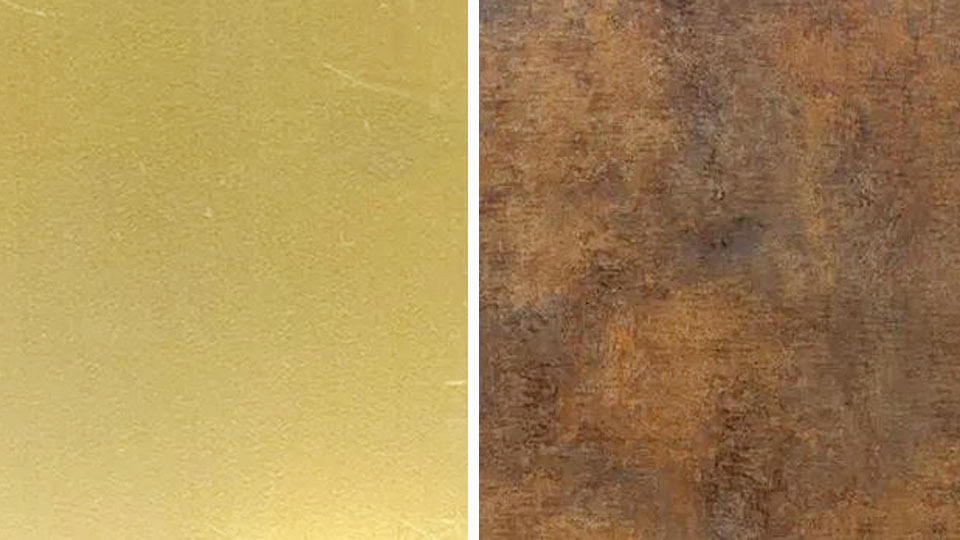
Image by cabaret
Brass is a fascinating alloy made of copper and zinc, and sometimes other elements are added to improve its properties. While it’s widely used in plumbing, art, and mechanical applications, welding brass requires special care because of its unique characteristics.
Let me walk you through everything you need to know about welding brass safely, whether you’re using a torch or other methods.
Why Welding Brass Is Different
Welding brass isn’t like welding steel or aluminum. Here’s why:
Zinc Vaporization: Brass contains zinc, which vaporizes at high temperatures. This creates toxic fumes and can weaken the weld.
High Thermal Conductivity: Brass conducts heat very efficiently, making it challenging to maintain a consistent weld pool.
Low Melting Point: Compared to other metals, brass melts at a lower temperature, so careful heat control is essential.
Understanding these factors is the first step to welding brass safely and effectively.
Tools and Equipment Needed for Welding Brass
Before you start, you’ll need the right tools and materials to ensure a smooth process:
- Welding Torch: An oxy-acetylene torch is the most common choice for brass welding.
- Filler Material: Silicon bronze rods are the go-to filler material because they complement brass’s properties.
- Flux: Use a high-quality flux designed for brass to prevent oxidation and improve adhesion.
- Protective Gear: Always wear gloves, a welding helmet, and a respirator to protect yourself from zinc fumes.
- Work Area: Ensure you’re working in a well-ventilated space or use an exhaust hood.
How to Weld Brass with a Torch
Torch welding, also known as oxy-acetylene welding, is one of the most effective ways to join brass. Here’s a step-by-step guide to get you started:
Preparing the Brass
Preparation is key. Begin by cleaning the brass surfaces with a wire brush or emery cloth. Any dirt, oil, or oxidation can weaken the weld, so make sure the area is spotless. If the brass is thick, preheating it slightly will help prevent cracking.
Setting Up the Torch
For brass welding, adjust the torch to produce a neutral flame. A neutral flame has a balanced ratio of oxygen and acetylene, which minimizes the risk of overheating the metal and vaporizing zinc.
Welding Process
- Apply Flux: Coat the joint with flux to prevent oxidation during the weld.
- Heat the Brass Evenly: Use a steady, circular motion to heat the brass. Avoid staying in one spot too long, as this can cause the zinc to vaporize.
- Add Filler Rod: Once the brass is at the right temperature, introduce the silicon bronze filler rod. Let it flow naturally into the joint for a smooth, strong weld.
- Cool Gradually: Allow the brass to cool slowly to avoid warping or cracking.
Other Methods for Welding Brass
While torch welding is a popular choice, there are other methods to weld brass. Let’s explore them:
TIG Welding
TIG (Tungsten Inert Gas) welding is ideal for precise and clean brass welds. It uses a non-consumable tungsten electrode and an argon shielding gas to create a high-quality weld.
- Advantages: Precise heat control and clean welds.
- Challenges: Requires skill and experience to avoid overheating the brass.
MIG Welding
MIG (Metal Inert Gas) welding is another option, especially for larger projects. It uses a continuous wire feed as the filler material.
- Advantages: Fast and efficient for larger applications.
- Challenges: Less precise than TIG welding and harder to control heat on thin brass pieces.
Brazing
Brazing is a low-temperature method that doesn’t melt the base metal. Instead, it uses a filler material to join the pieces.
- Advantages: Easier for beginners and less risk of damaging the brass.
- Challenges: Not as strong as welding and limited to certain applications.
Safety Precautions When Welding Brass
Welding brass can be dangerous if proper precautions aren’t taken. Here are some safety tips to keep in mind:
- Work in a Ventilated Area: Zinc fumes are toxic, so always weld in a space with good ventilation.
- Wear a Respirator: Use a respirator specifically designed for welding fumes to protect your lungs.
- Use Proper Eye Protection: A welding helmet with the correct shade level will shield your eyes from harmful UV rays.
- Monitor Heat Levels: Overheating brass can lead to warping or weak joints, so control the heat carefully.
Common Problems and Solutions When Welding Brass
Zinc Vaporization
- Problem: Zinc vaporizes at high temperatures, releasing fumes and weakening the weld.
- Solution: Use lower heat settings and maintain a neutral flame to minimize vaporization.
Porosity in the Weld
- Problem: Porosity occurs when gas gets trapped in the weld, leading to weak spots.
- Solution: Ensure the brass is clean and use the right amount of flux.
Warping or Cracking
- Problem: Uneven heating can cause the brass to warp or crack.
- Solution: Preheat the brass and use controlled, even heat during welding.
Applications of Brass Welding
Brass welding is used in a variety of industries and projects, including:
- Plumbing: Joining pipes and fittings for water systems.
- Art and Design: Creating sculptures, jewelry, and decorative pieces.
- Marine Applications: Building corrosion-resistant components for boats and docks.
- Electrical Work: Manufacturing electrical terminals and connectors.
Comparing Brass Welding Methods
Here’s a quick comparison of the different methods for welding brass:
| Method | Precision | Speed | Best For |
|---|---|---|---|
| Torch Welding | High | Moderate | Artistic and decorative work |
| TIG Welding | Very High | Slow | Detailed, high-quality welds |
| MIG Welding | Moderate | Fast | Large-scale projects |
| Brazing | Low | Fast | Beginner-friendly applications |
Conclusion
Welding brass is both an art and a science. While it has its challenges, mastering the process is incredibly rewarding.
If you’re using a torch, TIG, or MIG welding, the key is to prepare thoroughly, work carefully, and prioritize safety. By following the steps and tips outlined here, you’ll be able to create strong, beautiful welds that stand the test of time.
If you’ve never tried welding brass before, don’t be intimidated. With practice and patience, you’ll soon discover how versatile and enjoyable this material can be to work with. So, gather your tools, take a deep breath, and give it a shot!
FAQs
Can brass be welded with a regular welding machine?
Yes, but the method depends on the machine. TIG and MIG welders are most suitable for brass welding.
What is the best filler material for brass welding?
Silicon bronze filler rods are the best choice for welding brass.
Do you need to preheat brass before welding?
Preheating is recommended, especially for thick pieces, to reduce thermal stress and ensure a smoother weld.
Is brazing better than welding for brass?
Brazing is easier and safer for beginners, but welding provides stronger joints for certain applications.
How do you avoid zinc fumes when welding brass?
Always weld in a well-ventilated area and wear a high-quality respirator.