TIG welding aluminum is one of the most rewarding yet challenging skills in welding. When I first started welding aluminum, I quickly realized that it behaves completely differently from steel. It’s soft, has a lower melting point, and is extremely sensitive to contamination. Once I got the hang of it, I saw how beautiful and strong aluminum welds could be.
If you’ve struggled with TIG welding aluminum, don’t worry—you’re not alone. It requires patience, the right settings, and solid techniques. If you’re working on automotive parts, aerospace components, or custom fabrication, mastering aluminum TIG welding is a skill that will set you apart. I’ll walk you through the best techniques, settings, and tips I’ve learned to help you get cleaner, stronger, and more consistent welds.

Image by reddit
Why Is Aluminum Different from Other Metals?
Aluminum is unique compared to steel and stainless steel because of its high thermal conductivity, low melting point, and oxidation properties.
Oxidation – Aluminum forms a thin oxide layer that melts at a much higher temperature than the base metal. If you don’t remove it properly, it can lead to contamination and weak welds.
Heat Dissipation – Aluminum pulls heat away quickly, meaning you need to adjust your amperage to maintain a stable puddle.
Warping & Burn-Through – Because it’s so conductive, aluminum can easily overheat, leading to distortion or holes in thin sections.
Understanding these challenges will help you adjust your welding technique and equipment settings for better results.
Choosing the Right Equipment for TIG Welding Aluminum
TIG welding aluminum requires the right equipment setup to handle its unique properties. Here’s what you’ll need:
TIG Welder
You must use an AC/DC TIG welder because aluminum welding requires Alternating Current (AC). AC helps break through the oxide layer while maintaining a stable arc.
Tungsten Electrodes
Not all tungsten electrodes work well for aluminum. The best choices are:
- Pure Tungsten (Green) – Traditional choice but not as efficient.
- 2% Lanthanated (Blue) – Provides better arc stability and lasts longer.
- 2% Zirconiated (White) – Great for high-amperage applications.
Filler Rod Selection
Your choice of filler rod depends on the application:
- 4045 or 4043 – Best for general aluminum welding, provides good strength and crack resistance.
- 5356 – Stronger, but not ideal for applications that require anodizing.
Shielding Gas
Always use 100% Argon for aluminum welding. If you’re working on thicker materials, an Argon-Helium mix can help improve penetration.
Torch & Foot Pedal
A water-cooled TIG torch is recommended for high-amperage applications. A foot pedal allows precise heat control, preventing overheating or burn-through.
Preparing Aluminum for TIG Welding
One of the biggest mistakes I see beginners make is not cleaning aluminum properly before welding. Even brand-new aluminum has an oxide layer that needs to be removed.
Here’s how to prep your aluminum for the best welds:
- Use a Stainless Steel Brush – A dedicated stainless steel wire brush will remove oxidation. Never use a brush that has touched steel, as it can introduce contamination.
- Clean with Acetone – This removes oil, grease, and dirt that can cause porosity.
- Deburr Sharp Edges – A grinder or file helps smooth out edges for a better weld.
- Ensure a Tight Fit-Up – Gaps in aluminum can cause burn-through. Make sure your pieces fit tightly together.
Setting Up Your TIG Welder for Aluminum
Getting the right machine settings is crucial for successful aluminum TIG welding. Here’s a breakdown of the most important settings:
| Setting | Recommended Values |
|---|---|
| Amperage | 1 amp per 0.001” thickness (e.g., 125A for 1/8” aluminum) |
| Polarity | AC (Alternating Current) |
| AC Balance | 70% Electrode Negative, 30% Cleaning |
| AC Frequency | 80-120 Hz for better arc control |
| Gas Flow Rate | 15-20 CFH (Cubic Feet per Hour) |
| Tungsten Size | 3/32” for most applications, 1/8” for thicker aluminum |
Mastering the Arc and Heat Control
Controlling the arc is what separates clean, strong welds from messy ones. Here’s what I’ve learned about maintaining a good arc when welding aluminum:
Use a short arc length – Keeping the tungsten close to the workpiece (without touching) ensures good penetration and reduces contamination.
Watch the puddle, not the arc – A shiny, fluid puddle means you have good fusion. If it looks grainy or dull, you may have oxidation.
Use the foot pedal – Adjusting amperage as you weld helps control heat and prevents overheating thin sections.
Best Techniques for TIG Welding Aluminum
There are a few different techniques that work well for aluminum. I’ll break down the best ones:
Dip Technique for Adding Filler Metal
This is the most common technique used for aluminum welding.
- Hold the filler rod at a 15-degree angle and dip it into the leading edge of the puddle.
- Keep the rod within the shielding gas zone to prevent contamination.
- Avoid overheating the rod, as aluminum filler metal can melt back too quickly.
Walking the Cup (For Thick Aluminum)
This technique is more common in pipe welding but can also work for thicker aluminum pieces.
- Rest the ceramic cup of the torch on the workpiece and use a slight “walking” motion.
- This provides better control for deep penetration welds.
Weaving Technique (For Wider Welds)
If you need a wider bead, use a slight side-to-side weaving motion.
- Avoid excessive weaving, as aluminum spreads heat fast and can create an uneven weld.
Avoiding Common TIG Welding Aluminum Mistakes
Aluminum is not forgiving when it comes to mistakes. Here are some common problems and how to fix them:
| Problem | Cause | Solution |
|---|---|---|
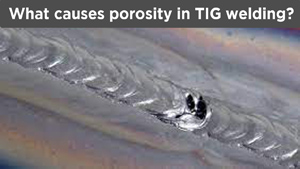
| Porosity (holes in weld) | Contaminated base metal, poor gas flow | Clean metal thoroughly, check gas flow |
| Lack of fusion | Too low amperage, fast travel speed | Increase amperage, slow down |
| Burn-through | Too much heat, poor fit-up | Reduce amperage, use pulse settings |
| Grainy welds | Oxidation, incorrect AC balance | Increase cleaning action, use fresh tungsten |
Conclusion
TIG welding aluminum is challenging, but once you master the techniques, it opens up a world of possibilities in fabrication, automotive work, and industrial applications. The key to success is proper preparation, correct welder settings, and precise heat control. It takes practice to develop a feel for aluminum, but don’t get discouraged if your first few welds don’t look perfect.
Keep your metal clean, use the right filler, and pay attention to the puddle. With time, you’ll be creating strong, smooth, and visually appealing aluminum welds.
FAQs
Why does aluminum weld differently than steel?
Aluminum has higher thermal conductivity and forms an oxide layer that melts at a much higher temperature than the base metal.
Can I use DC for TIG welding aluminum?
No, aluminum must be welded using AC polarity to break the oxide layer and ensure proper fusion.
Why is my aluminum weld turning black?
Black soot is caused by contamination, improper gas coverage, or too much AC cleaning action.
How do I prevent warping in thin aluminum?
Use pulse settings, lower amperage, and clamp the workpiece to a heat sink.
What’s the best tungsten for aluminum TIG welding?
2% Lanthanated (Blue) is the best all-around tungsten for aluminum because it offers great arc stability.