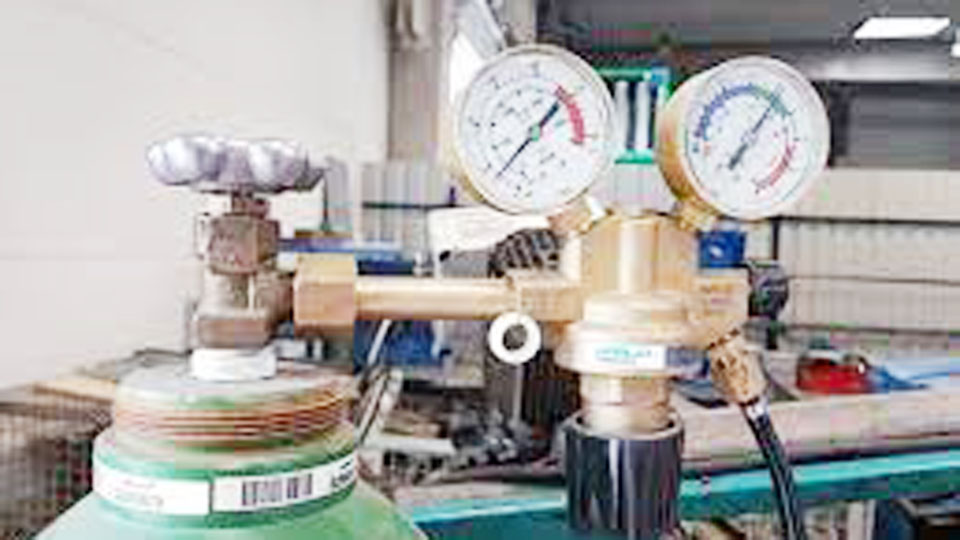
Working with natural gas systems, one of the first things you quickly learn is that flow rate isn’t just a number—it’s a safety-critical calculation. Get it wrong, and you risk underperforming appliances, pressure drops, or worse, hazardous situations. I’ve seen plenty of DIY setups and even some professional installs run into trouble simply because the flow rate wasn’t calculated correctly.
Knowing the natural gas flow rate calculation formula is essential for sizing pipes, regulators, and appliances accurately. In this guide, I’ll walk you through the formula step by step, explain what each variable means, and share practical tips to ensure your system runs efficiently and safely every time.

Why Is Natural Gas Flow Rate Calculation Important?
Natural gas powers homes, industries, and even vehicles in the USA. Whether it’s for heating, cooking, or running machinery, knowing how much gas flows through a system at any time is vital for:
- Efficiency: Ensuring the system is operating at optimal levels.
- Safety: Avoiding overpressure that could lead to dangerous situations.
- Cost Control: Managing usage to keep bills within budget.
Accurate flow rate calculations allow you to strike a balance between consumption and supply, helping systems run smoothly without hiccups.
Factors Affecting Natural Gas Flow Rate
Before diving into formulas, it’s essential to understand the factors that influence the flow rate of natural gas:
Pressure
The flow rate depends heavily on the pressure difference in the system. Higher pressure generally results in a faster flow rate, while lower pressure slows it down.
Temperature
Temperature impacts the density of natural gas. As the temperature rises, the gas becomes less dense, which can alter flow rates.
Pipe Size and Material
The diameter, length, and material of the pipe determine how easily gas can flow through it. Wider pipes allow more flow, while narrow ones restrict it.
Gas Composition
Natural gas isn’t always pure methane. Its composition can include propane, ethane, or other hydrocarbons, affecting flow characteristics.
Viscosity
The thickness or “resistance to flow” of natural gas also plays a role. Lower viscosity means gas flows more easily, while higher viscosity restricts movement.
Natural Gas Flow Rate Calculation Formula
One widely used formula is derived from the Ideal Gas Law and related fluid dynamics principles. The formula is:
Q = (ΔP × π × r⁴) / (8 × η × L)
Where:
- Q: Flow rate (cubic meters per second or cubic feet per second)
- ΔP: Pressure difference (Pascals or PSI)
- π: Pi (3.14159)
- r: Pipe radius (meters or feet)
- η: Gas viscosity (Pascal-seconds or centipoise)
- L: Pipe length (meters or feet)
This formula assumes laminar flow, which occurs in low-pressure systems. For high-pressure or turbulent systems, more advanced equations like the Darcy-Weisbach Equation or the Colebrook-White Formula might be needed.
Simplified Flow Rate Formula for Everyday Use
For practical applications like estimating flow rates in homes or small businesses, a simplified formula is often used:
Q = P × V / Z × T
Where:
- Q: Flow rate (Standard Cubic Feet per Hour, SCFH)
- P: Pressure (PSI)
- V: Volume (Cubic Feet)
- Z: Compressibility factor (dimensionless, specific to gas type)
- T: Temperature (Rankine or Kelvin)
This version considers standard temperature and pressure conditions, making it user-friendly for quick estimates.
Common Tools for Measuring Gas Flow
Accurate calculation often requires tools to measure variables like pressure, temperature, and gas composition. Here are some commonly used devices:
| Tool | Purpose | Use Case |
|---|---|---|
| Orifice Meters | Measure differential pressure | Ideal for industrial pipelines |
| Rotameters | Measure volumetric flow rate | Best for smaller systems |
| Turbine Flow Meters | Measure gas velocity | Suitable for high-pressure environments |
| Ultrasonic Meters | Use sound waves to measure flow | High-accuracy industrial applications |
| Thermal Mass Flow Meters | Measure mass flow directly | Useful for gas composition-sensitive systems |
These tools can be paired with software for real-time monitoring and enhanced precision.
Real-Life Applications of Natural Gas Flow Rate Calculations
Residential Use
If you’ve ever wondered how your gas bill is calculated, it involves flow rate measurements. Utilities use flow meters to track how much gas flows through your home’s supply line.
Industrial Operations
Factories and power plants rely on precise flow calculations to power machinery efficiently while minimizing costs.
Transportation
Compressed Natural Gas (CNG) vehicles need accurate flow rate measurements during refueling to ensure proper tank filling without overpressure.
Safety Systems
Flow rate monitoring is a critical part of safety mechanisms that detect leaks or pressure imbalances in pipelines.
Challenges in Calculating Natural Gas Flow Rate
Even with formulas and tools, some challenges can arise:
Variability in Gas Composition
Since natural gas isn’t always pure methane, its properties can vary, requiring adjustments in calculations.
Environmental Factors
Temperature and pressure changes due to weather or altitude can affect flow rate accuracy.
Equipment Limitations
Outdated or improperly calibrated flow meters can lead to incorrect readings.
Addressing these issues often involves regular maintenance and calibrating your equipment.
Conclusion
Calculating the flow rate of natural gas might sound technical, but it’s an essential skill for anyone managing gas systems. From ensuring safety to optimizing energy use, understanding these calculations empowers you to make smarter decisions.
If you’re working with complex industrial setups or just curious about how your home’s gas system works, start with the basics. Learn the factors, choose the right formula, and use reliable tools. Once you get the hang of it, you’ll find that it’s not as intimidating as it seems.
FAQs
What is the standard temperature and pressure for natural gas calculations?
Standard conditions in the USA are typically 60°F (15.6°C) and 14.7 PSI (101.325 kPa).
How do I choose the right flow meter for my system?
Consider factors like pipe size, gas pressure, required accuracy, and budget. Ultrasonic meters are great for high precision, while orifice meters are cost-effective for basic needs.
Can I calculate flow rate without specialized equipment?
While it’s possible to estimate using formulas and known values, investing in a flow meter ensures accuracy and reliability.
Does gas flow rate impact energy efficiency?
Yes! An optimized flow rate reduces waste and ensures your system operates efficiently, saving money and energy.
How often should flow meters be calibrated?
Most experts recommend annual calibration, but high-use systems may require more frequent checks.