A leaking gas tank can quickly turn a minor problem into a serious safety concern. Even a tiny crack, pinhole, or damaged seam can lead to fuel loss, strong odors, and potential fire hazards if left unchecked.
That’s why many welders and vehicle owners start researching how to weld gas tank repairs when replacement isn’t immediately practical.
Gas tanks are very different from ordinary metal projects. Residual fuel, flammable vapors, and thin metal construction make them one of the most challenging—and potentially dangerous—items to repair. A job that looks simple on the surface can carry significant risks if proper precautions aren’t taken.
Because of those risks, understanding the process is just as important as understanding the weld itself. I’ll cover the key considerations, common challenges, safety factors, and repair options that every welder should know before deciding whether a gas tank can be repaired or if another solution makes more sense.
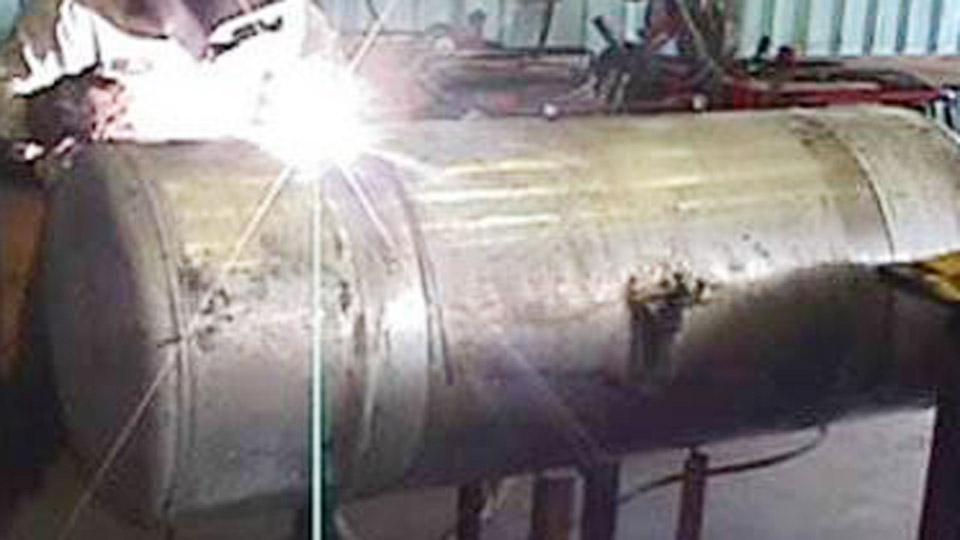
Image by mtetrucks
Why Welding Gas Tanks Matters More Than Most Jobs
Gas tanks—whether for gasoline, diesel, propane, or custom fab—hold volatile stuff. Even “empty” tanks have vapors that mix with air in explosive ratios. Heat from welding introduces ignition sources, thin sheet metal warps easily, and poor penetration leads to leaks that cause bigger headaches later.
I’ve seen beginners blow through thin 18-22 gauge steel because they cranked the amps too high. Pros sometimes skip thorough purging and regret it. Distortion can ruin fitment on mounts or baffles.
Rework on a sealed tank is a nightmare. Done right, though, you get strong, leak-free results that last years under vibration, pressure, and weather.
Safety isn’t optional. Proper joint prep, correct filler, and controlled heat input make the difference between a solid repair and scrap metal.
Safety First: Preparing a Gas Tank for Welding
You cannot skip this. Ever. I start every tank job by assuming it’s still hazardous.
Draining and Initial Cleaning
Drain all liquid fuel completely. For gasoline tanks, this means siphoning or using a pump—never just tilt and hope. Remove the fuel sender, cap, and any fittings. Rinse repeatedly with hot soapy water. I’ve run a garden hose through tanks for 20-30 minutes, agitating to loosen sludge.
Purging Vapors—the Critical Step
This is where most mistakes happen. Filling with water works for some but leaves moisture that can cause rust or porosity. Better options include:
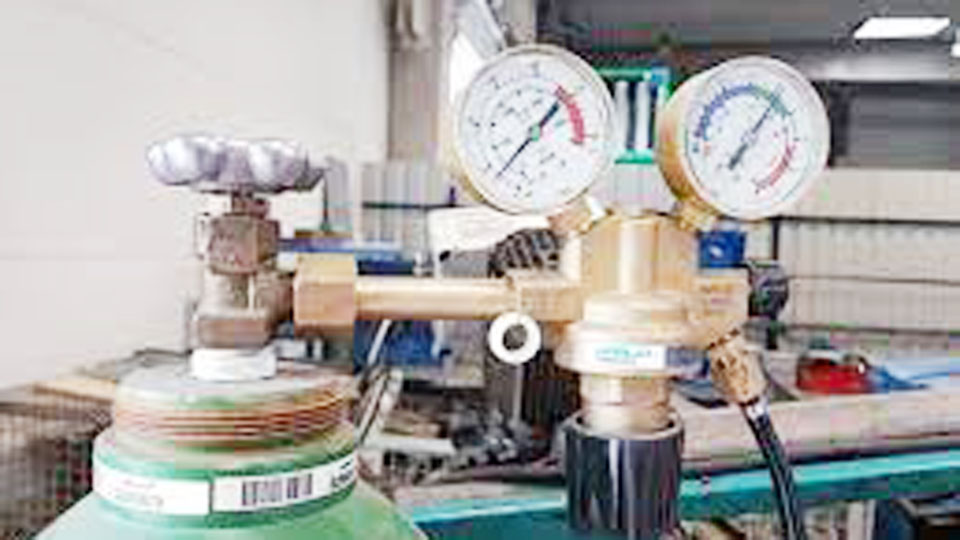
- Inert gas purge: Flow argon, CO2, or nitrogen steadily through the tank while welding. Keep a low positive pressure.
- Exhaust method: Run diesel exhaust into the tank for 15-30 minutes to displace oxygen and vapors.
- Chemical degreasers or steam cleaning for thorough jobs.
Use a combustible gas detector (LEL meter) if you have one. I’ve waved a lit torch near the filler neck after supposed cleaning and heard the whoosh more than once—scary reminder. Position the weld area at the highest point so vapors rise away.
Work outdoors or in well-ventilated space with fire extinguishers ready. Wear full PPE: flame-resistant jacket, gloves, helmet with good lens (I like shade 10-12 for MIG).
Never weld a pressurized tank or one with unknown contents. Propane tanks often require special certification if reused for pressure service—many shops won’t touch them for good reason.
Choosing the Right Welding Process for Gas Tanks
Gas tanks are usually mild steel, sometimes stainless or aluminum. Thickness runs 0.030″ to 1/8″ or thicker on heavy-duty units.
MIG (GMAW) – My Go-To for Most Repairs
Fast, forgiving on thin metal with short-circuit or pulse modes. Great for shop work on US 110V or 220V machines. Use ER70S-6 wire (0.030″ or 0.035″) for good wetting on dirty or rusty steel. Shielding gas: 75/25 Ar/CO2 or straight CO2 for deeper penetration.
TIG (GTAW) – For Precision and Thin Stuff
Best control, minimal heat input, beautiful beads. Ideal for motorcycle or custom tanks where appearance and low distortion matter. Use 1/16″ or 3/32″ tungsten, ER70S-2 filler. AC for aluminum if needed. Settings around 40-80 amps for thin gauge.
Stick (SMAW) – For Field Repairs or Thicker Metal
Portable, no gas needed. 6013 or 7018 rods for mild steel. Works but more cleanup and higher heat—riskier for thin tanks.
Flux Core – Budget Outdoor Option
Self-shielded wires like E71T-11. Good penetration but spattery; clean thoroughly afterward.
I compare them like this in the shop:
| Process | Best For | Heat Input | Cleanup | Skill Level | Common Wire/Rod |
|---|---|---|---|---|---|
| MIG | Production, thin steel | Low-Medium | Low | Medium | 0.030″ ER70S-6 |
| TIG | Precision, custom | Lowest | Very Low | High | 1/16″ ER70S-2 |
| Stick | Thick or dirty | High | High | Medium | 3/32″ 6013 |
| Flux Core | Outdoor, rusty | Medium-High | Medium | Low-Medium | 0.035″ E71T-11 |
Choose based on your machine, tank thickness, and location.
Material Compatibility and Filler Metals
Most automotive gas tanks are mild steel. Match filler to base metal. ER70S-6 handles some rust and gives nice beads. For stainless tanks, use 308 or 309L. Aluminum needs 4043 or 5356 with pure argon.
Avoid mixing metals without proper transition. Clean to bright metal—grind or wire wheel 2-3 inches around the repair. Remove paint, rust, oil. Contamination causes porosity that leaks under pressure.
Joint Preparation and Fit-Up
Bad prep ruins good technique. Grind cracks to a V or U groove. For holes, cut clean edges and fit a patch slightly larger, beveled for penetration. Tack weld strategically—inside first if possible—to minimize distortion.
Leave gaps for expansion. On seams, back-purge with inert gas when possible. For patches, use plug welds or stitch if continuous heat would warp too much.
Step-by-Step: How to Weld a Gas Tank
1. Prep the Tank
As above—clean, purge, verify.
2. Set Up Your Machine
Test on scrap same thickness. For 0.060″ mild steel MIG: 80-120 amps, 18-22V, wire speed matched to puddle. Travel speed fast enough to avoid burn-through but slow for fusion.
TIG on thin tank: 50-90 amps, foot pedal control, 100% argon 15-20 CFH. Keep arc short.
3. Welding Technique
Start with tack welds. Run short beads or stitches, letting cool between passes. Whip or weave minimally—straight stringer often best on thin material. Watch the puddle: it should tie in nicely without undercut or rollover.
On vertical or overhead (common on tanks), reduce settings 10-15% and use faster travel.
4. Multiple Passes if Needed
Root pass for penetration, cap for seal. Peen lightly between passes to relieve stress.
5. Cool Down and Inspect
Let cool naturally. Pressure test with 3-5 PSI air and soapy water. Look for bubbles. Fill with water for leak check over hours.
Amperage and Settings Tips from the Shop
Amperage depends on thickness, position, and process. Rule of thumb for TIG steel: ~1 amp per 0.001″ thickness. For MIG on 18-20 gauge: 40-80 amps. 1/8″ plate: 90-140 amps.
Adjust on the fly. Too hot? Burn-through and warp. Too cold? Lack of fusion and porosity. Use pulse if your machine has it—great for thin tanks.
Electrode diameter: Smaller for control (0.030″ wire, 3/32″ rod). Polarity: DCEP for most.
Common Mistakes and How to Avoid Them
Beginners crank amps and blow holes. Pros get complacent with purging. Both lead to failures.
- Skipping full vapor removal: Explosions happen.
- Poor cleaning: Porosity and weak welds.
- Excessive heat: Warping, thin spots.
- No post-weld test: Leaks show up after fuel is added.
- Wrong filler: Cracking or incompatibility.
I’ve fixed many “pro” repairs that leaked because they didn’t back-purge or cool properly.
Welding Different Types of Gas Tanks
Automotive Fuel Tanks
Usually mild steel, thin. MIG or TIG. Focus on low heat, good fit-up around baffles.
Propane/LPG Tanks
Thicker, higher pressure risks. Many advise against welding for reuse as pressure vessels. If repurposing (like air tanks), follow same purging but hydrotest afterward.
Diesel Tanks
Similar but less volatile vapors. Still purge thoroughly. Often heavier gauge.
Custom Fabrication
Stainless looks great but warps more. Use TIG, back-purge, and plan seams carefully.
Motorcycle and Small Tanks
Precision TIG work. Low amps, filler rod control.
Post-Weld Finishing and Protection
Grind welds flush if needed, but don’t overgrind thin metal. Prime and paint with fuel-resistant coatings. For inside, consider tank sealer or lining if appropriate.
When to Skip Welding Altogether
Sometimes JB Weld, epoxy patches, or replacement is smarter, especially for tiny pinholes or if you’re not 100% confident in purging.
Building Confidence Through Practice
Start with scrap tanks or non-fuel containers. Practice purging and low-heat techniques. Join a local welding forum or take a class—hands-on beats reading every time.
Welding gas tanks builds real skills: patience, safety mindset, heat control. These transfer to every other job.
After years of doing this, the biggest lesson is humility around flammable containers. Respect the process, prep like your life depends on it (it might), dial in settings on scrap, and test everything. You’ll turn scary repairs into solid, reliable work.
Always have a backup plan and extra purge gas. The extra 30 minutes of prep has saved me more headaches than I can count—and kept me coming home safe to the family.
FAQ: Common Gas Tank Welding Questions
How do I safely remove fuel vapors from a gas tank before welding?
Drain completely, rinse multiple times with hot soapy water, then purge with inert gas or exhaust for at least 15-30 minutes. Use a detector and test with caution. Water fill displaces vapors but introduces moisture—dry thoroughly or accept potential internal rust.
Can I MIG weld a thin gas tank without burning through?
Yes, with 0.030″ wire, short-circuit mode, 60-100 amps depending on gauge, and fast travel speed. Practice on scrap first. Pulse MIG helps tremendously on modern machines.
Is it safe to weld a propane tank?
For repurposing only, after extreme caution and purging. Many pros refuse pressure-service repairs due to liability. Check local regs—certified shops often replace instead.
What rod or wire should I use for steel gas tank repairs?
ER70S-6 for MIG, 6013/7018 for stick, ER70S-2 for TIG. Matches mild steel and handles minor contamination well.
How do I test my weld after repairing a gas tank?
Low-pressure air (3-5 PSI) with soapy solution for bubbles. Then water fill and observe for leaks over time. Never rely on visual inspection alone.