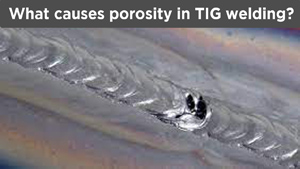
Let me start with a quick moment of honesty—when I first began learning TIG welding, this exact question came up more than once. I remember standing in my garage workshop, curious and wondering if I could skip the shielding gas step to save time or money.
TIG welding already involves a bunch of setup and gear. Wouldn’t it be nice if we could just eliminate one of those pieces?
Phot by canadianmetalworking
As I dug deeper, practiced more, and spoke with experienced welders, I realized the answer is much more complex than a simple yes or no. So if you’re here wondering, “Can you TIG weld without shielding gas?” then sit back.
I’ve got a full breakdown for you—from why shielding gas is used to what happens if you skip it, and everything in between. I’ll explain it the way I’d explain it to a friend sitting next to me in the workshop. Let’s get started and really break this down.
Why Shielding Gas Is Used in TIG Welding
Shielding gas is not just an optional step in TIG welding. It’s essential.
The main reason shielding gas is used is to protect the weld area from atmospheric contamination. When you strike an arc during TIG welding, the heat melts the base metal and forms a molten pool. If that pool gets exposed to air, especially oxygen and nitrogen, you’ll run into a whole bunch of issues like:
- Porosity (tiny gas bubbles in your weld)
- Oxidation (ugly and weak welds)
- Brittle or cracked joints
- Poor arc stability
Argon is the most common shielding gas used in TIG welding. Sometimes it’s mixed with a bit of helium, depending on the metal and job. The gas flows from your tank, through the torch, and out over the weld area to create a protective cloud.
What Happens If You Try TIG Welding Without Shielding Gas
I’ve tried this myself, just to see what would happen—and trust me, it wasn’t pretty.
Without shielding gas, the arc quickly becomes unstable. The tungsten electrode oxidizes and degrades fast. You’ll hear weird noises, and your weld will look rough, black, and bubbly. It’s not just a cosmetic problem either. These welds are structurally weak and often unusable.
Let me paint a picture.
Imagine you’re welding a clean piece of stainless steel. You strike an arc without gas. The tip of your tungsten turns black within seconds. The arc sputters and wanders. The weld bead looks like burnt toast. That’s what you’re dealing with when you go without shielding gas.
So while it might be technically possible to strike an arc, you won’t get a usable weld.
Is There Any Situation Where You Can Skip the Shielding Gas?
In TIG welding specifically? No, not really.
Here’s where some of the confusion comes in—some other welding processes don’t always need shielding gas.
Flux-cored arc welding (FCAW), for example, uses a special wire that contains flux inside. This flux creates its own gas shield when burned, so you can weld without an external gas tank.
Stick welding (SMAW) works the same way. The electrode is coated with flux, and it protects the weld area when it melts.
TIG welding is different. It doesn’t have any flux in the electrode. The tungsten is non-consumable, and the filler rod doesn’t have shielding properties either. That means shielding gas is your only protection.
Misunderstandings About Shielding Gas in TIG Welding
Over the years, I’ve heard a few myths floating around about shielding gas in TIG welding. Let’s clear some of those up.
Myth 1: I can weld mild steel without gas if I’m indoors and it’s not windy.
This might sound logical at first. If the air is still, maybe it won’t disturb the arc, right? But the problem isn’t wind—it’s the oxygen and nitrogen already in the air. Even indoors, they’ll ruin your weld if you don’t use shielding gas.
Myth 2: I can use a different welding process and call it TIG.
Nope. TIG (Tungsten Inert Gas) welding is defined by its use of a tungsten electrode and inert shielding gas. If you skip the gas, it’s not TIG anymore.
Myth 3: I can use CO₂ or some other cheap gas instead of argon.
This one is dangerous. CO₂ is reactive and used in MIG welding, not TIG. It can damage your tungsten and give you poor-quality welds. Stick to pure argon unless you know exactly what you’re doing.
TIG Welding vs Flux Core: Why It Matters for This Question
A lot of folks new to welding mix up TIG and flux-core welding. And I totally get it—they both use electric arcs, wires, and torches. But the process behind each one is entirely different.
| Feature | TIG Welding | Flux-Cored Welding (FCAW) |
|---|---|---|
| Shielding method | Inert gas (argon) | Flux in wire creates gas |
| Electrode type | Non-consumable tungsten | Consumable wire |
| Cleanliness | Extremely clean | Moderate cleanup required |
| Weld quality | High precision, clean | Good penetration, less finesse |
| Can you skip gas? | No | Yes (if wire is self-shielded) |
So if you’re looking for a way to weld without shielding gas, your answer isn’t TIG—it’s to switch to a different welding process that supports that.
What Will Happen to Your Equipment Without Shielding Gas
Let me tell you—running TIG without gas doesn’t just ruin your weld. It can also mess up your tools.
The tungsten electrode gets dirty and eroded very fast. You’ll be sharpening it constantly, and that adds time and cost.
Your torch nozzle will get clogged with metal spatter and oxidation residue. You might even damage your power supply if the arc becomes unstable.
That’s why I always say—don’t experiment with skipping gas unless you’re okay with replacing parts and wasting time.
Can You Use a Substitute for Argon in TIG Welding?
Now this is an interesting question.
Some welders do use helium or helium-argon mixes. Helium gives hotter arcs and faster travel speeds, which is helpful for thicker metals. But helium is also more expensive and harder to control.
Nitrogen, CO₂, and oxygen? Definitely not good for TIG. These gases will contaminate your tungsten and weaken your welds. Always stick with inert gases—argon being the most reliable.
If you’re on a tight budget, consider renting a smaller tank or finding a local gas supplier who does refills at a fair price. There are also hobby kits that come with disposable argon bottles if you just want to practice.
Best Practices for Using Shielding Gas in TIG Welding
If you’re going to do it, do it right. Here are some tips I follow to make sure I’m getting the best gas coverage during TIG welding:
- Use a gas lens: This helps spread the gas more evenly across the weld area.
- Set the right flow rate: Usually between 15–20 CFH (cubic feet per hour), depending on your torch and cup size.
- Keep your torch angle shallow: Around 10–15 degrees to keep the shielding cloud over the weld puddle.
- Avoid drafts: Even a ceiling fan can blow away your gas and ruin your weld.
- Purge stainless steel pipes when needed: For critical work, back purging helps protect the underside of your weld.
Getting in the habit of these small details can make a big difference in your weld quality.
What to Do If You Accidentally Run Out of Shielding Gas Mid-Weld
Let’s say you’re halfway through a beautiful weld and then—pffffft. The gas runs out.
Here’s what you should do:
- Stop immediately. Don’t try to continue.
- Let the tungsten cool down before inspecting it.
- Grind or replace the tungsten if it’s oxidized or blackened.
- Restart the weld only after replacing the gas cylinder and purging the line.
If you try to “push through,” you’ll waste your time and material. Always check your cylinder levels before starting a job.
Is It Safe to TIG Weld Without Gas?
Technically? It’s not dangerous in the explosive sense—but it’s definitely not smart. Here’s why:
- You’ll produce harmful metal fumes because of oxidation.
- You could ruin expensive materials.
- You risk exposing yourself to UV rays from an unstable arc.
- You might even damage your machine if the arc goes wild.
Always wear proper protective gear and make sure your ventilation is good—especially if your shielding gas runs out and you don’t realize it right away.
Conclusion
So, back to the question—can you TIG weld without shielding gas?
The short, honest answer is no. You can’t. Shielding gas is absolutely necessary for TIG welding to work properly. It protects your weld, your equipment, and your health. Without it, the process simply falls apart.
If you’re looking for a way to weld without gas, your best bet is to explore flux-core or stick welding. But if you want the clean, beautiful precision that TIG welding offers, then you’ll need to invest in shielding gas. Trust me—it’s worth it.
FAQs
Can I use flux core wire for TIG welding?
No, TIG welding does not use flux-cored wire. It uses a non-consumable tungsten electrode and a separate filler rod. Flux-core is for MIG or FCAW processes.
What gas can I use instead of argon for TIG?
You can use helium or a helium-argon mix in some advanced applications, but pure argon is the safest and most common for most TIG welding jobs.
What happens if shielding gas runs out during a weld?
Your arc will become unstable, and your weld will oxidize and crack. Always stop immediately and fix the gas supply before continuing.
Can you weld aluminum without shielding gas using TIG?
No. Aluminum is very reactive, and TIG welding it without shielding gas will cause severe oxidation and result in weak, unusable welds.
Why is my tungsten turning black?
This usually means you’re not getting proper shielding gas coverage. Check your gas flow, torch angle, and ensure there are no leaks in your hose or fittings.