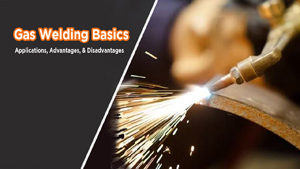
Gas welding can look easy until you’re standing at the bench with a torch in your hand, adjusting the flame while the metal starts heating faster than you expected. I’ve overheated joints, warped thin sheet, and learned the hard way that the gas combination and flame type make all the difference.
Understanding the different types of gas welding is critical for controlling heat, improving weld quality, and staying safe on the job.
After years of working with oxy-acetylene and other gas setups, I’ve learned which methods work best for specific metals, thicknesses, and repair jobs. In this guide, I’ll break down each type of gas welding in practical terms and show you when to use them, so you can get cleaner welds and more predictable results every time.

Photo from bietc
What is Gas Welding and Why Should You Care?
Gas welding, at its core, is a process where you use a flame from combusting fuel gases with oxygen to heat and fuse metals. It’s different from arc welding because there’s no electricity involved—just pure flame power. The torch mixes the gases, and you direct the heat to melt the edges of your workpieces, sometimes dipping in a filler rod to build the joint.
Why does this matter in your daily welding? For one, it’s incredibly versatile for materials like steel, aluminum, copper, and brass, which you’ll encounter in everything from automotive repairs to HVAC installations. In my experience, it’s saved my bacon on jobs where I needed precise control to avoid distorting thin metals.
Safety-wise, understanding gas welding helps you spot hazards like improper flame settings that could lead to flashbacks or weak welds compromising structural integrity. And cost-wise, the setup is cheaper than MIG or TIG rigs, making it ideal for hobbyists or small shops watching the budget.
Practically speaking, always start with clean materials—rust or oil can ruin your puddle. I once rushed a repair on a rusty exhaust pipe and ended up with porosity that leaked; lesson learned: take five minutes to grind it clean. For machine settings, regulators are your best friend—set oxygen to 20-30 psi and acetylene to 5-10 psi for most torches, but test on scrap first.
The Basics of Oxy-Acetylene Welding
Oxy-acetylene welding is the go-to type for many of us in the welding world. It combines oxygen and acetylene gases to produce a super-hot flame that can reach up to 5,600°F, melting metals for fusion.
How does it work? You hook up two cylinders—one oxygen, one acetylene—to regulators and hoses leading to a torch. The gases mix in the torch head, and you ignite them to form a flame. Adjust the valves for the right flame type, then heat the joint until the metals puddle and flow together. Add a filler rod if needed for extra material.
Use this when working on thin steels, cast iron, or non-ferrous metals like brass. It’s perfect for auto body work or pipe fitting where you need mobility without power. I’ve used it to weld up custom brackets for trailers, and it beats electric methods for outdoor jobs.
One practical tip: Always crack the cylinder valves slowly to avoid regulator damage. I remember a trainee who cranked it open too fast and blew a gauge—expensive mistake. For prep, bevel edges on thicker stock for better penetration, and keep your torch at a 45-degree angle for even heat.
Common pitfalls? Overheating leads to warping; fix it by using a neutral flame and moving steadily. If your weld beads look bubbly, check for leaks in hoses—porosity killers.
Step-by-Step Guide to Setting Up Oxy-Acetylene Equipment
First, secure your cylinders upright with chains—safety first, folks. Attach regulators: oxygen to the green hose, acetylene to the red. Tighten with a wrench, but don’t overtighten.
Next, open the acetylene valve a quarter turn and set the regulator to 5 psi. Do the same for oxygen at 20 psi. Connect to the torch, then bleed the lines by opening torch valves briefly to clear air.
Ignite with a striker: Open acetylene valve slightly, light it, then add oxygen for a neutral flame—sharp inner cone, no soot. Test on scrap metal.
For welding, position your pieces with clamps, start the puddle at the joint’s end, and weave the torch in circles while dipping the filler rod. Let it cool slowly to avoid cracks.
Pros and Cons of Oxy-Acetylene Welding
Here’s a quick comparison:
| Aspect | Pros | Cons |
|---|---|---|
| Heat Control | Excellent for precise work on thin materials | Can overheat and warp if not careful |
| Cost | Low initial setup, no electricity needed | Gases can add up over time |
| Versatility | Works on many metals, great for repairs | Slower than arc methods for thick stock |
| Portability | Easy to move around the shop or field | Requires handling heavy cylinders |
In my shop, the pros outweigh the cons for most hobby projects.
Exploring Air-Acetylene Welding
Air-acetylene welding swaps oxygen for plain air, mixing it with acetylene for a softer flame around 4,500°F. It’s simpler since you only need one cylinder.
The process: Acetylene from the cylinder mixes with ambient air at the torch tip, creating a flame for heating. No separate oxygen tank means less hassle.
Opt for this when soldering or brazing soft metals like copper pipes in plumbing. It’s common in HVAC work where high heat isn’t necessary. I’ve fixed leaky AC lines with it—quick and clean.
Tip: Use a larger tip for even heat distribution. Prep by fluxing the joint to prevent oxidation. Mistake to avoid: Too much air flow can make the flame unstable; adjust slowly.
For settings, keep acetylene at 3-5 psi. It’s cost-efficient for light duty, but don’t expect deep penetration on steel.
Diving into Oxy-Hydrogen Welding
Oxy-hydrogen welding uses hydrogen as the fuel mixed with oxygen, producing a clean, carbon-free flame up to 4,000°F.
How it operates: Similar to oxy-acetylene, but hydrogen replaces acetylene for a quieter burn. Gases mix in the torch for fusion.
This is your pick for specialty jobs like welding aluminum or lab glasswork where no carbon residue is wanted. Underwater applications too—I’ve seen it in marine repairs.
Practical insight: Hydrogen is pricier, so reserve it for precise needs. Anecdote: Early in my career, I tried it on aluminum bike frames and loved the clean results, but watch for hydrogen embrittlement in steels.
Common fix: If welds crack, reduce heat input. Prep with thorough cleaning; no oils allowed.
Propane and Butane Gas Welding Variants
Propane or butane welding, often with oxygen, gives a flame around 3,500°F, suitable for brazing rather than full welding due to its oxidizing nature.
The mechanics: LPG (liquefied petroleum gas) from a tank mixes with oxygen in the torch. It’s like oxy-acetylene but cheaper.
Use it for cutting, heating, or brazing metals like brass. Great for shop heating bends or farm tool repairs. I keep a propane setup for quick tasks—saves on acetylene costs.
Tip: Add flux for better flow. Mistake: Don’t use for welding steel; it rusts the joint. Settings: Oxygen 10-20 psi, propane 5 psi.
MAPP gas, a propane variant, burns hotter at 5,300°F for similar uses but with more punch.
Understanding Pressure Gas Welding
Pressure gas welding heats metal ends with a gas flame, then presses them together without filler.
Process: Clamp pieces, heat contact points to red-hot, apply pressure to forge the bond.
Ideal for joining rods or rails, like rebar in construction. It’s strong for load-bearing apps. I’ve used it on fence posts—solid results.
Advantage: No filler means cleaner joints. Drawback: Needs machinery for pressure. Tip: Ensure even heating; uneven temps cause weak spots.
Gas Welding Techniques Every Welder Should Know
Techniques make or break your welds. Forehand welding points the flame forward, great for thin sheets—preheats the path.
Backhand directs flame back on the weld, better for thick plates with deeper penetration. I switch based on material; backhand saved a heavy bracket job once.
Puddle formation: Circle the torch to melt equal parts from each side. Add filler by dipping into the puddle—don’t force it.
Tip: Weave in semicircles for even beads. Common mistake: Rushing the puddle leads to cold laps; slow down and watch the flow.
Flame Types and How to Adjust Them
Flames vary by gas ratio. Neutral: Equal mix, clean burn for steel—no smoke.
Carburizing: Extra fuel, good for alloys; adds carbon for hardness.
Oxidizing: Extra oxygen, hot but risky for rust—use on copper.
Adjust valves: Start with acetylene sooty, add oxygen till cone sharpens. I test on scrap; wrong flame ruined a brass fitting once—oxidizing etched it.
Essential Equipment for Gas Welding
Cylinders: Oxygen in green, fuel in red—store upright, chained.
Regulators: Control pressure; check gauges daily.
Torches: Mixing chamber key; clean tips with wire.
Hoses: Inspect for cracks; color-coded to avoid mix-ups.
Filler rods: Match base metal; RG45 for mild steel.
Personal story: Skimped on a regulator once, pressure spiked—nearly a disaster. Invest in quality.
Safety Considerations in Gas Welding
Safety isn’t optional. Always wear wool clothing, gloves, and shaded goggles—IR rays burn eyes.
Ventilate: Fumes from fluxes are nasty; use fans or exhaust.
Handle cylinders carefully: No dragging; roll on edges.
Fire watch: Keep extinguisher handy. I had a spark ignite rags—quick action saved the shop.
Check for leaks with soapy water; bubbles mean trouble.
PPE: Flame-proof apron, long sleeves. Avoid synthetics—they melt.
Common Mistakes in Gas Welding and How to Fix Them
Overheating: Warps metal; fix by pulsing heat.
Poor prep: Contaminants cause porosity; always grind clean.
Incorrect flame: Oxidizing rusts welds; switch to neutral.
Inconsistent speed: Uneven beads; practice steady motion.
I botched a pipe joint with dirty rod once—rewelded after cleaning. Test settings on scrap always.
Comparing Different Types of Gas Welding
Here’s a table to help choose:
| Type | Flame Temp (°F) | Best For | Pros | Cons |
|---|---|---|---|---|
| Oxy-Acetylene | 5,600 | Steel, brass | High heat, versatile | Needs two cylinders |
| Air-Acetylene | 4,500 | Soldering copper | Simple, one cylinder | Lower heat |
| Oxy-Hydrogen | 4,000 | Aluminum, glass | Clean burn | Expensive gas |
| Propane/Butane | 3,500 | Brazing, cutting | Cheap fuel | Oxidizing flame |
| Pressure Gas | Varies | Rods, rails | No filler | Requires press |
Pick based on your job—oxy-acetylene for most.
Real-World Applications in the US Welding Scene
In US shops, gas welding fixes exhausts per ASME codes or fabricates per AWS standards. For DIY, it’s trailer hitches; pros use for pipeline under API rules.
Examples: Welding farm gates in rural areas, or HVAC in buildings. Material handling: Store gases per OSHA—separate oxygen and fuel.
Joint prep: Bevel for butt joints, lap for sheets.
Conclusion
We’ve covered the different types of gas welding from oxy-acetylene to pressure methods, along with techniques, safety, and tips that’ll help you tackle projects with confidence. You’re now better equipped to pick the right process for your materials, ensuring strong, safe welds that hold up in real life—whether it’s a hobby build or pro job.
Always practice on scrap; it’s the fastest way to dial in your skills and avoid costly do-overs. Keep welding, stay safe, and enjoy the sparks!
What are the main flame types in gas welding?
The three key flames are neutral (equal gases for clean steel welds), carburizing (extra fuel for alloys), and oxidizing (extra oxygen for copper). Choose based on material to avoid defects like rust or weak bonds.
Is gas welding suitable for beginners?
Absolutely, it’s straightforward without electricity, but start with safety training. Practice puddle control on thin scrap, and you’ll build skills fast for DIY repairs.
What gases are commonly used in gas welding?
Oxygen pairs with fuels like acetylene for hot flames, or propane for brazing. Always use compatible regulators and store separately per safety guidelines.
How do I avoid porosity in gas welds?
Clean your materials thoroughly, use the right flame, and check for gas leaks. Steady technique prevents air pockets—I’ve fixed many by just slowing down.
When should I use filler rods in gas welding?
For stronger joints on gaps or thicker metals. Match the rod to your base material, like RG60 for steel, and dip it smoothly into the puddle for even fusion.