
Let me tell you a little story that got me curious about super glue fuming. I was watching a crime documentary late one night, and the investigators revealed fingerprints from a gun using something that looked like smoke in a chamber.
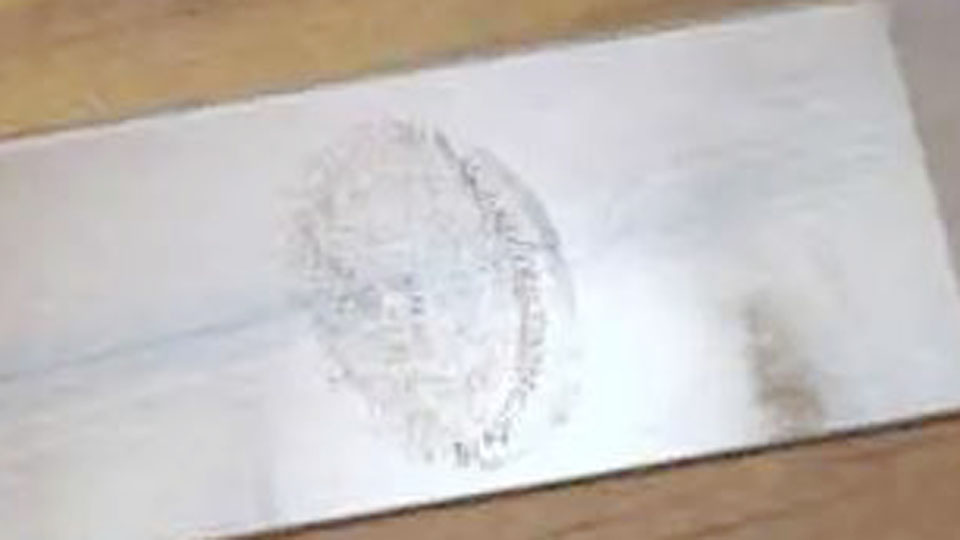
Photos by makezine
I had no idea what was happening, so I dug deeper and found myself captivated by the science behind it. That mysterious method is called super glue fuming, or more scientifically, cyanoacrylate fuming. It turns out, this technique has been a game-changer in forensic science for decades.
If you’re interested in learning how super glue fuming works, especially from someone who’s already looked into every detail, you’re in the right place.
If you’re just curious, studying forensics, or involved in metalwork or security work where this could come in handy, I’m going to walk you through everything you need to know.
This article is written to be super easy to understand, but I’ve packed it with real information. So sit back, grab a cup of coffee, and let’s talk about how this magical process reveals invisible fingerprints and why it’s such a powerful tool.
What Is Super Glue Fuming?
Super glue fuming is a technique used to make latent (invisible) fingerprints visible. It’s mostly used in forensic labs, but it’s also seen in field investigations.
This method uses the vapors of cyanoacrylate—yes, the same chemical in your regular super glue—to react with the moisture and oils left behind in a fingerprint. Once the vapor settles on the print, it forms a white, hardened residue that shows the print clearly.
It’s an impressive process that doesn’t damage the surface and can preserve the fingerprint for future analysis. And while it sounds high-tech, the basic idea is pretty simple.
Science Behind Super Glue Fuming
Here’s the cool part. Cyanoacrylate (super glue) is a fast-acting adhesive. When it’s heated, it releases fumes that react with the amino acids, fatty acids, and moisture found in human sweat. Our fingers naturally leave these on any surface we touch.
When the vapor hits these residues, it begins to polymerize. In plain English, that means the glue fumes form a thin, hard coating exactly where the fingerprint residue is. So the print appears in a ghostly white image on the surface.
It’s a bit like fog revealing the shapes of trees in a forest—you can’t see the trees clearly when it’s clear, but once the fog surrounds them, their shape becomes visible.
Here’s a simplified breakdown:
| Component | Role in the Process |
|---|---|
| Cyanoacrylate | The super glue that vaporizes and reacts with fingerprint residue |
| Heat or Humidity | Triggers the glue to release vapor |
| Fingerprint residues | The oils and moisture that attract the vapor |
| Polymer coating | The hardened layer that forms the visible fingerprint |
Why Super Glue Fuming Is So Useful
The biggest reason this method is so widely used is because it’s non-destructive. It doesn’t damage the fingerprint or the surface it’s on, which is a big deal in forensic science.
It also works on a wide range of non-porous surfaces like:
- Glass
- Metal
- Plastic
- Painted wood
- Ceramics
So if someone touches a gun, a doorknob, a cell phone, or even a plastic bag, there’s a good chance super glue fuming can help uncover their fingerprints.
Tools and Equipment Needed for Super Glue Fuming
While you don’t need a full laboratory to do this, professionals often use special fuming chambers. These chambers are designed to control the heat and humidity, giving the best chance for the fingerprints to develop clearly.
Here’s a list of basic tools typically used:
- Cyanoacrylate (super glue)
- Fuming chamber (glass or acrylic box)
- Humidity source (like a warm water dish or humidifier)
- Heat source (heating pad or hot plate)
- Tongs or gloves for safety
- Ventilation or fume extractor (optional but recommended)
The more controlled the environment, the better the print quality. If you’re doing this in a professional setting, using a commercial fuming chamber is ideal.
Step-by-Step: How Super Glue Fuming Works
Now let me walk you through the full process like I’m right beside you, showing you how it’s done. It’s honestly fascinating to watch this in action.
Step 1: Preparing the Chamber
Set up a container that’s large enough to hold the object you’re trying to test for fingerprints. If you’re working with something like a handgun or a phone, make sure it can be placed without touching the sides.
Step 2: Adding Humidity
Add a small bowl of warm water inside the chamber. This increases humidity, which is important because fingerprint residue needs some moisture for the vapor to stick to it effectively.
Step 3: Placing the Evidence
Carefully place the object with possible prints inside the chamber. Use gloves or tongs to avoid adding new prints. Position it so that the suspected areas are exposed to the air inside the chamber.
Step 4: Introducing the Super Glue
Place a few drops of super glue on a disposable foil dish or a heat-safe container inside the chamber. Then apply gentle heat underneath it. This will cause the glue to start vaporizing.
Step 5: Watching the Reaction
Now comes the fun part—watching the reaction happen. Within 10 to 30 minutes, depending on the chamber size and conditions, you’ll see white or light-colored prints starting to appear on the surface of the object.
Step 6: Stopping the Process
Once the fingerprints are visible and well-formed, remove the heat source and ventilate the chamber. Take out the object and store it properly for analysis or photography.
That’s it! The process feels almost like a magic trick, but it’s all based on simple science and a lot of careful handling.
Safety Tips You Should Know
Let me emphasize that while this process sounds easy, there are some safety concerns to keep in mind:
Ventilation is crucial. Super glue vapors can irritate your eyes, throat, and lungs. Always use this method in a well-ventilated area.
Avoid skin contact. Cyanoacrylate bonds skin almost instantly. Wear gloves when handling it.
Don’t overheat. Too much heat can cause the glue to burn or produce too much vapor, which can be hazardous.
Keep water away from glue drops. If water spills into the glue, it can cause an aggressive reaction that may lead to burns or injuries.
If you’re trying this at home or in a smaller lab setting, just take it slow and be cautious.
Types of Surfaces That Respond Best
From my own research and seeing it in action, here are the kinds of materials where super glue fuming tends to work beautifully:
| Surface Type | Reaction Quality |
|---|---|
| Glass | Excellent |
| Plastic | Excellent |
| Metal | Very good |
| Painted wood | Good |
| Ceramic | Good |
| Paper or Fabric | Poor (not recommended) |
For porous surfaces like paper or fabric, other fingerprint development methods like ninhydrin or powder are better suited.
Enhancing the Prints After Fuming
Sometimes, after fuming, the prints aren’t very clear. That’s okay—it happens. In those cases, forensic experts often use dyes or powders to enhance them.
Here are some enhancement methods:
- Fluorescent dye staining – Makes the print glow under a UV light.
- Powder dusting – Adds contrast to faint prints.
- Photography – Using angled lighting to capture the prints clearly.
These extra steps help make sure the fingerprints can be documented and compared accurately.
Common Mistakes to Avoid
I’ve learned a few lessons from watching real experts and reading up on failed attempts. Here are some common mistakes to avoid:
- Over-fuming: Too much vapor can obscure the print or make it blurry.
- Not enough humidity: Dry air will cause the reaction to fail or only develop partial prints.
- Touching the surface before fuming: You might smudge or add prints accidentally.
- Using the wrong glue: Only use pure cyanoacrylate, not gel-based or industrial mixes with additives.
Real-World Uses of Super Glue Fuming
Though most people know about this from crime shows, it’s not just limited to homicide scenes or high-profile cases.
It’s used in:
- Burglary investigations – Fingerprints on window frames or broken glass.
- Vehicle theft – On door handles or dashboards.
- Cybercrime – On keyboards, USB drives, or phones.
- Military and security checks – To trace contact on weapons or equipment.
So even if you’re in a different field, knowing how super glue fuming works can come in handy in all sorts of situations.
My Final Thoughts
Learning how super glue fuming works really opened my eyes to how much science is behind everyday objects like glue.
What amazed me most was how such a simple item, found in almost every home, could play such a critical role in crime-solving. It’s not just glue—it’s a forensic tool that helps reveal hidden stories left behind by fingerprints.
If you’re fascinated by forensics, working in law enforcement, or just enjoy learning something cool and practical, this method is a perfect example of chemistry at work. And you don’t need to be a lab tech to appreciate the magic behind it.
Frequently Asked Questions
What kind of glue is used for super glue fuming?
The glue used is cyanoacrylate, which is the main ingredient in most commercial super glues. It must be pure for best results.
Can I do super glue fuming at home?
Yes, but with caution. Make sure the area is well-ventilated and use protective gear like gloves and goggles. It’s best for educational use and not on actual evidence.
Does this method damage the fingerprint?
No, super glue fuming is non-destructive. In fact, it preserves the fingerprint better than some other techniques.
How long does the fingerprint stay visible after fuming?
The fingerprint can remain visible for weeks or even months, especially if stored properly in a dry, sealed container.
Can I use super glue fuming on paper?
Not really. Paper is porous and absorbs the fingerprint residues, making it hard for the vapor to react with them. Other methods work better on porous surfaces.
Why is humidity important in this process?
Humidity helps keep the fingerprint residues moist. Without moisture, the cyanoacrylate vapor has nothing to react with.
How long does the fuming process take?
Usually between 10 to 30 minutes. Larger chambers or cooler environments may take longer.
Is super glue fuming better than fingerprint powder?
It depends on the surface. For non-porous surfaces like plastic and metal, super glue fuming provides more durable and detailed results.


