
Welding is something I’ve done for years, and I’ve worked with all sorts of metals in all kinds of conditions. One question I hear from fellow welders and even beginners pretty often is, “Can you arc weld chrome plated steel?” And to be honest, that’s a great question.
It’s not as straightforward as welding regular steel or mild carbon steel. Chrome plating brings some challenges to the table.
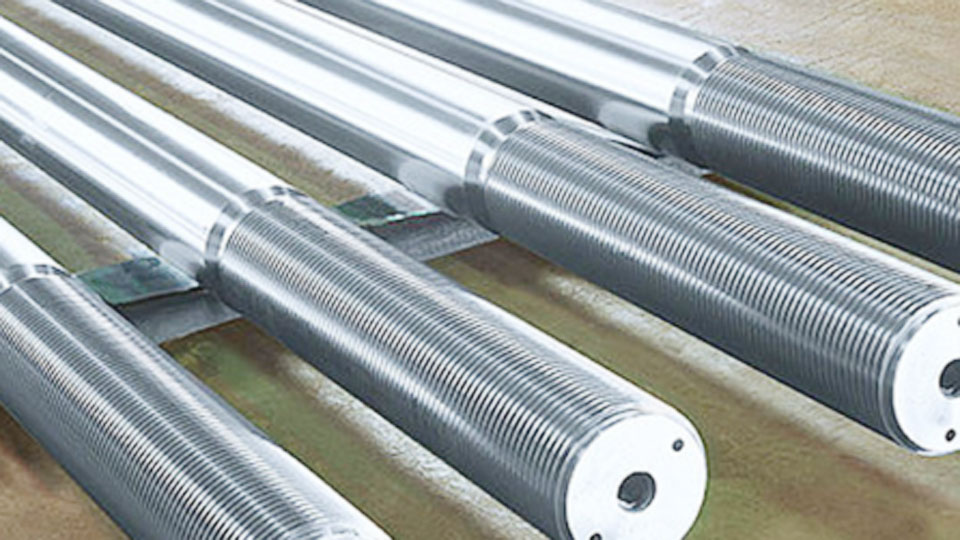
Photo by thepipingmart
If you’re sitting beside me, curious about this, let me walk you through everything I’ve learned about it—what it is, why it’s tricky, and what you should do if you really need to weld chrome plated steel. Stick with me, and I’ll make it clear, simple, and useful.
Chrome Plated Steel
Before we even strike an arc, it’s important to understand what we’re dealing with. Chrome plated steel is just that—regular steel that has been coated with a thin layer of chromium.
This chrome layer isn’t just for show. It gives the surface a shiny, attractive look, yes, but more importantly, it provides corrosion resistance, surface hardness, and wear resistance.
People often use chrome plated parts in automotive, machinery, and decorative applications. Bumpers, tools, hydraulic rods—you’ll see it in many places.
But here’s the issue: that chrome coating can become a real problem when you’re trying to weld.
Why Welding Chrome Plated Steel is Challenging
The main challenge with arc welding chrome plated steel comes down to the chrome itself. Chromium has a much higher melting point than steel, and it behaves differently when heated. It also produces hazardous fumes when exposed to the high temperatures of welding.
Here are the main concerns:
Toxic Fumes: Chromium turns into hexavalent chromium (Cr6) when heated. That stuff is extremely toxic if inhaled and is considered a serious health hazard.
Poor Weld Quality: The chrome coating can interfere with arc stability and prevent proper fusion of the base metal. You might get porosity, cracking, or even complete weld failure.
Contamination: The melted chrome can contaminate the weld pool and make it brittle.
Arc Instability: The arc might behave erratically due to inconsistent conductivity through the chrome coating.
So yes, you can physically strike an arc and weld it, but whether you should do it without prep—that’s another story.
Do You Need to Remove the Chrome First?
The honest answer is yes, always remove the chrome plating before welding. It’s not optional if you want a strong, safe weld.
To do this, you’ll want to grind or sand away the chrome layer in the area you plan to weld. Make sure to get past the chrome and down into the base steel. That way, you’re welding clean, bare metal.
Also, don’t forget that chrome may not just sit on the surface—it can sometimes penetrate slightly into the steel, depending on how it was applied. Make sure you grind enough to get a clean surface without thinning the part too much.
Safety First – Dealing with Toxic Fumes
If you’re welding any metal that has chrome on it—even if you’re just cleaning it off with a grinder—you have to think about safety.
Hexavalent chromium fumes are no joke. Long-term exposure can lead to serious health issues, including lung cancer.
You need to weld in a well-ventilated area, ideally with a fume extraction system. Wear a proper respirator that’s rated for metal fume filtration, not just a dust mask.
Also, keep the grinding dust under control. That stuff can be just as hazardous if you breathe it in while prepping the material.
What Type of Arc Welding Works Best?
If you’ve got clean, chrome-free base steel, and you’re ready to weld, then you can use shielded metal arc welding (SMAW), which most people call stick welding. It works fine for small jobs, repairs, or outdoor conditions.
For better control and cleaner results, especially on thinner materials, TIG welding (GTAW) is a better choice. It gives you more precision and a neater bead. MIG welding (GMAW) can also work well, especially if you’re doing fabrication or production work.
The key is that the chrome has to be removed. Otherwise, you’re fighting an uphill battle.
Welding Procedure After Chrome Removal
Once you’ve removed the chrome, the welding process becomes much more predictable. Here’s what I usually do:
- Clean the surface thoroughly after grinding. Use a wire brush and degreaser to get rid of any residue or dust.
- Choose the right electrode or filler rod. For stick welding, a 7018 or 6011 rod can work well. For TIG, use ER70S-2 or ER70S-6 depending on the steel grade.
- Control the heat input. Since the steel was previously chrome plated, it might still have some altered properties, so try not to overheat the joint. Excessive heat can cause warping or cracking.
- Use proper ventilation. Even if you’ve removed the chrome, better safe than sorry.
- Inspect the weld carefully. Look for cracks, porosity, or anything unusual. If something doesn’t look right, stop and fix it.
Welding Chrome Plated Parts vs Welding Chrome Alloy Steels
Let me make a clear distinction. There’s a difference between chrome plated steel and chrome alloy steel.
Chrome plated steel is regular steel with a chrome coating.
Chrome alloy steels, like stainless steel or high-chromium tool steels, have chromium mixed into the steel itself as an alloying element.
These can definitely be arc welded, but the process is different. You’ll use specific rods and procedures to avoid problems like hot cracking or loss of corrosion resistance.
If you’re working with chrome plated steel—clean off the chrome and weld it like carbon steel. If it’s an alloy steel, look up the exact alloy and follow a welding procedure for that grade.
What Happens If You Weld Over Chrome Without Cleaning It?
If you try to weld directly over the chrome plating without removing it, a few things might happen—and none of them are good:
- The weld may crack or fail under stress
- The arc could jump and sputter unpredictably
- You’ll be exposed to highly toxic fumes
- The weld won’t penetrate well into the base metal
- The joint may be brittle and structurally weak
I’ve seen welds break clean off after just a little stress because the person didn’t clean the chrome off first. It’s not worth the shortcut. You’re not saving time—you’re setting yourself up for failure.
Tips for Better Welds on Formerly Chrome Plated Parts
I’ve picked up some tricks along the way that can help if you’re working with chrome-plated parts:
- Grind beyond the visible chrome. Go wide enough to avoid any contamination in the heat-affected zone.
- Back-step welding can reduce distortion and heat buildup.
- Preheat thick parts to around 250°F–350°F to reduce the risk of cracking.
- Post-weld cleaning and inspection are critical. If you’re going to re-chrome the part afterward, the weld must be smooth and clean.
When Not to Weld Chrome Plated Steel
There are times when welding chrome plated parts just isn’t the best option. If you’re working with a part that’s purely decorative—like a bumper or trim—it might be better to replace it. Sometimes re-chroming after welding isn’t cost-effective or practical.
If the part is in a highly critical area where safety or strength is everything (think brake parts or suspension components), you might want to reconsider welding and look for an OEM replacement or machine a new part from solid material.
Common Applications Where Welding Chrome Plated Steel Might Come Up
Let’s take a look at some everyday scenarios where this question might pop up:
| Application | Chrome-Plated Part? | Weldable with Prep? | Re-Chrome Needed? |
|---|---|---|---|
| Motorcycle handlebars | Yes | Yes, with prep | Optional |
| Hydraulic cylinder rods | Yes | Rarely – avoid if possible | Usually required |
| Car bumpers (classic) | Yes | Yes, with prep | Often needed |
| Furniture legs/brackets | Yes | Yes, with prep | Not always |
| Tools (wrenches, etc.) | Sometimes | Not recommended | Not needed |
As you can see, the answer isn’t always yes or no. It depends on the application, the part, and what it needs to look and perform like afterward.
Conclusion
So, can you arc weld chrome plated steel? Yes, you can—but only if you do it the right way.
You need to remove the chrome layer, make sure you’re working with clean base metal, and always put safety first. Once the chrome is gone, you’re basically welding mild steel, and the usual techniques apply.
Never try to shortcut around the prep work. It might look like it’s working, but the weld will likely fail or become a health hazard. If you’re going to weld, do it right the first time. Take the time to prepare, protect yourself, and inspect the results.
I’ve made mistakes before and learned from them—and now I’m sharing what I know so you don’t have to go through the same trial and error. If you’re ever unsure, ask questions, take your time, and always prioritize quality and safety.
Frequently Asked Questions
Can I weld directly over chrome plating?
No, you should never weld directly over chrome plating. It creates toxic fumes and results in poor weld quality.
Is it safe to arc weld chrome plated steel?
It can be safe, but only if the chrome is removed first and proper ventilation and PPE are used.
What happens if you don’t remove the chrome before welding?
You risk weld failure, brittle joints, poor penetration, and exposure to dangerous hexavalent chromium fumes.
What is the best method to remove chrome before welding?
Grinding or sanding with a flap disc is the most common and effective way to remove chrome before welding.
Can you re-chrome a part after welding?
Yes, most parts can be re-chromed after welding, but the weld area must be smooth and clean to take the new finish well.
What welding process is best for chrome plated steel after chrome removal?
TIG welding offers the most control, but stick welding and MIG welding can work just fine depending on the part.
Let me know if you need help figuring out how to approach a specific part or project. I’ve probably run into the same thing before!


