I get this question a lot when folks find me tinkering in my shop. They point to an old cast‑iron bracket, eye an off‑cut of mild steel, and ask if my MIG machine can marry the two. The short answer is yes—but it comes with a basket of “ifs,” “buts,” and “pay‑attention‑tos.”
I’ve spent years testing joints, cracking a few along the way, and dialing in settings until the bond held firm. Today I’ll walk you through everything I’ve learned so you can tackle the job with confidence.

Image by reddit
Metals Before Striking an Arc
Cast iron is hard, brittle, and loaded with carbon. Steel—especially mild steel—has far less carbon, so it’s ductile and forgiving. Put them together and you’re balancing two personalities. Too much heat or the wrong filler and the cast iron can crack as it cools.
Too little heat and the steel side never fuses. Knowing this difference shapes every decision from preparation to post‑weld cooling.
Why Choose MIG for This Job?
I grew up believing stick or nickel TIG rods were the only safe route for cast iron. Then I tried modern MIG wire formulated for dissimilar joints.
The convenience floored me—no rod changes, steady wire feed, and easier out‑of‑position work. For small shops without TIG or specialty electrodes, a dialed‑in MIG rig opens the door to repairs that once went back to the foundry.
Selecting Filler Wire—Your Deal‑Maker
Grab the wrong wire and you’ll curse the day. I’ve tested three main options.
| Filler Wire | Core Alloy | Best Use Case | My Experience |
|---|---|---|---|
| ERNiFe‑Cl (Nickel‑Iron) | ~55% Ni | Thick castings, critical strength | Highest success. Pricey. |
| ER309L (Stainless) | ~24% Cr, 13% Ni | Light to medium loads | Good compromise. |
| ER70S‑6 (Mild Steel) | Low alloy | Non‑critical, temporary | Works but prone to cracking. |
I keep a small spool of ERNiFe‑Cl for life‑saving repairs and rely on ER309L for most everyday jobs. The stainless chemistry cushions thermal stresses, letting the iron relax instead of fracturing.
Preparing the Joint—The Hidden 70 Percent
Most failures trace back to bad prep, not bad welding. Here’s my ritual:
- Clean to bright metal. I grind two inches past the joint. No paint, grease, or graphite.
- Create a modest bevel. Sixty‑degree included angle for thick pieces; thirty for thin. I leave a small land so the arc doesn’t punch through the cast.
- Drill crack‑stop holes. If an existing crack lurks nearby, I drill 1/8‑inch holes at each end so it won’t run farther when heated.
- Preheat slowly. I aim for 350 °F on the cast iron side. A propane rosebud or an oven does fine. Even heat is everything; hot spots spell doom.
Dialing in Machine Settings
On my 240‑volt inverter MIG, I set 0.035‑inch ER309L wire to 18–19 volts and 160–170 ipm wire speed for 3/16‑inch stock. Shielding gas is 75/25 argon‑CO₂.
For thicker work and nickel wire, I bump to 20 volts. I always run in short‑circuit transfer. Spray transfer throws too much heat and globular feels like lava.
Welding Technique That Saved My Sanity
I stitch, pause, stitch. Each bead is about 1/2 inch long. After every stitch, I pull the gun away and let the puddle dim from orange to black. Sometimes I even touch the area with a needle‑nose plier to steal heat. This “skip‑weld” rhythm spreads heat and minimizes residual stress.
Peening and Post‑Heat—Insurance Against Cracks
While the last cherry glow fades, I tap the bead with a ball‑peen hammer. Gentle dimples relieve tension. When the part cools to around 200 °F, I wrap it in a fiberglass blanket or bury it in dry sand so it crawls back to room temperature overnight. Rush the cool‑down and cast iron will remind you who’s boss with a ping and a hairline fissure.
Common Pitfalls and How I Beat Them
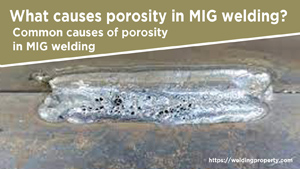
- Porosity in the cast side. Increase preheat and grind deeper to remove oil‑soaked pores.
- Undercut on the steel. Drop voltage a notch and weave slightly.
- Bead pulls away after cooling. You probably skipped the pause‑and‑peen routine. Slow down.
When I Still Say “No” to MIG
Some jobs are beyond MIG’s comfort zone—ultra‑high‑alloy castings, antique engine blocks where cosmetics matter, or sections thicker than 1 inch. Then I fall back on nickel stick electrodes or specialized TIG fusion with nickel buttering.
Real‑World Example From My Bench
Last winter a friend lugged in a cracked vise jaw—cast iron—wanting it fused to a new steel back plate. I beveled, preheated to 350 °F, ran ERNiFe‑Cl in 3/4‑inch stitches, peened, and slow‑cooled in vermiculite.
Six months later he’s still cranking on that vise with no hint of failure. That success started with patient prep, not just fancy wire.
Advantages of MIG Over Other Methods
- Speed. Continuous wire keeps you welding instead of swapping rods.
- Lower learning curve. Easier for beginners who already run MIG on steel.
- Cost‑effective for small shops. A single spool of stainless wire covers many joints versus cartons of specialty stick electrodes.
Disadvantages Worth Respecting
- Heat input control. MIG loves to pour heat. You must self‑govern.
- Equipment limits. Light‑duty 120‑volt machines struggle on thicker castings.
- Wire availability. Nickel MIG spools may require special ordering.
My Go‑To Checklist Before Striking the First Arc
- Material ID verified?
- Filler wire selected and loaded?
- Joint cleaned, beveled, and preheated?
- Machine settings tested on scrap?
- Cooling plan ready—blanket or sand?
If I can’t say yes to every line, I step back and fix the gap. That discipline has spared me many a Saturday redo.
Environmental and Safety Considerations
Cast iron dust is no friend to lungs. I always grind under extraction or outdoors with a respirator. During preheat, I watch for oily smoke, a sign the casting still hides contaminants.
Proper PPE—leather gloves, jacket, and face shield—goes without saying, but I’ll say it anyway because burns ruin good moods.
Cost Breakdown for the Curious
- ER309L stainless wire, 2‑lb spool: about $25.
- ER‑NiFe‑Cl nickel wire, 2‑lb spool: $60–$80.
- Propane preheat fuel: pennies compared to cracked castings.
When a replacement casting costs a couple hundred dollars—or is impossible to find—these consumables pay for themselves on the first job.
Tips for Hobbyists Without Industrial Ovens
I’ve used a cheap charcoal grill as a preheat chamber. Set the casting on firebrick, stoke a gentle bed of coals, and monitor temperature with an infrared thermometer. Keep the lid down to spread heat. It’s not glamorous, but it works in a pinch.
Final Thoughts on Strength and Longevity
A well‑executed MIG joint between cast iron and steel can match the parent metal in many applications. I’ve tested samples in a hydraulic press until the steel bent before the weld ruptured.
Every project carries its own risks. Inspect, test, and don’t cut corners because a blog told you it’s okay.
Conclusion
So, can you MIG weld cast iron to steel? Yes, and I do it regularly. Success depends on picking the right filler, calming the metal with preheat, stitching instead of streaming, and letting it cool like a sleeping baby.
Follow the steps I’ve shared, stay patient, and you’ll turn what once felt impossible into just another rewarding job in the shop.
Frequently Asked Questions
What shielding gas should I use?
I stick with 75/25 argon‑CO₂ for stainless and nickel wire. Straight CO₂ runs hotter and can promote cracking.
Do I always need to preheat cast iron?
Nearly always. Tiny brackets may survive without it, but anything thicker than 1/8‑inch thanks you for a 300–400 °F soak.
Can flux‑cored wire work instead of solid MIG wire?
Some nickel flux‑cored wires exist, but they’re harder to find and generate more spatter. I prefer solid wire with gas for cleaner results.
Why does my weld look dark and dull?
High carbon in cast iron mixes into the puddle. A dull bead is normal. If it’s porous, revisit your cleaning and preheat steps.
How do I test the weld before putting the part back to work?
I tap around the joint with a light hammer. A clear ringing tone means solid fusion. A dull thud hints at cracks. For critical parts, I do a dye‑penetrant test.