
If you have ever worked with aluminum bronze or are planning to weld it, you know how important it is to get it right. This unique alloy offers excellent strength, corrosion resistance, and durability, making it a top choice in many industries.
But welding aluminum bronze isn’t as simple as working with steel or other common metals. It requires the right techniques, filler metals, and precautions to ensure strong, defect-free welds.
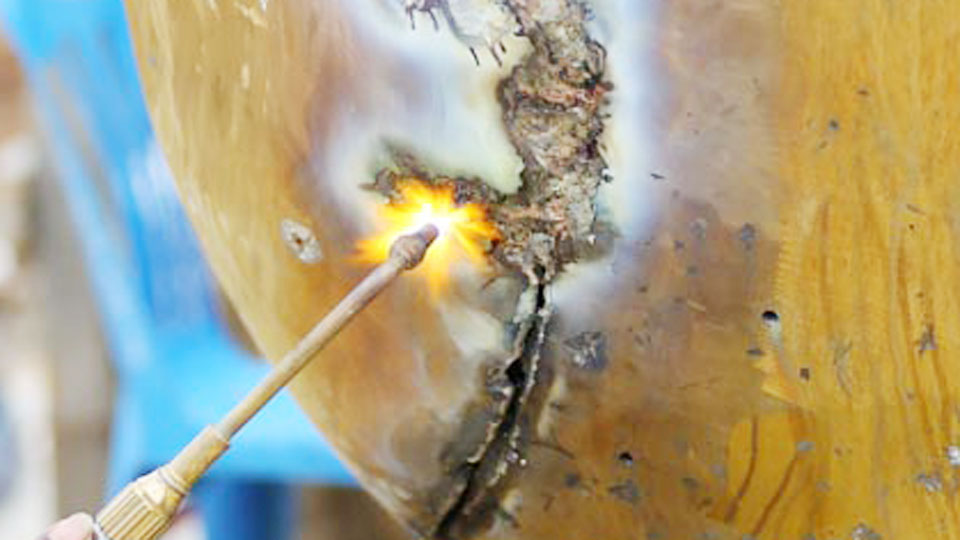
Image by ars-sprl
I’ve spent a lot of time understanding aluminum bronze welding, and in this guide, I’ll walk you through everything you need to know. If you’re a beginner or an experienced welder, this article will help you master the process and avoid common mistakes.
What Is Aluminum Bronze?
Aluminum bronze is a type of copper-based alloy that contains aluminum as the main alloying element. It is known for its excellent corrosion resistance, high strength, and wear resistance. These properties make it ideal for applications in marine environments, aerospace, and heavy industries.
This alloy can also contain small amounts of nickel, iron, or manganese to improve its mechanical properties. It has a golden or bronze appearance and is commonly used in components such as ship propellers, valves, bearings, and bushings.
Challenges of Welding Aluminum Bronze
Welding aluminum bronze is different from welding steel or pure copper. It has a unique set of challenges that require careful handling. Some of the main challenges include:
- Oxidation – Aluminum in the alloy reacts with oxygen to form an oxide layer, which can interfere with welding.
- Porosity – Gas entrapment during welding can create weak spots in the weld.
- Cracking – Improper cooling and contamination can lead to cracks.
- Heat Sensitivity – Aluminum bronze conducts heat differently than steel, requiring controlled heat input.
Understanding these challenges helps in choosing the right welding method and filler metal to achieve a strong and durable weld.
Best Welding Methods for Aluminum Bronze
Different welding methods can be used for aluminum bronze, but some work better than others. Here are the best options:
Gas Tungsten Arc Welding (GTAW/TIG)
TIG welding is one of the most preferred methods for aluminum bronze. It offers precise control, clean welds, and minimal contamination. It is ideal for thin materials and critical applications.
- Uses a tungsten electrode and argon shielding gas
- Produces high-quality, defect-free welds
- Requires skill to control heat input and prevent oxidation
Gas Metal Arc Welding (GMAW/MIG)
MIG welding is another effective method, especially for larger projects. It allows for faster welding speeds and is commonly used in industrial settings.
- Uses a continuous wire feed
- Can be used in automated welding processes
- Requires proper shielding gas to prevent oxidation
Shielded Metal Arc Welding (SMAW)
Stick welding can also be used for aluminum bronze, although it is not as precise as TIG or MIG welding. It is often used for repairs and maintenance work.
- Uses flux-coated electrodes
- Good for outdoor and field welding applications
- Can produce slag, requiring post-weld cleaning
Oxy-Acetylene Welding
This method is less common but can be used for thin aluminum bronze sections. It provides a soft heat source that helps in avoiding cracks but is not ideal for heavy-duty welding.
Choosing the Right Filler Metal
Selecting the correct filler metal is crucial for strong and durable welds. Here’s a comparison of commonly used filler metals:
| Filler Metal | Composition | Best Use |
|---|---|---|
| ERCuAl-A2 | 9-10% Aluminum, small amounts of iron and nickel | General-purpose aluminum bronze welding |
| ERCuAl-A1 | 5-6% Aluminum | Used for welding lower-strength aluminum bronze |
| ERCuNi | Copper-Nickel Alloy | For applications requiring higher corrosion resistance |
Using the right filler metal ensures compatibility with the base material and reduces the risk of weld defects.
Pre-Weld Preparation
Proper preparation is key to achieving high-quality welds. Here’s what you should do before welding aluminum bronze:
- Clean the Surface – Remove oil, grease, and oxidation using a wire brush or chemical cleaner.
- Preheat if Necessary – For thicker sections, preheating to around 200°F–400°F can reduce cracking.
- Use Proper Shielding Gas – Argon or a mix of argon-helium helps prevent contamination.
Welding Techniques and Best Practices
When welding aluminum bronze, following the right techniques helps in avoiding defects. Here are some best practices:
- Use a Stringer Bead – Avoid weaving motions, as they can cause excess heat input.
- Control Heat Input – Excessive heat can cause warping and reduce mechanical strength.
- Use Short Arc Length – A shorter arc length helps in reducing oxidation and porosity.
- Maintain Proper Travel Speed – Moving too slowly can cause overheating, while moving too fast can lead to lack of fusion.
Post-Weld Treatment and Inspection
Once the welding is complete, it’s essential to check the weld for defects and ensure its durability.
- Remove Slag and Clean the Weld – If using SMAW, remove any slag with a wire brush.
- Conduct a Visual Inspection – Look for cracks, porosity, or incomplete fusion.
- Perform a Strength Test – In critical applications, mechanical testing may be necessary to verify the weld strength.
Common Mistakes to Avoid
Even experienced welders can make mistakes when welding aluminum bronze. Here are some errors to watch out for:
- Using the Wrong Filler Metal – This can lead to weak or brittle welds.
- Neglecting Surface Preparation – Oxidation and contamination can cause defects.
- Overheating the Material – Can lead to warping and weakening of the weld.
- Ignoring Shielding Gas – Without proper shielding gas, oxidation will occur.
Applications of Aluminum Bronze Welding
Aluminum bronze welding is widely used in various industries due to its strength and corrosion resistance. Some common applications include:
- Marine Industry – Used for propellers, pumps, and underwater components.
- Aerospace Industry – Ideal for landing gear and structural components.
- Industrial Machinery – Bearings, gears, and heavy-duty components benefit from aluminum bronze welding.
- Oil & Gas Industry – Used in valves, pipelines, and heat exchangers due to corrosion resistance.
Conclusion
Welding aluminum bronze requires knowledge, skill, and the right techniques. While it presents unique challenges like oxidation, porosity, and heat sensitivity, these can be managed with proper preparation, filler metal selection, and best welding practices.
If you’re working on a marine application or industrial equipment, taking the time to understand and apply these welding methods will ensure strong, reliable welds.
FAQs
What is the best welding method for aluminum bronze?
TIG (GTAW) and MIG (GMAW) are the best methods for welding aluminum bronze due to their precision and clean welds.
Do I need to preheat aluminum bronze before welding?
Preheating is recommended for thicker sections to reduce cracking and improve weld strength.
What shielding gas should I use for aluminum bronze welding?
Argon or a mix of argon and helium is the best choice to prevent oxidation and porosity.
Can aluminum bronze be welded to steel?
Yes, but it requires special filler metals like nickel-based alloys to ensure compatibility.
How do I prevent porosity in aluminum bronze welding?
Proper surface cleaning, using the correct shielding gas, and maintaining a short arc length can help prevent porosity.


