MIG welding is one of my favorite processes—fast, versatile, and great for a lot of jobs. But welding outdoors, especially in the rain, can be tricky. I’ve had my share of soggy, frustrating days, like the time I tried MIG welding a fence in a drizzle and ended up with a mess of spatter and weak welds. D
I’m here to share all the lessons I’ve learned. If you’re a beginner or a seasoned welder, I’ll walk you through the ins and outs of MIG welding in the rain, like we’re chatting over a toolbox. Let’s figure out how to get those welds done, rain or shine!

What Is MIG Welding, and Why Is Rain a Problem?
MIG welding, or Metal Inert Gas welding, is a process where a machine feeds a wire electrode through a welding gun. An electric arc melts the wire to join metal, and a shielding gas, like argon or a carbon dioxide mix, protects the weld from air contamination.
It’s fast and works great on steel, aluminum, and other metals. I’ve used MIG for everything from car repairs to building steel frames.
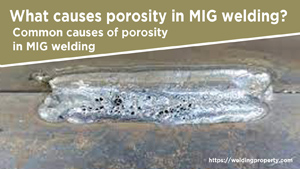
Rain is a problem because MIG welding relies on that shielding gas. Water—whether rain, mist, or even high humidity—can disrupt the gas flow. This lets oxygen and moisture into the weld, causing porosity (tiny holes), spatter, and weak joints.
I once tried MIG welding in a light rain, and the welds were full of holes, like Swiss cheese. Rain can also mess with your equipment and create safety hazards. Understanding these risks helps you decide if MIG welding in the rain is worth it.
Can You MIG Weld in the Rain? The Short Answer
Technically, you can MIG weld in the rain, but it’s not a good idea unless you take serious precautions. Rain disrupts the shielding gas, leading to bad welds. It also raises safety risks, like electrical shocks. I’ve done outdoor MIG welding in damp conditions, but only with proper protection, like tarps or shelters.
Without these, you’re likely to get poor results and put yourself in danger. The key is preparation—let’s break down how to make it work or why you might choose another method.
Risks of MIG Welding in the Rain
Before you try MIG welding in the rain, you need to know the risks. Here’s what I’ve learned from experience:
Poor Weld Quality: Raindrops or moisture can break the shielding gas coverage. This causes porosity, cracks, and weak welds. I’ve seen welds fail because of a light drizzle ruining the gas shield.
Electrical Hazards: Water and electricity don’t mix. Wet equipment or ground can cause shocks or damage your welder. I once got a mild zap from a wet cable—scary stuff.
Equipment Damage: Rain can rust your welder or short out its circuits. I’ve had to dry out a MIG gun after a wet job to keep it working.
Slippery Surfaces: Wet ground or metal can make you slip, especially when you’re focused on welding. I’ve nearly fallen on a slick site.
These risks make MIG welding in the rain a challenge. But with the right setup, you can minimize them. Let’s talk about how to do it safely.
Tools and Materials You’ll Need
If you’re determined to MIG weld in the rain, you’ll need more than just your welder. Here’s what I keep handy for outdoor welding in wet conditions:
| Tool/Material | Purpose |
|---|---|
| Waterproof Tarp or Tent | Shields your welding area from rain and wind. |
| Welding Helmet and Gloves | Protects your eyes and hands from arc light and sparks. |
| Rubber Mats or Boots | Insulates you from wet ground to prevent shocks. |
| Dry Rags or Towels | Keeps your equipment and metal dry. |
| Portable Fan or Blower | Dries the metal surface before welding. |
| Cleaning Solvents (Acetone) | Removes moisture, grease, or dirt from the metal. |
| Fire Extinguisher | Safety precaution for sparks or electrical issues. |
| Ground Clamp | Ensures a solid electrical connection, even in wet conditions. |
| Waterproof Welder Cover | Protects your MIG welder from rain. |
Good gear is a lifesaver. I once tried welding without a tarp in a drizzle, and my welder got soaked. Invest in proper protection, and you’ll avoid headaches.
Step 1: Assess the Weather
Before you start, check the weather. Light mist might be manageable with precautions, but heavy rain or storms are a no-go. I always look at the forecast and watch the sky. If it’s pouring, I postpone the job or move indoors. I once ignored a storm warning and ended up with a soaked welder and no progress.
If it’s just a drizzle, you can proceed with a good setup. But if thunder or lightning is near, stop immediately—electricity and storms don’t mix. I’ve learned to respect the weather after nearly getting caught in a lightning storm mid-weld. Safety first.
Step 2: Set Up a Shelter
To MIG weld in the rain, you need a dry workspace. I set up a waterproof tarp, canopy, or portable tent over my welding area. It should cover you, the welder, and the metal you’re working on. I make sure it’s secure so wind doesn’t blow it away. I’ve used a pop-up canopy for fence repairs, and it kept everything dry in a light rain.
The shelter also blocks wind, which can disrupt the shielding gas. I anchor it with weights or stakes to keep it stable. A good shelter makes all the difference—I’ve welded in a drizzle with no issues thanks to a solid tarp setup.
Step 3: Prepare the Metal Surface
Wet metal is a recipe for bad welds. I dry the metal thoroughly before welding. I use a portable fan or blower to dry the surface, then wipe it with a dry rag. If there’s rust or grease, I clean it with acetone or a degreaser. I also use a wire brush to remove any loose rust or scale.
I once tried welding damp steel, and the arc was unstable, leaving a porous weld. Take the time to dry and clean the metal—it’s worth it for a strong weld. If the metal keeps getting wet, your shelter might need adjusting.
Step 4: Protect Your Equipment
Rain can ruin your MIG welder, so keep it dry. I cover my welder with a waterproof tarp or use a welder-specific cover. I make sure the MIG gun and cables stay off the wet ground. I also check that the ground clamp is secure and dry to avoid electrical issues.
I’ve had a welder short out because water got into the controls. Now, I always double-check my setup. Keep extra rags handy to wipe down equipment if it gets damp. Protecting your gear saves money and keeps the job moving.
Step 5: Insulate Yourself
Water conducts electricity, so you need to stay insulated. I wear rubber-soled boots and stand on a rubber mat or dry wood to avoid shocks. I also use dry welding gloves—wet gloves are dangerous. I’ve felt a tingle from a wet glove, and it’s not fun.
Make sure your clothing is dry too. I avoid loose sleeves that could soak up water. A dry, insulated setup keeps you safe and lets you focus on welding. I always check my gear before starting, especially in wet conditions.
Step 6: Adjust Your Welding Settings
Rain and humidity can affect your welds, so you might need to tweak your settings. I increase the voltage slightly to maintain a stable arc in damp conditions. I also check the gas flow—too low, and the weld won’t be protected; too high, and you waste gas. I use a flow meter to get it right.
I once welded in humid weather without adjusting settings, and the welds were weak. Test your settings on scrap metal first to ensure a clean arc. Every welder is different, so experiment to find what works in wet conditions.
Step 7: Weld Carefully and Monitor Conditions
With everything set up, you can start welding. I work in short bursts, checking the weld quality often. If I see porosity or spatter, I stop and adjust my setup—maybe the shelter’s leaking or the metal’s damp. I keep an eye on the weather too. If the rain gets heavier, I pause and reassess.
I’ve had to stop mid-job when a drizzle turned into a downpour. Stay focused and don’t rush—wet conditions demand extra care. A careful approach gives you strong, clean welds, even in tough weather.
Alternatives to MIG Welding in the Rain
Sometimes, MIG welding in the rain isn’t worth the hassle. Here are alternatives I’ve used:
Stick Welding: Stick welding (SMAW) doesn’t rely on shielding gas, so it’s better for wet or windy conditions. I’ve used it on outdoor repairs when MIG wasn’t practical.
Flux-Cored Arc Welding: Flux-cored welding (FCAW) uses a flux-filled wire that creates its own shield, making it good for outdoor work. I’ve switched to flux-cored for rainy construction jobs.
Move Indoors: If possible, bring the project to a garage or shop. I’ve hauled small projects indoors to avoid rain altogether.
I once switched to stick welding for a fence repair in the rain, and it saved the day. Consider these options if MIG welding seems too risky.
Common Mistakes to Avoid
MIG welding in the rain is tricky, and I’ve made plenty of mistakes. Here are some to watch out for:
- Skipping a Shelter: Without a tarp or canopy, rain will ruin your welds. I always set up a dry zone.
- Welding Wet Metal: Damp metal causes bad welds. I dry the surface thoroughly before starting.
- Ignoring Safety: Wet conditions increase shock risks. I check my insulation and gear every time.
- Rushing the Job: Rain demands patience. Rushing leads to poor welds. I take my time to get it right.
I once rushed a weld in a drizzle and ended up with a weak joint that cracked. Slow and steady wins in wet weather.
Tips for Success
Here are some tricks I’ve learned to make MIG welding in the rain easier:
- Check the Forecast: Plan around the weather. I avoid welding if heavy rain is coming.
- Keep Spares Handy: Extra rags, gloves, and tarps save time if things get wet. I always have backups.
- Test Welds Often: Weld a small section and check for porosity. I’ve caught issues early this way.
- Stay Organized: Wet conditions can be chaotic. I keep my tools in a dry toolbox to stay efficient.
These tips have helped me tackle outdoor jobs in tough weather. Preparation and patience are key.
When to Call It Quits
Sometimes, MIG welding in the rain just isn’t worth it. If the rain is too heavy, the wind is too strong, or lightning is near, stop. I’ve postponed jobs when the weather got too wild—it’s better than risking bad welds or injury. If the metal keeps getting wet despite your shelter, switch to stick or flux-cored welding or move indoors.
I once pushed through a stormy day and regretted it—my welds were awful, and I nearly fried my welder. Know when to walk away and try again later.
Safety First: Protecting Yourself
MIG welding in the rain is risky, so safety is non-negotiable. Here’s how I stay safe:
- Stay Insulated: Rubber boots and mats prevent shocks. I never weld without them in wet conditions.
- Wear Dry Gear: Dry gloves and clothing are a must. I keep spares in case they get wet.
- Check Equipment: Wet cables or a loose ground clamp can cause shocks. I inspect everything before starting.
- Avoid Storms: Lightning is deadly. I stop welding if thunder is near.
I once got a shock from a wet cable—scary and avoidable. Prioritize safety, and you’ll weld with confidence.
Weld Smart, Even in the Rain
MIG welding in the rain is a challenge, but it’s possible with the right precautions. I’ve learned this through years of outdoor projects, from rainy fence repairs to damp construction sites. By setting up a shelter, drying the metal, protecting your equipment, and staying insulated, you can get clean, strong welds even in wet weather.
But you’ve got to be prepared—skipping steps or ignoring risks leads to bad welds and danger. If the rain’s too much, switch to stick or flux-cored welding or wait for better weather.
Frequently Asked Questions
Can I MIG weld in the rain without a shelter?
No way. Rain disrupts the shielding gas, causing bad welds. A tarp or canopy is a must.
What’s the best welding process for rainy weather?
Stick or flux-cored welding. They don’t rely on shielding gas, so they’re better for wet conditions.
How do I keep my welder dry in the rain?
Use a waterproof cover or tarp. Keep cables off the wet ground and wipe down equipment regularly.
Is it safe to MIG weld in a drizzle?
It can be, with precautions. Set up a shelter, dry the metal, and stay insulated to avoid shocks.
What happens if I weld wet metal?
You’ll get porous, weak welds. Always dry the metal thoroughly before MIG welding.
Can humidity affect MIG welding?
Yes, high humidity can cause porosity. Adjust your settings and ensure a strong gas shield.