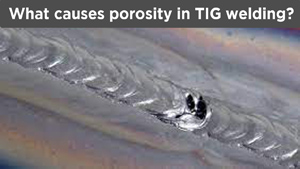
Clean aluminum clamped down, tungsten sharpened, pedal ready—and then you realize the gas bottle is empty. I’ve run into that situation before, and it raises a common question in the shop: can you TIG weld aluminum without gas, or is the job dead until you refill?
With aluminum, shielding isn’t just helpful—it’s what keeps the weld from oxidizing the second the arc starts. I learned pretty quickly that trying to run TIG without proper gas protection leads to a contaminated puddle, ugly welds, and almost no real fusion. Aluminum reacts fast, and it doesn’t forgive shortcuts.
If you’re wondering whether there’s any workaround or what actually happens when gas protection is missing, let me walk you through the reality and what you should do instead to get a clean, solid aluminum weld.
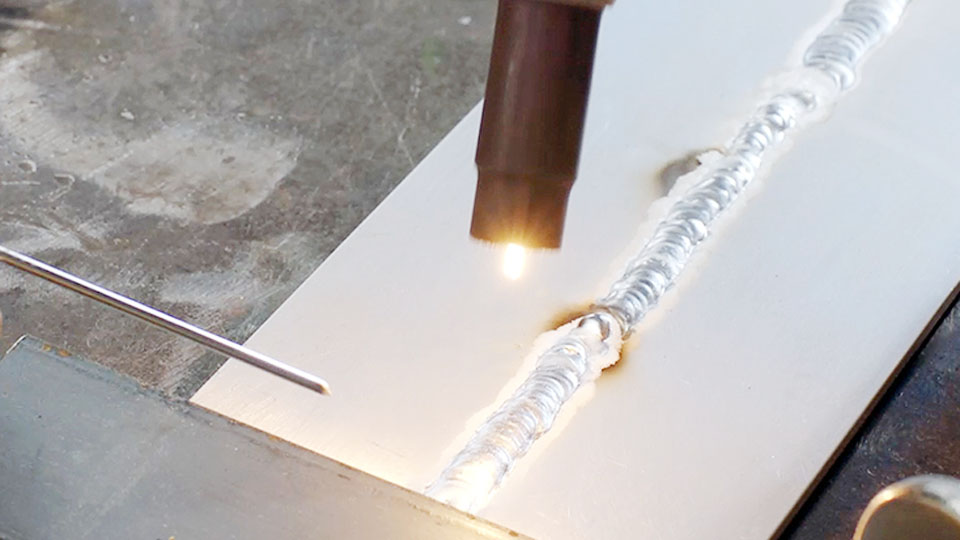
Image by homedepot
Why Shielding Gas is Non-Negotiable for TIG on Aluminum
TIG welding—short for Tungsten Inert Gas—relies on that inert gas blanket to keep the weld pool from reacting with the air. Aluminum is a beast when it comes to oxidation.
It forms a tough oxide layer the second it’s exposed to oxygen, and that layer melts at over 3,700°F while the base metal starts to puddle around 1,200°F. Without gas, you’re basically inviting disaster.
The gas, usually 100% argon in US shops (or a helium mix for thicker stuff), does three critical things:
- Shields the puddle: Keeps oxygen and nitrogen out, preventing porosity and inclusions.
- Protects the tungsten: Without it, the electrode oxidizes and erodes fast, turning your nice pointed tip into a glowing mess.
- Stabilizes the arc: On AC, which you need for aluminum, the gas helps the arc jump clean and maintain that cleaning action to blast away the oxide.
I’ve run tests in the shop where we cranked the amps low and tried to tack without gas on thin 0.063″ sheet. The arc would strike for a split second, then the tungsten would blacken and spit.
The “weld” was black, cratered, and brittle—zero penetration. On thicker 1/4″ plate? Forget it. The heat builds, but the contamination turns the joint into a weak, porous nightmare.
For DIY welders or students just starting out, this is the make-or-break detail. You might get away with it on steel for a quick tack, but aluminum laughs at shortcuts. It demands that gas flow—typically 15-20 CFH for a #7 or #8 cup—to keep everything pristine.
What Happens When You Skip the Gas: My Shop Horror Story
It’s a Saturday afternoon, and a buddy drops off a cracked aluminum intake manifold from his ’68 Camaro. He’s got a budget TIG setup—no gas bottle yet—and asks if we can “just tack it up real quick.” I warned him, but curiosity got the best of us. We hooked up the machine on AC, dialed in 90 amps for the 1/8″ material, and hit the foot pedal.
The arc struck, but within seconds, the tungsten started glowing cherry red. Sparks flew like a Roman candle. The weld pool formed, but it was ugly—milky white with black flecks floating in it.
No shiny puddle, just a foamy mess. We stopped after two inches, and sure enough, the bead had pinholes everywhere. I broke it apart later with a hammer; it snapped like dry spaghetti.
That’s the reality. Without gas:
- Tungsten contamination: It balls up or erodes, contaminating the weld.
- Oxidation galore: The puddle absorbs air, creating hydrogen porosity.
- Poor fusion: The oxide layer doesn’t break down properly, so you’re just melting surface junk.
- Overheating issues: You chase the heat, but it distorts the part before you get anywhere.
Pros make this mistake too, especially when a tank runs dry mid-job. I’ve seen $500 manifolds scrapped because someone thought “just a little more” would work. Don’t be that guy.
Debunking the Gasless TIG Myths for Aluminum
Search online, and you’ll find clips claiming “gasless aluminum TIG” with everything from flux rods to propane torches. Most are smoke and mirrors.
“Use aluminum brazing rods in the TIG torch”: Nope. That’s not TIG—it’s torch brazing. The rods melt at lower temps (around 700°F), so you’re soldering, not fusing the base metal. Great for leaks on thin radiators, but zero strength for structural work.
“Run it on DC without gas”: Even worse. DC on aluminum without AC’s cleaning action? The oxide stays put, and the tungsten explodes.
“Flux-core TIG wire”: Doesn’t exist for aluminum. Flux works in stick or MIG because it generates its own shield, but TIG’s non-consumable electrode needs external gas.
“Helium from a party balloon”: I’ve heard this one. Helium’s inert, but you need pure, high-flow delivery. Balloons? Contaminated and useless.
The real myth-busters come from shop floor data. In a blind test we did last year with welding students, every gasless attempt failed NDT (dye penetrant showed cracks in 90% of samples). Proper argon setups? 100% pass rate.
If you’re a hobbyist eyeing cheap imports, save the headache. Invest in a small argon tank—$50 refill lasts months for light work.
Real-World Alternatives for Welding Aluminum Without Argon
Sometimes gas just isn’t an option. No bottle, no regulator, or you’re in the field. Here’s what actually works, based on jobs I’ve done from farm repairs to custom fab.
Stick Welding Aluminum: The True Gas-Free Champion
Yes, you can stick weld aluminum—and it’s been a staple in US shops for decades. Use flux-coated electrodes like Hobart 4043 or UTP 34N. No gas needed; the flux creates the shield.
How it works: The coating burns off, releasing gases and slag that protect the puddle. It’s DCEN (straight polarity) on most machines.
When to use it:
- Thick material (1/8″ and up).
- Outdoor repairs where wind kills TIG gas coverage.
- Quick fixes on castings or extrusions.
Shop tips:
- Preheat to 300-400°F for thick sections to reduce cracking.
- Keep rods dry—store in a rod oven at 250°F.
- Amps: 80-120 for 1/8″ rod on 1/4″ plate. Run hot and fast.
Pros and cons:
| Aspect | Pros | Cons |
|---|---|---|
| Setup | No gas, cheap rods | Slag cleanup required |
| Strength | Excellent penetration | Rougher appearance |
| Skill level | Forgiving for beginners | Arc control takes practice |
I fixed a busted aluminum trailer hitch last month with stick. Ground it clean, ran 100 amps on my Lincoln 225, and it held like a rock after a 5,000-mile road test. Not pretty, but functional.
Brazing or Soldering: For Thin and Delicate Jobs
For sheet metal, intakes, or non-structural patches, brazing is king. Use rods like Alumaloy or Super Alloy 5 with an oxy-acetylene torch. No electricity, no gas for shielding—just heat and flux.
Step-by-step:
- Clean the joint aggressively (more on that below).
- Heat the base to cherry red (don’t melt it).
- Flow the rod in—capillary action does the work.
- Let it cool slowly.
Why it shines: Distortion-free on thin stuff. I’ve brazed dozens of motorcycle tanks this way. Holds pressure, looks OEM after polishing.
Downside: Not a true weld—lower strength. Fine for 0.040″ sheet, but skip for anything load-bearing.
MIG with a Spool Gun: Gas Required, But Fast
If you have access to gas, MIG aluminum with a spool gun is a game-changer for production. But since we’re talking no-gas hacks, this one’s out—100% argon is mandatory. Self-shielded aluminum wire? It doesn’t exist reliably.
For gasless steel fans transitioning to aluminum, start with a multi-process machine that handles both.
Mastering Proper TIG Welding on Aluminum: My Go-To Shop Setup
Once you commit to gas, TIG becomes the gold standard for aluminum. Clean beads, full penetration, minimal cleanup. Here’s how I set up every time.
Step-by-Step: Prepping for a Flawless TIG Weld
- Clean the metal: Wipe with acetone, then stainless steel brush (dedicated for aluminum). No steel wool—contamination city.
- Tungsten prep: 2% lanthanated, 3/32″ for most work. Grind to a 30° point, then ball the tip slightly on AC.
- Machine config: AC balance 70-80% EN (electrode negative) for penetration. Frequency 100-120 Hz for focus.
- Gas: 100% argon, 15 CFH. Post-flow 10-15 seconds.
- Filler: 4043 for general (good flow), 5356 for strength/corrosion resistance.
Amperage Ranges and Settings: What Actually Works
The golden rule: 1 amp per 0.001″ of thickness. But joints and position tweak it.
Here’s a practical chart for common US machines like Miller Dynasty or Lincoln Square Wave:
| Material Thickness | Joint Type | Amps (AC) | Tungsten Size | Filler Rod | Gas Flow (CFH) |
|---|---|---|---|---|---|
| 1/16″ (0.063″) | Butt | 50-70 | 1/16″ | 1/16″ | 10-12 |
| 1/8″ (0.125″) | Lap | 100-130 | 3/32″ | 3/32″ | 12-15 |
| 3/16″ (0.188″) | T-Joint | 150-180 | 1/8″ | 1/8″ | 15-18 |
| 1/4″ (0.250″) | Fillet | 180-220 | 1/8″ | 1/8″ | 18-20 |
For vertical? Drop 10-20 amps. Overhead? Add 10 for control.
I always start high on the foot pedal to establish the puddle quick, then back off. Dwell too long, and you burn through.
Filler Rod and Tungsten Choices
- 4043: Flows easy, less cracking on 6xxx series. My default for fab work.
- 5356: Stronger, for marine or high-stress. Use on 5xxx alloys.
- Tungsten: Lanthanated for AC—lasts forever. Zirconiated if you’re old-school.
Pro move: Keep rods in a sealed tube. Damp filler = hydrogen cracks.
Joint Preparation: The 80% of Success Most Skip
Bad prep ruins more welds than bad settings. For aluminum:
- Degrease: Acetone or Simple Green, then dry.
- Remove oxide: Dedicated stainless brush, 90° to the surface. Or scrape with a carbide tool.
- Fit-up: Tight gaps—0.010″ max for butt joints. Back-purge thick sections with argon.
- Clamp smart: Use copper backing bars to suck heat and prevent distortion.
In one repair job, a student prepped a 1/4″ plate with a wire wheel—steel contamination everywhere. The weld looked great until it cracked at the heat-affected zone. Lesson: Clean tools only.
Common Mistakes Beginners and Pros Make (And Quick Fixes)
- Mistake: Dirty tungsten. Fix: Regrind and increase post-flow.
- Mistake: Wrong balance. Too much cleaning (low EN) = wide, shallow bead. Crank to 75% EN.
- Mistake: Feeding rod too slow. Puddle freezes—add filler aggressively.
- Mistake: Overheating thin stuff. Use pulse or back-step technique.
I once watched a pro blow a $300 bike frame by chasing the puddle too far. Fixed it by cutting out the bad section and rewelding with fresh prep.
TIG vs. MIG vs. Stick: Picking the Right Tool for the Job
| Process | Speed | Appearance | Cost | Best For |
|---|---|---|---|---|
| TIG | Slow | Beautiful | High (gas) | Precision fab, thin |
| MIG | Fast | Good | Med | Production, thicker |
| Stick | Med | Rough | Low | Field repairs |
For a USA shop doing custom aluminum gates? TIG all day. Trailer frames? MIG with spool gun. Emergency farm fix? Stick.
Safety: Don’t Burn Yourself or Your Lungs
Aluminum fumes are no joke—use a respirator. Leather gloves, auto-darkening helmet (shade 9-13). Ground everything; aluminum conducts heat like crazy.
Pro-Level Tips to Level Up Your Aluminum Game
- Pulse it: On modern machines, 1-2 PPS for stacked dimes without extra heat.
- Gas lens: Improves coverage on windy days.
- Chill the part: Ice packs or CO2 for distortion control.
- Test welds: Always on scrap first.
Last tip from the floor: If the weld doesn’t look shiny and wet, stop and check your gas. A $20 flowmeter pays for itself.
Wrapping Up
You’ve got the guide now—real settings, real fixes, and the know-how to spot a shortcut that isn’t worth it. Next time you’re eyeing that aluminum project, grab the argon and dial it in right.
Your welds will thank you, and so will your customers. What about you? Got a gasless horror story or a killer aluminum setup? Drop it in the comments—I read every one.
FAQ: Answering the Questions I Get Every Week
Can I use CO2 or 75/25 for TIG aluminum?
No way. CO2 kills the arc and contaminates everything. Stick to pure argon—it’s the only gas that plays nice with aluminum’s oxide.
What’s the cheapest way to weld aluminum at home?
Start with stick electrodes and a basic AC/DC stick welder. Under $200 for rods and machine tweaks. For TIG, a $300 multi-process with a small argon tank gets you going.
How do I fix porosity in an aluminum TIG weld?
Grind it out completely, re-clean, and reweld. Prevent it next time with better gas coverage and dry filler.
Does preheat help TIG aluminum?
Yes, for thick sections over 1/4″. 200-300°F reduces cracking. Use a temp stick to check—don’t guess.
Can beginners TIG aluminum without a foot pedal?
It’s tough but doable with a thumb control or 2T trigger. Practice on scrap to build rhythm. Foot pedal’s the pro move for puddle control.