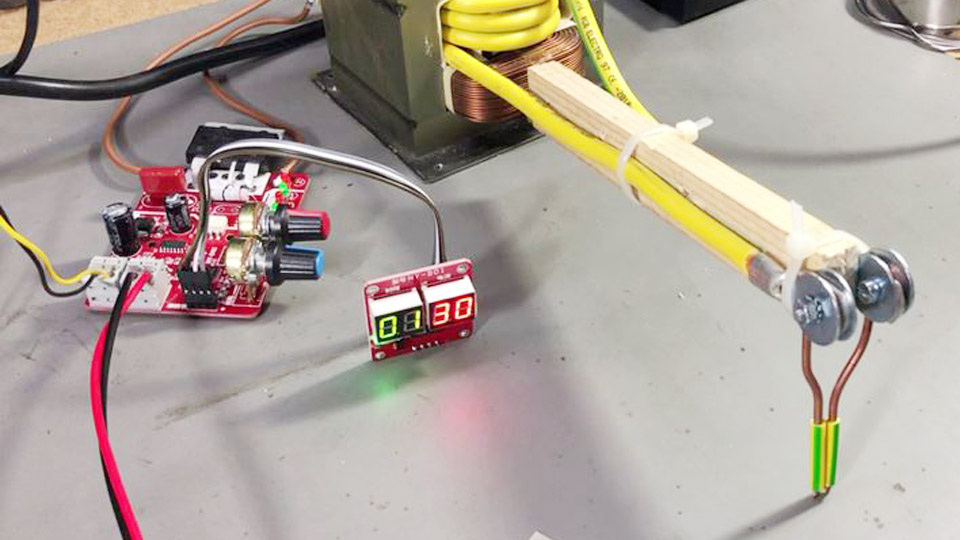
Spot welding is a commonly used welding technique, especially in the automotive and manufacturing industries. It creates a strong bond between two pieces of metal by using heat and pressure. But how do you know if the spot welds you’ve made are as strong as they need to be? This is where testing spot weld strength becomes crucial.

Image by frost.co.uk
I’ll guide you through everything you need to know about checking the strength of your spot welds. If you’re a beginner or have some experience, understanding these techniques will help you ensure the durability and reliability of your welds.
Why Testing Spot Welding Strength Is Important
Spot welding might look simple, but it plays a critical role in holding structures together. If a spot weld fails, it can compromise the entire project. That’s why testing its strength is not just a good practice—it’s essential.
Testing ensures that the welds:
- Meet safety standards and quality requirements.
- Can handle the intended load and stress.
- Have no hidden defects that could cause failure.
Regularly testing spot welds is a proactive step to avoid future issues, especially in industries like automotive manufacturing, where safety is a top priority.
Factors That Influence Spot Welding Strength
Before we get into testing methods, let’s look at some factors that can affect the strength of a spot weld. Understanding these will give you a clearer picture of what to look for during testing.
- Material Type: Spot welding works best with conductive metals like steel and aluminum. The strength depends on the compatibility of the materials being welded.
- Weld Nugget Size: The size of the molten metal pool, or weld nugget, directly impacts the weld’s strength.
- Electrode Pressure: Insufficient or excessive pressure during welding can weaken the bond.
- Current Settings: The welding current must be appropriate for the material thickness and type.
- Surface Preparation: Contaminants like oil, dirt, or rust can reduce weld quality.
By controlling these factors during welding, you can achieve better results and reduce the chances of weak welds.
Methods to Check Spot Welding Strength
Let’s explore the most common and effective ways to test the strength of spot welds. These methods range from visual inspections to destructive testing techniques.
Visual Inspection
The first and simplest method is a visual inspection. Although it doesn’t directly measure strength, it can identify obvious flaws.
What to Look For:
- Uniform weld nugget size.
- No cracks or voids around the weld.
- Proper alignment of the welded materials.
- Minimal spatter around the weld area.
While visual inspection is not enough to guarantee strength, it’s a good starting point for identifying potential issues.
Peel Test
The peel test is one of the most common methods for checking spot weld strength, especially in non-critical applications. It involves peeling the two welded pieces apart to see how well they hold together.
Steps to Perform a Peel Test:
- Use pliers or a specialized tool to peel one of the welded pieces away from the other.
- Observe the weld nugget and the tearing pattern.
- A strong weld will result in a complete nugget pullout, leaving a small hole in one of the materials.
Advantages:
- Quick and easy to perform.
- Doesn’t require specialized equipment.
Limitations:
- Destructive test; it damages the weld.
- Not suitable for high-strength or critical welds.
Tensile Shear Test
This test measures the force required to pull the two welded pieces apart. It’s widely used in industries where strength and load-bearing capacity are critical.
Steps to Perform a Tensile Shear Test:
- Place the welded sample in a tensile testing machine.
- Apply force parallel to the weld until it breaks.
- Record the force required for failure.
What It Tells You:
- The maximum load the weld can handle.
- The type of failure (e.g., nugget pullout or interfacial fracture).
Advantages:
- Provides precise data on weld strength.
- Suitable for critical applications.
Limitations:
- Requires specialized equipment.
- Time-consuming compared to other methods.
Cross-Tension Test
The cross-tension test is another destructive method that applies force perpendicular to the weld. This test is often used alongside the tensile shear test to provide a complete picture of weld strength.
Steps to Perform a Cross-Tension Test:
- Prepare a sample with a single spot weld.
- Place it in a testing machine that applies force perpendicular to the weld.
- Measure the force required to break the weld.
What It Tells You:
- Resistance to forces pulling the materials apart.
- The quality of the weld nugget.
This test is particularly useful for applications where components experience forces in multiple directions.
Nondestructive Testing Methods
While destructive methods are reliable, they result in damaged samples. For applications where preserving the weld is important, nondestructive testing (NDT) methods come in handy.
- Uses sound waves to detect flaws in the weld.
- Provides detailed information about internal defects.
Radiographic Testing (X-rays):
- Captures images of the weld’s internal structure.
- Identifies voids, cracks, or inconsistencies.
Advantages of NDT:
- Doesn’t damage the weld.
- Ideal for high-value or critical components.
Limitations of NDT:
- Requires specialized equipment and expertise.
- May not provide direct measurements of strength.
Comparing Testing Methods
Here’s a quick comparison of the different methods to help you choose the right one for your needs:
| Method | Type | Purpose | Advantages | Limitations |
|---|---|---|---|---|
| Visual Inspection | Nondestructive | Identifying surface defects | Quick and easy | Doesn’t measure strength |
| Peel Test | Destructive | Testing basic weld quality | Simple and low-cost | Damages the sample |
| Tensile Shear Test | Destructive | Measuring load-bearing capacity | Precise strength data | Requires equipment |
| Cross-Tension Test | Destructive | Evaluating weld resistance to tension | Complements shear test | Specialized tools needed |
| Ultrasonic Testing | Nondestructive | Detecting internal defects | Preserves the weld | Requires expertise and tools |
| Radiographic Testing | Nondestructive | Inspecting internal structure | Highly detailed results | Expensive and complex setup |
Tips for Ensuring Strong Spot Welds
Strong welds start with proper welding practices. Here are some tips to improve your spot weld strength:
- Optimize Welding Parameters: Adjust the current, pressure, and weld time according to the material and thickness.
- Use Clean Materials: Remove any rust, paint, or grease before welding.
- Ensure Proper Alignment: Misaligned materials can result in weak or uneven welds.
- Inspect Electrodes Regularly: Worn or dirty electrodes can reduce weld quality.
- Practice Consistency: Consistent weld nugget size and spacing contribute to overall strength.
Conclusion
Testing the strength of spot welds is a crucial step in ensuring the durability and reliability of your work. By using the right testing methods—whether it’s a simple peel test or advanced nondestructive techniques—you can identify potential issues and improve your welding quality.
Remember, strong spot welds are the result of good preparation, proper technique, and regular testing. Whether you’re working on a small DIY project or a large-scale industrial job, taking the time to test your welds will pay off in the long run.
FAQs
How do I know if a spot weld is strong enough?
You can determine the strength of a spot weld through visual inspections, peel tests, or more advanced methods like tensile shear testing.
What is the most accurate way to test spot weld strength?
Tensile shear testing provides precise data on the load-bearing capacity of a weld, making it one of the most accurate methods.
Can I test spot weld strength without damaging the weld?
Yes, nondestructive methods like ultrasonic testing and radiographic testing can assess weld quality without causing damage.
Why do spot welds fail?
Spot welds can fail due to insufficient weld nugget size, improper pressure, contaminated surfaces, or misaligned materials.
What is the role of weld nugget size in strength?
The weld nugget size directly affects the strength of the weld. Larger, properly formed nuggets provide better load-bearing capacity.