
Cleaning up excess JB Weld can feel intimidating, especially if you’re not used to working with epoxies. Maybe you finished your project, but there’s extra JB Weld squeezed out around the edges, or you accidentally dropped some on a surface.
If you leave it, the hardened material can look messy and even get in the way of moving parts. But don’t worry—there’s a reliable way to get things back to looking clean. This guide walks you through every step, from understanding what JB Weld is, to the safest and most effective cleanup methods.
Whether it’s still wet or already cured, you’ll learn practical solutions, common mistakes to avoid, and tips to make your next project smoother.
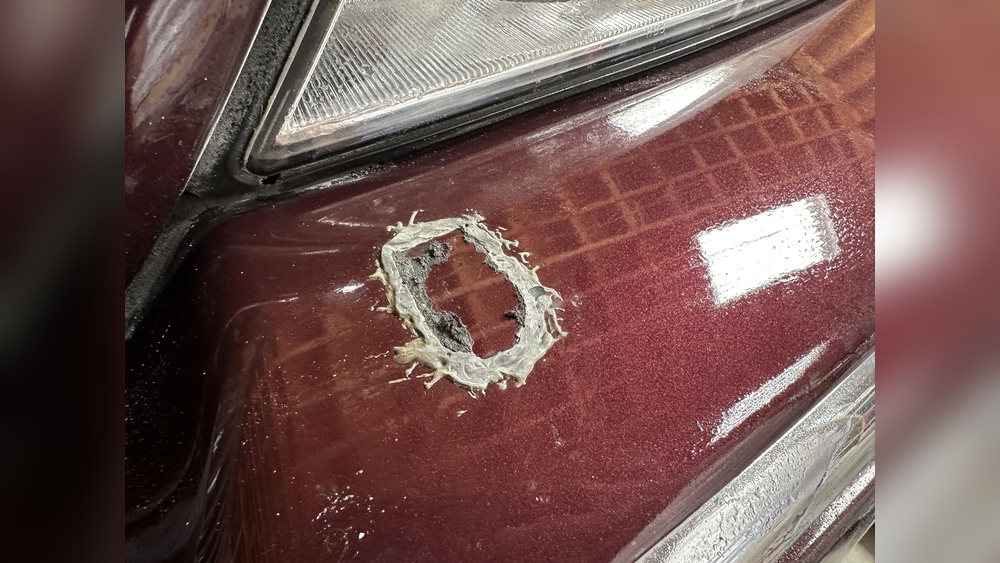
Understanding Jb Weld
Before learning how to clean it up, it helps to understand what JB Weld actually is. JB Weld is a two-part epoxy adhesive. It’s well-known for its strength and ability to bond different materials, such as metal, plastic, wood, and ceramics. Once mixed, the epoxy starts to harden.
At room temperature, you usually have 4-6 minutes before it thickens, and it takes 4-6 hours to set. Full strength is reached after 15-24 hours. This means the cleanup method depends on whether the JB Weld is still wet (uncured) or already hardened (cured).
A common mistake is waiting too long before cleaning up. The longer you wait, the harder it becomes to remove excess epoxy. Knowing the working time is important for any cleanup process.
Tools And Materials You’ll Need
Having the right tools makes cleanup much easier. Here’s what you should gather before you start:
- Nitrile or latex gloves (to protect your skin)
- Isopropyl alcohol (at least 70%)
- Acetone (for tougher jobs)
- Paper towels or clean rags
- Plastic scraper, razor blade, or putty knife
- Cotton swabs
- Fine grit sandpaper (220-400 grit)
- Plastic container (for solvent use)
- Soft-bristled brush (like an old toothbrush)
- Safety goggles
Never use bare hands to handle solvents or uncured epoxy. Always work in a well-ventilated area. For delicate surfaces, test solvents on a small spot first to avoid damage.
Cleaning Up Uncured Jb Weld
When JB Weld is still wet, it’s much easier to remove. The key is to act fast. Here’s a step-by-step process for removing uncured JB Weld:
- Wear gloves to prevent skin contact. Epoxy can cause irritation.
- Wipe up excess immediately with a dry paper towel or rag. Remove as much as possible before it starts to set.
- Dampen a cloth with isopropyl alcohol or acetone. Gently wipe the area to remove any remaining residue.
- For tight spots, use a cotton swab dipped in solvent.
- If necessary, repeat until the area is clean.
- Let it dry completely before touching or continuing your project.
Isopropyl alcohol is generally safe on most materials, but acetone can damage plastics or painted surfaces. Always test first. Never use water to clean up uncured JB Weld—it won’t dissolve epoxy and can even make the problem worse.
Pro Tip
For surfaces like metal or ceramic, acetone works quickly, but for plastic or painted surfaces, stick to isopropyl alcohol to prevent damage.
Cleaning Up Cured Jb Weld
If the JB Weld has already hardened, cleaning up becomes more challenging. The epoxy is now a solid plastic-like material. Here’s how you can tackle it:
- Assess the surface. Is it metal, plastic, painted, or another material? This affects which tools you use.
- Use a razor blade or plastic scraper to gently lift and scrape away the excess. For flat surfaces, a razor blade can slide under the epoxy and lift it off.
- If scraping isn’t enough, apply gentle heat with a hair dryer or heat gun (set to low). This can soften the epoxy slightly, making it easier to remove. Don’t use high heat on plastics.
- Apply acetone with a rag, but be careful—acetone is strong and can damage some materials. Let the solvent sit for a few minutes, then try scraping again.
- For very stubborn spots, use fine grit sandpaper to smooth out the area. Sand gently to avoid scratching the underlying surface.
- Clean up dust with a damp rag when finished.
Removing cured JB Weld is slow work. Take your time and don’t rush, especially on delicate surfaces.
Important Insight
Many beginners try to chip off excess JB Weld with sharp tools, but this can gouge or scratch the surface underneath. For painted or finished surfaces, always start with the least aggressive method.
Special Cases: Removing Jb Weld From Different Materials
Different surfaces react differently to solvents and scraping. Here’s how to handle the most common ones:
Metal
Metal surfaces are usually the easiest to clean. You can use acetone, scraping, and sanding without much risk. If the JB Weld is on a visible area, start with a razor blade and finish with fine sandpaper for a smooth look. Polishing compound can restore shine.
Plastic
For plastic, avoid acetone unless you’re sure it won’t melt or discolor the surface. Instead, use isopropyl alcohol and a plastic scraper. Take your time, as plastic scratches easily. If the epoxy won’t budge, gently heat it with a hair dryer and peel it away.
Painted Surfaces
Painted areas are the most sensitive. Test solvents first. Sometimes, it’s safer to leave a very thin layer of epoxy rather than risk damaging the paint. Try scraping with a plastic tool only, and use isopropyl alcohol for cleaning up residue.
Wood
Wood can absorb epoxy, making removal tricky. If JB Weld is on finished wood, use a plastic scraper and alcohol. For raw wood, light sanding may be necessary. Avoid soaking wood with solvents, as this can raise the grain or stain the wood.
Ceramic And Glass
On ceramic and glass, a razor blade works well. Acetone can help, but don’t soak the area for too long. If any haze remains, buff with a glass cleaner.
How Long Do You Have Before Jb Weld Hardens?
Understanding the working time helps you plan your cleanup. Here’s a quick reference for JB Weld’s typical curing stages:
| Stage | Time After Mixing | Consistency | Best Cleanup Method |
|---|---|---|---|
| Wet (uncured) | 0–6 minutes | Liquid, sticky | Wipe with solvent |
| Gel (partially set) | 6–30 minutes | Thick, tacky | Scrape gently, solvent |
| Set (firm, not full strength) | 30 minutes–6 hours | Rubbery, semi-hard | Scrape, sand, heat, solvent |
| Fully cured | 6–24 hours | Rock hard | Scrape, sand, heat |
If you catch the excess JB Weld during the wet or gel stage, cleanup is much easier. After it’s fully cured, removal takes more time and effort.
Comparing Solvents For Cleaning Jb Weld
Not all solvents are equal when cleaning up JB Weld. Here’s a comparison of the most common options:
| Solvent | Effectiveness | Safe For | Risks |
|---|---|---|---|
| Isopropyl Alcohol | Good (uncured only) | Most surfaces | May not remove cured epoxy |
| Acetone | Excellent (uncured, some cured) | Metal, glass, ceramic | Damages plastic, paint |
| Lacquer Thinner | Strong | Metal, glass | Damages plastic, strong fumes |
| Vinegar | Weak | Delicate surfaces | Slow, not for cured epoxy |
Isopropyl alcohol is safest for general use, but acetone is stronger for tough jobs. Avoid using harsh solvents on plastics or painted items.
Step-by-step Example: Cleaning Jb Weld From A Metal Pipe
Let’s say you’ve repaired a metal pipe and some JB Weld squeezed out. Here’s how you’d clean it up:
- Wipe excess immediately with a paper towel.
- Dampen a rag with acetone and wipe the area.
- If some remains after 10 minutes, use a razor blade to gently scrape it off.
- For thin residue, use fine sandpaper (320–400 grit) to smooth the surface.
- Wipe again with acetone, then dry with a clean cloth.
After you finish, the pipe will look neat, with no visible epoxy lines or bumps. If you wait until the JB Weld is cured, you’ll need more scraping and sanding.
Mistakes To Avoid When Cleaning Up Jb Weld
Even experienced users make errors when cleaning up excess epoxy. Here are some common mistakes and how to avoid them:
- Waiting too long to clean up. The longer you wait, the harder removal becomes.
- Using water to try to clean JB Weld. Water won’t dissolve epoxy and just spreads the mess.
- Scraping with metal tools on delicate surfaces. This can scratch or gouge your project.
- Using too much solvent on plastics or paint. This can melt or remove the finish.
- Not wearing gloves. Epoxy and solvents can irritate skin and cause allergic reactions.
- Breathing solvent fumes in a closed space. Work with good ventilation.
- Trying to dissolve cured epoxy only with solvent. Once JB Weld is cured, mechanical methods (scraping, sanding) are needed.
Tips For Cleaner Jb Weld Projects Next Time
A few small changes in your technique can prevent excess JB Weld and make future cleanup much easier:
- Tape off areas you want to keep clean, using painter’s tape or masking tape.
- Use a small brush or toothpick to apply epoxy instead of pouring or squeezing.
- Mix small batches so you don’t have leftover glue.
- Wipe up spills immediately before they harden.
- Practice on scrap material to understand how much epoxy you need.
Most importantly, plan your work before you start mixing. JB Weld sets quickly, so being organized helps you stay ahead.
Is Removing Jb Weld Always Possible?
In most cases, yes. But if the epoxy has soaked into porous materials (like raw wood or fabric), complete removal can be difficult. For smooth, non-porous surfaces, you can usually get it clean with patience. In rare cases, you may need to repaint, refinish, or even replace a damaged part.
Safety Considerations
Whenever you work with epoxies or solvents, follow these safety rules:
- Wear gloves and goggles.
- Ventilate your workspace.
- Store solvents away from heat or flame.
- Dispose of rags soaked in solvent safely.
- Wash your hands after finishing.
If you get JB Weld on your skin, wash with soap and warm water immediately. Don’t use solvents to clean your skin—they can cause irritation.
When To Seek Professional Help
For valuable items, antiques, or sensitive electronics, consider asking a professional for help. Aggressive cleaning can make damage worse. If you’re unsure, contact the manufacturer or a repair specialist before trying to remove JB Weld yourself.
Real-world Example: Car Repair
Many car owners use JB Weld for quick fixes. Suppose you repair a radiator and some epoxy squeezes onto painted parts. On a car’s paint, use only isopropyl alcohol and a plastic scraper. Avoid acetone, as it can ruin the finish.
If you’re not sure, ask a body shop for advice. For engine blocks or metal parts, you can use acetone and a razor blade safely.
How To Prevent Future Cleanup Trouble
The best way to avoid removing excess JB Weld is to apply it carefully in the first place. Here are a few advanced tricks:
- Apply masking tape along both sides of the joint. After applying JB Weld and smoothing it, remove the tape while the epoxy is still wet.
- Use a damp cloth (with alcohol) around the joint to wipe away overflow.
- Mix only what you need. JB Weld is strong—even a small amount often does the job.
- Practice smoothing the bead with a gloved finger or a plastic tool before it sets.
By spending a little more time on preparation, you’ll spend much less time cleaning up after.
Environmental Concerns
Many people don’t realize that solvents and epoxy waste should not go down the drain. Dispose of used rags and leftover material according to local hazardous waste guidelines. Some areas offer special disposal for chemicals—check with your recycling center.
Advanced Techniques For Stubborn Jb Weld
If all else fails, here are a few advanced options to try:
- Freeze the part. For small items, placing them in the freezer can make the epoxy brittle and easier to crack off.
- Use a rotary tool (like a Dremel) with a sanding or grinding attachment. Go slow to avoid damaging the underlying surface.
- Chemical epoxy removers are available, but use them with caution. Always test first.
These methods are best for hard, durable surfaces like metal or glass.
What To Do If Jb Weld Gets On Your Skin Or Clothes
If JB Weld touches your skin, wash it off immediately with soap and warm water. Do not use solvents, as they can push the chemicals deeper into your skin. For clothes, uncured epoxy can sometimes be removed with isopropyl alcohol, but once cured, you may need to cut away the affected fabric.
Common Questions About Removing Jb Weld
People often have similar concerns when it comes to cleaning up excess JB Weld. Here’s a quick summary of the most frequent worries:
- Can I remove JB Weld from plastic? Yes, but be gentle and avoid strong solvents.
- Will acetone damage my project? It depends. Test on a hidden area first.
- Is it safe to sand epoxy? Yes, but wear a mask to avoid breathing dust.
- Does heat always help? Sometimes, but use low settings to avoid warping materials.
- What if the JB Weld is inside a small crack? Use a toothpick or a dental pick to scrape it out, and solvent to clean residue.
Wrapping Up
Cleaning up excess JB Weld doesn’t have to be stressful. With the right tools, solvents, and techniques, you can keep your projects looking professional and avoid lasting damage.
The key is to act quickly, use the gentlest effective method, and always protect yourself and your workspace. With a little patience, you’ll be ready for your next repair with confidence.
Frequently Asked Questions
How Do I Clean Up Jb Weld Before It Cures?
Wipe up the excess immediately using a paper towel or rag. Then, use a cloth dampened with isopropyl alcohol or acetone to remove any remaining residue. For tight spots, a cotton swab with solvent works well. Always wear gloves and work quickly.
Can I Remove Hardened Jb Weld From Painted Surfaces Without Damaging The Paint?
It’s tricky, but possible. Start with a plastic scraper and isopropyl alcohol. Avoid acetone, as it can damage most paints. If the epoxy won’t come off, it may be safer to leave a thin layer rather than risk harming the finish.
What Is The Safest Solvent For Cleaning Up Jb Weld?
Isopropyl alcohol is generally the safest, especially for plastics and painted surfaces. Acetone is stronger but can damage some materials. Always test on a small area first and wear gloves for protection.
Does Heat Help Remove Cured Jb Weld?
Yes, applying gentle heat with a hair dryer can soften cured JB Weld, making it easier to scrape off. Avoid high heat on plastics or painted surfaces, as this can cause warping or peeling.
What Should I Do If Jb Weld Gets On My Skin?
Wash the area immediately with soap and warm water. Do not use solvents, as they can irritate your skin. If you develop redness or irritation, seek medical advice.


