
When your drive roller stops doing its job, you feel it instantly—weak wire feed, sputtering starts, and a bead that refuses to settle. I’ve been mid-weld with everything set perfectly, only to realize the wire wasn’t moving because the roller had slipped, jammed, or lost tension. It’s one of those problems that looks serious but usually comes down to a few simple fixes.
A bad drive roller can throw off your entire weld, from penetration to bead shape. Get it sorted, and your machine runs smooth again. Let me show you the quick checks that actually get a stubborn drive roller feeding like it should.
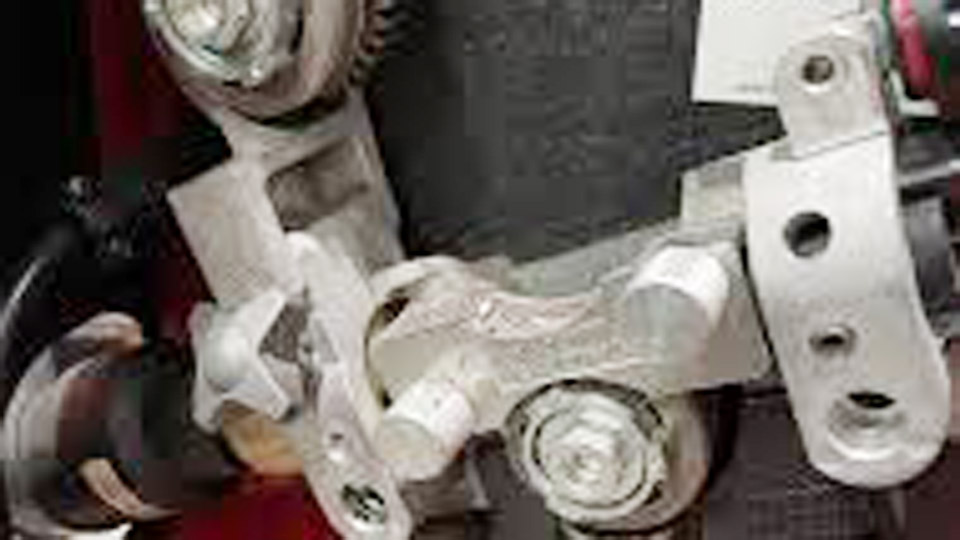
Image by reddit
Why a Dead Drive Roller Ruins More Than Just Your Day
A drive roller that won’t feed isn’t just annoying; it’s a safety and quality nightmare. Wire that stutters or stops mid-weld creates cold lap, lack of fusion, or burn-through. On a job site that can fail inspection. In your garage it can ruin an entire fabrication and waste expensive wire and gas.
Worse, if the wire birds-nests at the drive rolls you can kink an entire $80 spool in ten seconds flat. Trust me, I’ve done it. Fixing or preventing drive roll issues saves time, money, shielding gas, filler metal, and keeps your welds strong enough to trust your life to.
First Thing – Quick 60-Second Checks Before You Tear Anything Apart
I always do these four checks in order because 80% of “drive roller not working” calls I get on the phone are solved right here:
- Is the gun trigger stuck or the trigger switch bad? Pull the trigger a few times, listen for the contactor click.
- Is the machine actually getting power and showing ready on the display?
- Is the spool brake so tight the roll literally can’t pull wire off? Back it off until the spool coasts about one full turn when you stop feeding.
- Look at the wire where it comes off the spool – is it kinked or tangled already? If yes, cut it off and re-feed.
If those are good and it still won’t feed, now we dig deeper.
Most Common Culprit: Wrong Drive Roller or Wrong Size Groove
Here’s the truth nobody likes to hear: most drive roll problems start the day you put the wrong roller on the machine.
- Running .035 flux-core on a roller made for .030-.035 hard wire? It’s going to slip. Running aluminum with a V-groove steel roller? You just shaved half the wire off and packed the groove full of aluminum chips.
Quick roller cheat sheet I keep taped inside every one of my machines:
| Wire Type | Diameter | Roller Type Needed | Groove Style |
|---|---|---|---|
| Mild steel solid | .023 – .030 | Knurled V | V or U |
| Mild steel solid | .035 – .045 | Knurled V | V |
| Flux-cored | .030 – .052 | Knurled | Knurled V or U |
| Aluminum | .030 – 3/64 | Smooth | U (polished) |
| Stainless | .030 – .045 | Knurled V | V |
Swap to the correct roller and 60% of slipping issues disappear instantly.
Drive Roll Tension – The Goldilocks Setting Nobody Teaches You
Too loose = slip. Too tight = you deform the wire and it jams in the liner or tip. I set mine like this:
- Start with the tension knobs backed all the way off.
- Feed wire with no pressure until it comes out the gun.
- Increase tension on both rolls evenly until the wire just starts to bow slightly between the rolls and the gun when you hold the trigger.
- Now back each knob off 1/4 turn. That’s usually perfect.
If you can pull the wire out of the tip by hand with moderate force, it’s too loose. If the wire looks flattened or has chatter marks, it’s too tight.
Liner Issues That Feel Exactly Like a Bad Drive Roller
A clogged, kinked, or wrong-size, or blown-out liner will make the drive rolls spin like crazy while nothing comes out the gun. I’ve chased my tail for an hour thinking it was the motor when the real problem was a $22 liner.
Red flags the liner is bad:
- Wire feeds great for 6 inches, then locks up, you pull the trigger again and it feeds another 6 inches (classic clogged liner).
- You see steel shavings or black dust around the inlet guide.
- Aluminum wire keeps bird-nesting even with smooth U rollers and low tension.
Pro move: Keep a cheap borescope on the bench. Feed the wire out, pull the liner, and look inside. If you see scoring or buildup, replace it immediately.
Burned-Up Drive Motor or Control Board (The Expensive One)
If the drive rolls literally will not turn at all, even with the tension backed off and the gun disconnected, you’re looking at electrical.
Miller, Lincoln, and Hobart machines from the last 15 years almost all use a 24V or 90V permanent-magnet DC motor. They’re bulletproof until the brushes wear out or the board fries. Symptoms:
- Contactor clicks but zero roll movement.
- Rolls twitch but won’t spin.
- You smell that lovely burnt electronics smell.
Nine times out of ten it’s the $40 brush kit or a $120 control board. I keep both on the truck because getting a Saturday job done is worth way more than that.
Inlet and Outlet Guides – The Parts Everybody Forgets
Those little plastic or brass guides right before and after the drive rolls wear out or crack. When they do, the wire wanders and either slips or jams. I replace mine every liner change as preventative maintenance. Takes 30 seconds and costs three bucks.
Wire Quality Matters More Than You Think
Cheap imported wire is often slightly out of cast or helix or has lousy surface finish. I’ve had entire spools that simply would not feed in a Miller 350P no matter what I did – swapped to Lincoln SuperArc and it fed like butter. If you’ve tried everything else and it still acts up, buy one 10 lb spool of premium wire and test. You’ll know in five minutes.
Step-by-Step: Diagnosing and Fixing a Non-Feeding Welder in the Field
Here’s the exact checklist I run on job sites:
- Verify power and trigger function.
- Check spool tension and cut off any kinks.
- Confirm correct drive roller type, size, and groove.
- Clean inlet/outlet guides and inspect for wear.
- Set drive roll tension using the “slight bow” method.
- Pull the contact tip and look for burnout or wrong size.
- Inspect liner condition – replace if over 2 years old or you see debris.
- Test wire speed control from 0-100% while watching the rolls.
- If rolls still won’t turn, test motor voltage at the motor leads (should see ~24VDC when trigger pulled).
- Replace brushes or board as needed.
I can usually get a dead feeder running again in under 15 minutes with this list.
Preventative Maintenance That Stops 90% of Drive Roll Problems
Every 3 months or every 10 spools (whichever comes first):
- Blow out the feed head with compressed air.
- Inspect and replace inlet/outlet guides.
- Check roller grooves for wear or packing – dress with a file if needed.
- Replace the gun liner (they’re cheap insurance).
- Grease the gears lightly with high-temp synthetic.
Do this and you’ll almost never deal with a surprise “drive roller not working” moment again.
Quick Fixes When You’re Stuck on a Job with No Parts
Been there too many times:
- No spare knurled roller but need to run flux-core? Take your V-groove steel roller and lightly knurl it with a cold chisel – works for a day.
- Liner completely toast? Pull it out and run 4–6 ft of wire straight wire if the gun is short enough (MIG only, not spool gun).
- Tension arms broken? Zip-tie a small bungee across to apply light pressure (ghetto but effective).
Final Thought
A drive roller that quits feeding feels like the end of the world in the moment, but 99 times out of 100 it’s a five-dollar part or a ten-minute adjustment. Go through the checks in order, keep the right rollers and a spare liner on the truck or in the garage, and you’ll spend way more time laying perfect beads than cursing at a silent wire feeder.
Mark every drive roller with a Sharpie as soon as you take it out of the package – wire type and size right on the side. No more guessing what’s installed when something goes wrong at 2 a.m. on overtime.
FAQs
Why does my MIG welder feed wire sometimes and stop others?
Intermittent feeding is almost always a liner starting to clog or a drive roll groove packing with debris. Blow the liner out backwards with air and dress the roller groove with a small file. If it keeps happening, just replace the liner – they’re cheap.
Can I flip a drive roller around to get more life?
Yes, most rollers have two usable grooves or sides. Flip it when one side gets worn or packed. Just remember to update your Sharpie mark!
Is it bad to run aluminum wire with a standard liner?
Extremely. Standard steel liners will shave aluminum and clog in minutes. You need a Teflon, nylon, or dedicated aluminum liner plus smooth U rollers and a spool gun or push-pull setup for anything over 15 ft.
How tight should drive roll pressure really be?
Tight enough that the wire feeds smoothly but you can still stop the wire with gloved fingers at the tip with moderate pressure. If the wire flattens or you see helix marks on it, back it off.
My drive rolls turn but wire slips only when the gun is bent tight – what’s wrong?
Classic sign of a liner that’s too long or kinked inside the cabinet. Shorten it 1–2 inches or replace it. Also check that the cable isn’t crushed somewhere along the length.


