Trying to join two brass pieces can get frustrating fast. You line everything up, strike the torch, and before you know it, the metal starts discoloring or the filler just won’t flow the way you expect.
Brass doesn’t behave like mild steel, and if you don’t handle the heat right, you’ll end up with weak joints or surface cracks. That’s why learning How to Weld Brass Together is more about control and technique than just melting metal.
In real shop work, brass requires a careful balance of heat, the right filler material, and proper surface prep. Push it too hot, and you risk zinc evaporation; go too cold, and the joint won’t bond properly. I’ve seen plenty of beginners struggle here—not because they lack skill, but because brass plays by different rules.
Understanding those rules makes all the difference. It helps you avoid costly mistakes, improve joint strength, and get cleaner results without endless rework.
I’ll walk you through the practical steps and tips that actually work when welding brass, so you can handle it with confidence instead of guesswork.

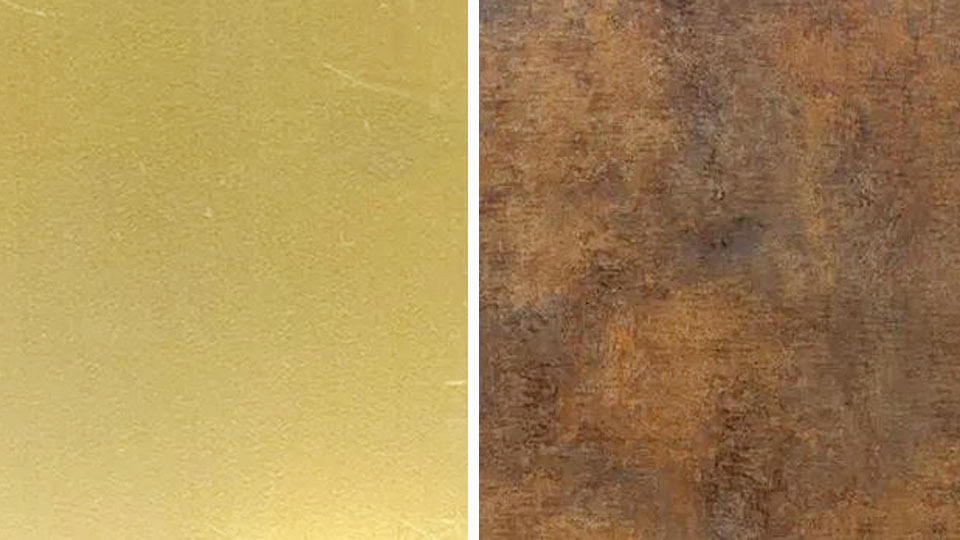
Image by accteklaser
Why Brass Welding Matters in Real Shop Work
Brass conducts heat extremely well, so heat disappears into the surrounding metal fast. You end up chasing the puddle or overheating one area while the rest stays cold. Distortion warps thin sections quickly.
Zinc vaporization creates porosity and those white fumes that can give you metal fume fever—flu-like symptoms that hit hard if ventilation isn’t spot-on.
In practice, I see beginners burn through thin brass or create brittle welds that crack during cooling. Pros sometimes skip proper prep and end up with discoloration or joints that won’t hold pressure in fluid systems. Getting this right means stronger repairs, better appearance for visible pieces, and fewer headaches on the job or in your home shop.
Understanding Brass as a Welding Material
Brass is primarily copper and zinc, with zinc content typically ranging from 5% to 40% in common alloys like C260 (cartridge brass) or C360 (free-machining brass).
Higher zinc makes the material stronger but more prone to vaporization during welding. Leaded brasses add extra challenges because lead promotes hot cracking.
The alloy’s color, machinability, and corrosion resistance make it popular for fittings, musical instruments, marine hardware, and decorative work.
But that same composition demands lower heat input and careful filler selection compared to pure copper or steel. In my experience, knowing your exact alloy helps—test scrap from the same batch if possible.
Common Welding Processes for Joining Brass to Brass
Several methods work, but each has trade-offs in strength, appearance, heat input, and skill level. Here’s what I’ve used in real jobs.
TIG Welding Brass – Precision for Clean, Strong Joints
What it is and how it works: TIG (GTAW) uses a non-consumable tungsten electrode and inert gas (usually 100% argon) to create an arc that melts the base metal and filler rod. You control heat with a foot pedal, which is crucial for brass.
When and why to use it: Choose TIG when you need maximum strength, minimal distortion, and a clean cosmetic finish—think visible architectural pieces, instrument repairs, or high-pressure fittings. It gives superior control over the puddle compared to MIG or oxy-acetylene.
Practical tips and settings: For 1/16″ to 1/8″ thick brass, start around 70-130 amps on DCEN with a 2% thoriated or ceriated tungsten (3/32″ or 1/8″ diameter). Sharpen the tungsten to a point for focused arc. Use a #7 or #8 cup with gas lens for better coverage. Pulse settings (1-2 PPS) help manage heat on thinner material.
Preheat thicker sections (over 1/4″) to 300-500°F to reduce cracking risk. Feed silicon bronze filler rod (like ERCuSi-A) rather than matching brass to avoid excessive zinc boil-off. Keep the arc short and travel steady—watch for that telltale white smoke indicating zinc vapor.
I once repaired a brass steam valve using TIG. The customer needed it pressure-tight. Proper preheat and pulse control prevented cracks that plagued earlier attempts with straight DC.
MIG Welding Brass – Speed for Larger or Production Work
What it is and how it works: MIG (GMAW) feeds wire through a gun with shielding gas, creating a continuous arc.
When and why to use it: MIG shines on thicker brass sections or when you need higher deposition rates in a busy shop. It’s faster than TIG but requires more cleanup due to potential spatter.
Practical tips and settings: Use silicon bronze wire (.035″ or .045″) with 100% argon. Set voltage and wire speed low to control heat—short arc length prevents overheating. Machines like Millermatic or Lincoln Power MIG work well with gas.
Beginners often crank amperage too high, causing burn-through. Test on scrap: aim for a fluid puddle without excessive zinc fuming. Jigs and fixtures help hold alignment since brass distorts easily.
In one fabrication run, we MIG-welded brass brackets onto larger assemblies. The key was consistent travel speed and backstepping to manage heat.
Oxy-Acetylene Welding or Brazing – Traditional Heat Control
What it is and how it works: The torch mixes oxygen and acetylene (or propane/MAPP) to create a flame that heats the joint. Filler rod is added manually, often with flux.
When and why to use it: Great for field repairs or when electric power isn’t available. Brazing (not true fusion welding) uses lower temperatures, reducing distortion and zinc issues. It’s forgiving for hobbyists.
Practical tips: For brazing, use silver-bearing rods (like 45% or 56% silver) with appropriate flux. Heat the base metal broadly, not the rod directly. For actual fusion welding, neutral flame and brass or bronze rod. Clean thoroughly—dirt or oil causes porosity. Many old-school welders prefer this for thin decorative work because you can “sweat” the joint evenly.
I’ve used oxy-acetylene on antique brass restoration. The wider heat zone minimized cracking compared to concentrated TIG arc on delicate pieces.
When to Choose Brazing Over True Welding
Brazing often beats fusion welding for brass. The filler melts at lower temperature (around 1100-1500°F vs. brass melting point near 1700°F), so you avoid boiling off most zinc. Joints are strong for many applications, with less risk of porosity or cracking. Use it for plumbing, low-stress decorative work, or when appearance after polishing matters.
Pros of brazing: Lower heat, less distortion, easier for beginners.
Cons: Generally lower strength than fusion welds; not ideal for high-load structural parts.
Fusion welding gives true metallurgical bonding but demands more skill and fume control.
Filler Metals and Rod Selection for Brass
Matching filler to base metal sounds logical but often backfires with brass due to zinc loss. Silicon bronze (CuSi) filler is my go-to for TIG and MIG—it flows well, reduces fumes, and produces strong, corrosion-resistant welds with decent color match after cleanup. Aluminum bronze works in some cases too.
For brazing, silver-phosphor-copper or high-silver rods with flux give excellent capillary action. Avoid leaded fillers if possible. Store rods dry—moisture introduces hydrogen porosity.
In practice, I cut filler from the parent brass scrap when color match is critical, but silicon bronze handles most repair jobs better.
Joint Preparation – The Step Most People Skip
Cleanliness is non-negotiable. Brass oxides and oils ruin welds.
Step-by-step prep:
- Degrease with acetone or brake cleaner.
- Mechanically clean with stainless steel wire brush or dedicated brass brush—never use one contaminated with steel.
- Bevel thick sections (over 1/8″) for better penetration; use 60-70° V-groove.
- Fit-up tightly—gaps cause filler to fall through or create weak spots.
- Tack weld or clamp securely. Brass expands when heated, so account for movement.
- For brazing, apply flux evenly to the joint area.
I’ve seen pros ruin expensive brass because they rushed cleaning. A quick pass with a flap disc followed by brushing makes the difference.
Step-by-Step Guide: TIG Welding Brass to Brass
Here’s the process I walk trainees through on common 1/8″ sheet or bar.
- Safety first: Full ventilation or fume extractor. Respirator rated for metal fumes. Welding helmet, gloves, jacket, and fire-resistant clothing. Keep a fire extinguisher handy—brass sparks can ignite nearby materials.
- Prep the pieces: Clean as above. Clamp or fixture in place.
- Machine setup: DCEN polarity. 100% argon at 15-20 CFH. Appropriate tungsten. Start amperage conservative—use foot pedal.
- Preheat if needed: For thicker or restrained joints, warm evenly to 300°F+.
- Strike the arc: Establish a small puddle. Add filler rod dipped into the leading edge of the puddle. Travel steadily, keeping the puddle fluid but not overheated.
- Control heat: Watch for zinc fuming—back off if it gets excessive. Use pulse if available. Backstep on longer seams.
- Finish: Let cool slowly. Avoid quenching. Clean slag or oxides post-weld.
- Inspect: Look for porosity, cracks, or incomplete fusion. Pressure test if required.
Practice on scrap first. Thin material needs feather-light touch; thicker needs more patience with preheat.
Amperage Ranges and Machine Settings Guide
Settings vary by thickness, alloy, and machine. These are shop-tested starting points for U.S. inverters like Miller Dynasty or Lincoln Square Wave:
- 0.040″ – 1/16″ brass: 40-80 amps
- 1/8″ brass: 80-140 amps
- 1/4″ brass: 130-200+ amps with preheat
Use 35-45 amps per 1/16″ thickness as a rough rule, adjusted with pedal. Always test. Higher frequency (if AC balance used experimentally) or pulse helps. Gas flow too low causes oxidation; too high wastes argon and can cause turbulence.
For MIG, match wire speed to voltage for short-circuit or spray transfer at lower settings.
Safety Considerations Every Welder Must Know
Zinc fumes are the biggest hazard. They cause metal fume fever—chills, fever, aches starting hours after exposure. Use local exhaust ventilation, powered air-purifying respirator if needed, and never weld in confined spaces without fresh air supply.
Electric shock risks exist with any arc process—keep cables dry and in good condition. Burns from hot metal or spatter are common; leather protects better than cotton.
Fire prevention: Clear flammables. Brass can hold heat long after the arc stops. Have a spotter if working alone isn’t safe.
OSHA basics apply—proper PPE, training, and hazard communication. In home shops, treat it like a pro job.
Common Mistakes Beginners and Experienced Welders Make
- Overheating the joint: Causes excessive zinc boil-off, porosity, and discoloration.
- Poor cleaning: Leads to inclusions or weak bonds.
- Wrong filler: Matching brass exactly often increases fumes and cracking.
- No preheat on thick sections: Results in cracking from rapid cooling.
- Rushing travel speed: Creates lack of fusion or uneven beads.
- Ignoring distortion: Long continuous welds warp pieces—use skip welding or clamping.
- Inadequate ventilation: Health issues that could have been avoided.
I’ve fixed plenty of “pro” welds that failed because someone skipped tacks or used the wrong gas.
Comparison of Processes for Welding Brass
| Process | Best For | Strength | Heat Input | Skill Level | Fume Risk | Appearance |
|---|---|---|---|---|---|---|
| TIG | Precision, thin to medium | High | Controllable | High | Moderate-High | Excellent |
| MIG | Thicker sections, speed | Good | Higher | Medium | Moderate | Good after cleanup |
| Oxy-Acetylene Brazing | Repairs, field work | Adequate for most | Low | Medium | Lower | Good |
| Fusion Oxy | Traditional | High | Medium-High | High | High | Variable |
TIG usually wins for critical work, while brazing handles 80% of everyday repairs with less drama.
Post-Weld Cleanup and Finishing
After cooling, brush or pickle to remove oxides. For visible pieces, polish with progressively finer abrasives or buffing compounds. Brass patinas naturally—some jobs benefit from clear coat to prevent tarnish.
Test joints mechanically or with dye penetrant if strength matters.
Real-World Examples from the Shop
One job involved welding brass fittings onto a custom marine railing. TIG with silicon bronze gave color match and strength against saltwater. Another time, a customer brought a cracked brass instrument bell—we brazed it successfully with minimal heat to preserve tone.
In production, we’ve MIG’d hundreds of small brass components using fixtures. Consistency came from dialed-in settings and strict prep.
Key Takeaways for Successful Brass Welding
You now understand the processes, why zinc causes trouble, proper filler choices, amperage starting points, joint prep, and safety steps. TIG offers control, MIG speed, and brazing forgiveness. Cleanliness, heat management, and ventilation separate good welds from failures.
The single pro-level tip I give every welder tackling brass: Treat the material like it’s trying to fight you—move deliberately, watch the puddle like a hawk for signs of overheating, and always prioritize ventilation over speed. A slightly slower, cleaner weld beats a fast porous one every time.
Final Thoughts
Mastering how to weld brass together takes practice, but the principles are straightforward once you respect the material’s quirks. Get out in the shop, start with scrap, and build confidence one joint at a time. Your repairs and fabrications will thank you with strength and clean looks that last.
FAQs
Can you really fusion weld brass or is brazing always better?
You can fusion weld with TIG or oxy, but brazing is often smarter for most jobs. It reduces zinc issues and distortion while providing plenty of strength for fittings, decor, and non-structural repairs. Reserve true welding for applications needing maximum metallurgical bonding.
What filler rod should I use for TIG welding brass?
Silicon bronze (ERCuSi-A) is the most reliable choice. It flows smoothly, minimizes porosity, and handles the zinc vaporization better than pure brass rod. For color-critical work, experiment with parent metal scraps, but silicon bronze wins in most shop situations.
How do I prevent cracking when welding thicker brass pieces?
Preheat evenly to 300-500°F, use proper joint design with bevels, tack frequently, and allow slow cooling. Pulse TIG helps. Avoid restraining the piece too rigidly during welding—brass contracts as it cools and cracks under stress.
What safety gear is essential for brass welding?
Respirator or fume extraction system is non-negotiable due to zinc fumes. Add standard welding PPE: helmet with proper shade, leather gloves, jacket, and boots. Work in well-ventilated areas and monitor for metal fume fever symptoms.
Why does my brass weld look porous no matter what I try?
Usually poor cleaning, wrong filler, excessive heat, or insufficient gas coverage. Double-check degreasing and brushing, drop amperage slightly, ensure clean argon flow, and try silicon bronze filler. Test settings on scrap until the puddle stays clean.