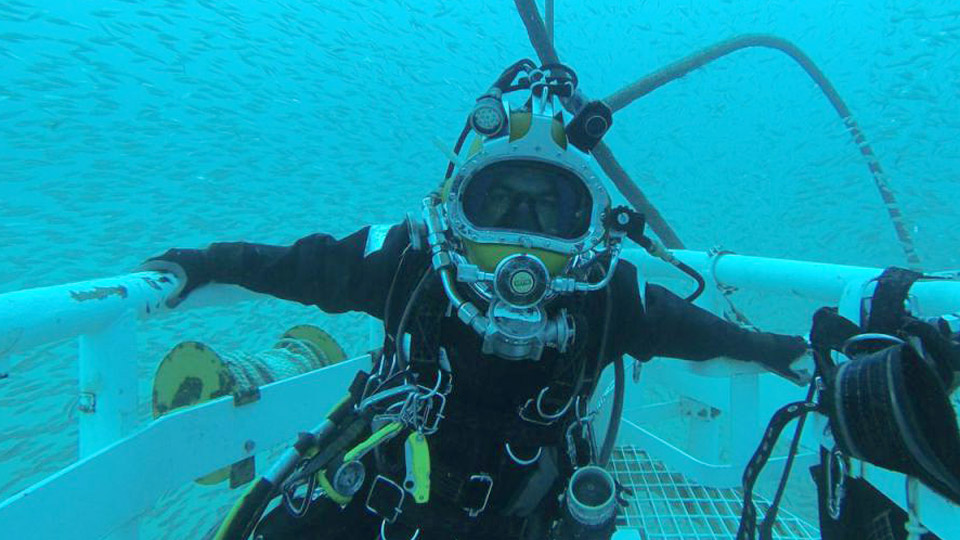
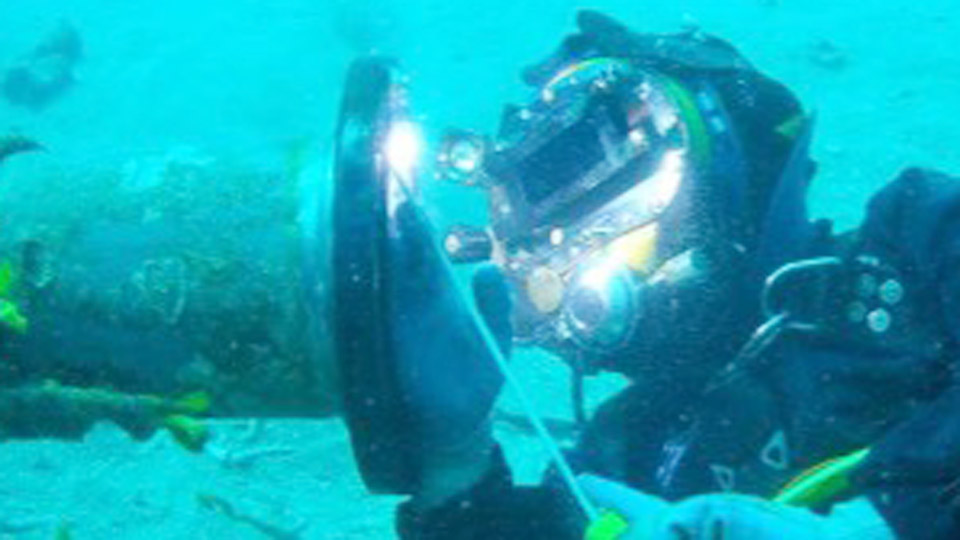
If you’re curious about which types of electrodes are used in underwater welding, you’re in for an exciting ride. As a welder who’s explored the fascinating world of welding both on land and under water, I’ve always been amazed by the skill and science behind underwater welding.
It’s a unique trade that combines welding expertise with diving know-how, and the electrodes used are critical to getting it right.
Photo by prodivertc
I’ve spent time learning about this from seasoned underwater welders and even tried my hand at some wet welding practice. It’s not easy! I’m here to break it all down for you in simple terms, like we’re chatting over a coffee in my workshop.
If you’re a welder, a diver, or just curious, I’ll walk you through the electrodes used in underwater welding and why they matter.
What Is Underwater Welding, and Why Are Electrodes Important?
Underwater welding is exactly what it sounds like—welding metal underwater. It’s used to repair ships, pipelines, oil rigs, and other structures in oceans, rivers, or lakes. There are two main types: wet welding, done directly in the water, and dry welding, done in a sealed chamber. Wet welding is more common, and that’s where electrodes come into play.
Electrodes are the key to creating strong welds underwater. They carry the electric current that forms the arc to melt the metal. In underwater welding, electrodes need to be tough enough to work in wet, high-pressure conditions.
I once watched a welder repair a ship’s hull underwater, and the electrode’s performance was make-or-break. The wrong electrode can lead to weak welds, porosity, or even equipment failure. Knowing which electrodes to use is crucial for safety and quality.
The Challenges of Underwater Welding
Welding underwater isn’t like welding on land. Water conducts electricity, so there’s a risk of shocks. The pressure increases with depth, affecting the arc and weld quality. Bubbles from the welding process can mess with visibility.
I tried a practice weld in a tank, and the bubbles made it hard to see my work. Plus, the electrode must burn steadily despite being submerged.
Electrodes for underwater welding are specially designed to handle these challenges. They have waterproof coatings and are formulated to produce stable arcs in wet conditions. I’ve learned that picking the right electrode depends on the job, the metal, and the environment. Let’s explore the main types used in wet welding, since that’s where electrodes are most critical.
Types of Electrodes Used in Underwater Welding
Underwater welding mostly relies on stick welding (Shielded Metal Arc Welding, or SMAW) for wet welding. The electrodes are consumable, meaning they melt to form the weld. Here are the main types I’ve come across, each with its own strengths.
1. Ferritic Electrodes (Rutile-Based)
Ferritic electrodes, often rutile-based, are the most common in underwater welding. Rutile is a mineral that helps create a stable arc and produces a shielding gas to protect the weld.
These electrodes are great for general-purpose welding on steel structures like ship hulls or pipelines. I’ve seen them used in training sessions because they’re forgiving and easy to handle.
They have a thick, waterproof coating to keep the flux dry underwater. This coating also helps the electrode burn smoothly despite water pressure. I’ve heard welders praise rutile electrodes for their versatility—they work in shallow or deep water and on various steel thicknesses. The welds are strong but not always the prettiest, which is fine for structural repairs.
The downside? They can produce more slag (a crusty layer) that needs cleaning. I’ve watched divers chip away slag underwater, which isn’t fun. Still, for most underwater jobs, ferritic electrodes are a solid choice.
2. Basic Electrodes (Low-Hydrogen)
Basic electrodes, or low-hydrogen electrodes, are used when you need extra-strong welds with less risk of cracking. They’re called low-hydrogen because their flux minimizes hydrogen in the weld, which can cause brittleness. I’ve learned these are ideal for high-strength steel or critical repairs, like on oil rig supports.
These electrodes have a waterproof coating, like ferritic ones, but their flux is different. They produce cleaner welds with less porosity, which is crucial underwater where water can sneak into the weld pool. I’ve talked to welders who prefer low-hydrogen electrodes for deep-water jobs because they handle pressure well.
The catch? They’re trickier to use. You need a steady hand to maintain the arc, and they don’t tolerate dirty or rusty metal as well as rutile electrodes. I’ve seen beginners struggle with them in practice. They also need to be stored in dry conditions to avoid moisture pickup, which can be a hassle underwater.
3. Oxidizing Electrodes
Oxidizing electrodes are less common but useful for specific underwater jobs. They have a flux that produces a lot of oxygen, helping the arc burn through water and create a stable weld pool. I’ve heard they’re used for cutting or gouging metal underwater, like removing damaged sections of a pipeline.
These electrodes are great for fast penetration on thick steel. Their flux also helps clear away impurities, which is handy in murky water. I’ve seen videos of divers using oxidizing electrodes to prep metal before welding, and the arc looked intense even underwater.
The downside is their welds aren’t as strong or clean as ferritic or basic electrodes. They’re more for rough work than precision. I wouldn’t use them for critical structural welds, but they’re a lifesaver for prep or demolition tasks.
4. Stainless Steel Electrodes
Stainless steel electrodes are used when welding stainless steel or corrosion-resistant alloys underwater. They’re common for repairs on ships or pipelines that need to resist saltwater corrosion. I’ve talked to welders who use these for high-end jobs, like fixing yacht hulls or offshore platforms.
These electrodes have a waterproof coating and a flux tailored for stainless steel. They produce clean, strong welds that hold up in harsh marine environments. I’ve seen stainless welds underwater, and they look almost as good as dry welds. They’re also good for joining dissimilar metals, like steel to stainless.
The drawback? They’re expensive and require skill to use. The arc can be finicky, and you need a clean surface for good results. I’ve heard divers complain about the cost, but for corrosion-resistant repairs, they’re worth it.
Comparing Underwater Welding Electrodes
Still not sure which electrode to use? Here’s a table based on my experience and talks with underwater welders:
| Electrode Type | Best For | Pros | Cons |
|---|---|---|---|
| Ferritic (Rutile) | General steel repairs, ship hulls | Versatile, easy to use, stable arc | More slag, less clean welds |
| Basic (Low-Hydrogen) | High-strength steel, critical welds | Strong, clean welds, low porosity | Tricky to use, needs clean metal |
| Oxidizing | Cutting, gouging, thick steel prep | Fast penetration, clears impurities | Rough welds, not for structural use |
| Stainless Steel | Stainless steel, corrosion-resistant alloys | Clean, durable welds, corrosion-resistant | Expensive, needs skill, clean surface |
This table has helped me understand which electrode fits each underwater job. It all depends on the metal, the repair type, and the conditions.
How Electrodes Are Designed for Underwater Welding
Electrodes for underwater welding aren’t just regular stick electrodes. They’re built to handle water, pressure, and electrical challenges. Here’s what makes them special, based on what I’ve learned:
Waterproof Coating: The flux is coated with a waterproof layer, like wax or resin, to keep it dry. I’ve seen electrodes dipped in special coatings to ensure they work underwater.
Stable Arc: The flux is formulated to maintain a steady arc despite water’s conductivity. This took me a while to wrap my head around—welding underwater feels like magic!
Gas Bubble Formation: The flux creates a gas bubble around the weld pool to shield it from water. I’ve watched this in training tanks, and the bubble is like a tiny shield.
Durability: Electrodes are designed to withstand high pressure at depth. I’ve heard welders talk about using them 100 feet down with no issues.
These features make underwater electrodes unique. I once tried a regular electrode in a wet welding test, and it fizzled out fast. Always use the right ones for the job.
Preparing for Underwater Welding
Using the right electrode is only part of the puzzle. Preparation is key to safe and strong welds underwater. Here’s how I’ve seen it done:
Clean the Metal: Remove rust, marine growth, or dirt with a wire brush or grinder. I’ve watched divers scrub metal underwater to prep it. Clean metal means better welds.
Choose the Right Electrode: Match the electrode to the metal and job. I’ve learned to check the project specs before diving in.
Store Electrodes Properly: Keep electrodes in a dry, sealed container to avoid moisture. I’ve heard of welders ruining batches by letting them get damp.
Check Equipment: Ensure your welding machine, cables, and electrode holder are waterproof and in good shape. I’ve seen shocks happen from faulty gear.
I once helped prep for a practice weld, and skipping these steps led to a weak joint. Prep is everything in underwater welding.
Safety in Underwater Welding
Underwater welding is one of the most dangerous jobs out there. Electrodes play a role in safety, but you need to take extra precautions. Here’s how I’ve seen welders stay safe:
Use Insulated Gear: Waterproof gloves, suits, and electrode holders prevent shocks. I’ve tried wet welding gear, and it’s bulky but lifesaving.
Check for Leaks: Ensure cables and equipment are sealed. I’ve heard of shocks from tiny cable tears.
Work with a Team: Divers and surface support monitor each other. I’ve seen teams communicate constantly to keep everyone safe.
Limit Dive Time: Decompression sickness is a risk at depth. I’ve learned welders plan dives carefully to avoid it.
I once talked to a welder who got a shock underwater because of a bad cable. Safety is non-negotiable in this trade.
Common Mistakes to Avoid
Underwater welding is unforgiving, and I’ve heard about plenty of mistakes. Here are some to watch out for:
Using the Wrong Electrode: Picking a ferritic electrode for a stainless job can ruin the weld. I always double-check the metal type.
Poor Prep: Skipping cleaning or using damp electrodes leads to bad welds. I’ve seen porous welds from rushed prep.
Ignoring Safety: Faulty gear or solo diving can be deadly. I’ve heard horror stories of welders cutting corners.
Overworking Electrodes: Trying to stretch an electrode beyond its length causes arc instability. I’ve learned to swap them out on time.
I once saw a practice weld fail because the electrode was damp. Attention to detail saves the day underwater.
Tips for Success in Underwater Welding
Here are some tricks I’ve picked up from welders and my own experience:
Practice on Land First: Master stick welding before trying it underwater. I’ve spent hours practicing to get the feel right.
Know Your Electrodes: Understand each type’s strengths. I keep a cheat sheet for quick reference.
Stay Calm Underwater: Bubbles and low visibility can stress you out. I’ve learned to breathe steady and focus.
Communicate Clearly: Use hand signals or radios with your team. I’ve seen smooth jobs thanks to good communication.
These tips have helped me and others tackle underwater welding with confidence. It’s a tough trade, but preparation makes it manageable.
When to Use Dry Welding Instead
While wet welding relies on electrodes, dry welding (done in a sealed chamber) doesn’t always use them. Dry welding produces cleaner, stronger welds, like on critical pipelines.
I’ve talked to welders who prefer dry welding for deep or high-stakes jobs. It’s safer and less affected by water, but it’s expensive and takes more setup.
If the job demands perfect welds or you’re working at extreme depths, dry welding might be better. I’ve seen dry chambers used for oil rig repairs, and the results were flawless. For most repairs, though, wet welding with the right electrodes gets the job done.
Conclusion
Underwater welding is an incredible skill, and choosing the right electrodes makes all the difference. I’ve learned this through years of exploring the trade, talking to welders, and trying it myself.
Ferritic electrodes are versatile for general repairs, basic electrodes ensure strong welds, oxidizing electrodes handle rough prep work, and stainless steel electrodes tackle corrosion-resistant metals.
Each has its place, and knowing when to use them sets you up for success. With proper prep, safety, and practice, you can create strong welds even in the toughest underwater conditions.
Frequently Asked Questions
What’s the most common electrode for underwater welding?
Ferritic (rutile-based) electrodes are the most common. They’re versatile and easy to use for steel repairs.
Can I use regular stick electrodes underwater?
No, regular electrodes aren’t waterproof. They’ll fizzle out or cause bad welds. Use underwater-specific ones.
Are low-hydrogen electrodes better for underwater welding?
They’re great for high-strength or critical welds, but they’re trickier to use and need clean metal.
Do stainless steel electrodes work for all underwater jobs?
No, they’re best for stainless steel or corrosion-resistant alloys. They’re too expensive for regular steel.
How do I store underwater welding electrodes?
Keep them in a dry, sealed container. Moisture ruins their performance, and I’ve seen damp ones fail.
Are oxidizing electrodes good for welding?
They’re better for cutting or gouging than welding. Their welds are rough and not ideal for structural repairs.