When I first tried stick welding thin sheet metal, it felt almost impossible — one wrong move and the metal would melt away like butter. I’d strike an arc, see a decent puddle forming, and then boom — a hole right through the panel. It took me a lot of trial, error, and a few choice words in the shop to finally figure out what was really going wrong.
The trick isn’t just lowering the amperage — it’s about fine-tuning your arc length, picking the right electrode, and prepping your joint properly so the heat spreads evenly.
Most welders think MIG or TIG are the only options for thin material, but with some patience and control, stick welding can absolutely do the job — clean, strong, and without burn-through. In this guide, I’ll break down exactly how I stick weld thin sheet metal the right way, using real-world techniques you can trust to get professional-looking results.

Image by hotelrosabela
What Is Stick Welding and Why Use It for Thin Sheet Metal?
Stick welding, or shielded metal arc welding (SMAW), uses a flux-coated electrode to create an arc that melts the base metal and filler. It’s rugged, versatile, and works outdoors, making it a go-to for many welders. But thin sheet metal? That’s where things get dicey. The intense heat from stick welding can easily burn through or distort delicate materials.
So why bother? Stick welding is often the only option in the field—think construction sites or remote repairs where a TIG or MIG rig isn’t practical. It’s also budget-friendly for DIYers who already own a stick welder. With the right technique, rods, and settings, you can achieve strong, clean welds on thin stock. I’ve used it to patch up a rusted truck bed, and with practice, it’s doable.
Common Challenges with Thin Sheet Metal
Thin sheet metal conducts heat fast, leading to warping or burn-through. The key is controlling heat input. Too much amperage or a slow travel speed, and you’ll have a hole instead of a weld. Too little, and you get a weak, incomplete joint. I learned this the hard way when I tried welding a 20-gauge panel with a 1/8-inch rod—big mistake. The panel looked like Swiss cheese.
Another issue is material prep. Thin metal is unforgiving; rust, paint, or oil will ruin your weld. And don’t get me started on fit-up—gaps wider than a hair’s breadth can make your life miserable.
Choosing the Right Electrode for Thin Sheet Metal
Picking the right stick electrode is half the battle. For thin sheet metal, you want rods that deposit less filler and run cooler to avoid overheating. Here’s what I’ve found works best.
Best Rods for Thin Metal
6013 Electrodes: These are my go-to for thin sheet metal, especially 1/16-inch or 5/64-inch diameters. They produce a soft arc with minimal penetration, perfect for 16- to 20-gauge steel. The slag peels off easily, leaving a smooth bead.
7014 Electrodes: Similar to 6013 but with a slightly hotter arc, these are great for slightly thicker stock (14- to 16-gauge). They’re forgiving for beginners.
6011 Electrodes: These penetrate deeper, so I only use them on thin metal when I need to cut through rust or paint. They’re trickier to control but useful in a pinch.
Avoid 6010 or 7018 rods for super thin stuff—they run too hot and deposit too much filler, increasing burn-through risk. Stick with small-diameter rods (1/16-inch or 5/64-inch) to keep heat low.
Pro Tip: Rod Storage
I once left my 6013 rods in a damp garage, and the flux was crumbling by the time I used them. Store electrodes in a dry, sealed container or a rod oven if you’re a pro. Moisture in the flux leads to porosity and weak welds.
Machine Settings for Stick Welding Thin Sheet Metal
Getting your welder dialed in is critical. Too much heat, and you’re toast. Too little, and the arc won’t sustain. Here’s how I set up my machine for thin sheet metal.
Amperage Settings
For 16- to 20-gauge steel with a 1/16-inch 6013 rod, I start at 30-50 amps on a DC machine (DCEN polarity). For 5/64-inch rods, I bump it to 50-70 amps. AC welders work too, but DC gives better control. Every machine is different, so test on scrap first.
Here’s a quick reference table:
| Material Thickness | Rod Size | Amperage Range (DC) | Polarity |
|---|---|---|---|
| 20-gauge (0.036 in) | 1/16-inch | 30-40 amps | DCEN |
| 18-gauge (0.048 in) | 1/16-inch | 35-50 amps | DCEN |
| 16-gauge (0.060 in) | 5/64-inch | 50-70 amps | DCEN |
| 14-gauge (0.075 in) | 5/64-inch | 60-80 amps | DCEN |
Polarity Matters
Stick welding thin metal usually calls for DC electrode negative (DCEN). This puts more heat on the rod and less on the workpiece, reducing burn-through. I’ve tried DCEP (electrode positive), but it’s too aggressive for thin stock. AC can work with 6013 rods if your machine doesn’t have DC, but expect a less stable arc.
Common Mistake: Cranking the Amps Too High
I’ve seen new welders set their machine to 100 amps thinking it’ll make the weld stronger. Nope. You’ll just burn holes. Start low, test, and adjust up in small increments.
Preparing Thin Sheet Metal for Welding
Prep work is non-negotiable. Thin metal shows every flaw, so take your time.
Cleaning the Metal
Remove rust, paint, oil, or grease with a wire brush, grinder, or acetone. I once skipped this step on a galvanized sheet and ended up with a porous weld and a coughing fit from the fumes. If it’s galvanized, grind off the zinc coating and work in a well-ventilated area—zinc fumes are no joke.
Joint Fit-Up
Tight joints are key. A gap wider than 1/32-inch makes welding harder. Clamp or tack weld the pieces to keep them snug. For lap or butt joints, I use small tack welds every inch to hold things in place.
Backing Bars for Support
For super thin metal (20-gauge or less), I sometimes use a copper or aluminum backing bar. It absorbs heat and prevents blow-through. Just don’t weld the backing bar to your workpiece—been there, done that.
Step-by-Step Guide to Stick Welding Thin Sheet Metal
Here’s my tried-and-true process for stick welding thin sheet metal. Follow these steps, and you’ll get clean, strong welds.
Step 1: Gather Your Gear
You’ll need:
- Stick welder (DC preferred)
- 1/16-inch or 5/64-inch 6013 or 7014 rods
- Welding helmet (auto-darkening, shade 9-11)
- Leather gloves and jacket
- Angle grinder or wire brush
- Clamps or magnets
- Scrap metal for practice
Step 2: Set Up Your Welder
Set your machine to DCEN, 30-50 amps for 1/16-inch rods. Test on scrap metal to dial in the arc. You want a crisp, stable arc without excessive spatter.
Step 3: Prep the Metal
Grind or brush both sides of the joint. Ensure a tight fit-up. If you’re welding a butt joint, consider a backing bar for extra support.
Step 4: Tack Weld
Make small tack welds (about 1/8-inch long) every inch along the joint. Keep the arc short and quick to avoid overheating. Check alignment after tacking.
Step 5: Run the Bead
Hold the rod at a 10-15° angle from vertical, leaning in the direction of travel. Use a short arc length—about the thickness of the rod. Move fast but steady, aiming for a “stitch” or “whip” technique:
- Strike the arc.
- Pause briefly (1-2 seconds) to deposit filler.
- Whip the rod forward slightly, letting the puddle cool.
- Return and repeat.
This keeps heat low and prevents burn-through. Aim for a bead width about 2-3 times the rod diameter.
Step 6: Inspect and Clean
Once the weld cools, chip off the slag with a chipping hammer and wire brush the bead. Look for smooth, consistent welds without cracks or holes. If you see porosity or burn-through, lower your amps or speed up your travel.
Step 7: Practice, Practice, Practice
If your first weld looks rough, don’t sweat it. I burned through plenty of sheet metal before I got the hang of it. Keep tweaking your settings and technique on scrap.
Techniques to Avoid Burn-Through
Burn-through is the enemy when stick welding thin sheet metal. Here are my go-to techniques to keep it at bay.
Stitch Welding
Instead of a continuous bead, I use a stitch weld—short bursts of welding with pauses to let the metal cool. It’s like sewing with an arc. This works great on 18-gauge or thinner.
Whip and Pause
The whip technique is a lifesaver. You strike the arc, hold it briefly, then whip the rod forward to break the arc momentarily. This controls heat input and keeps the puddle small.
Skip Welding
For long seams, I weld short sections (1-2 inches) and skip to another spot to let the first cool. This prevents warping, especially on large panels like car hoods.
Common Mistake: Lingering Too Long
I once got distracted while welding a trailer fender and held the arc too long. The result? A gaping hole. Keep moving, and don’t let the arc sit in one spot.
Safety Considerations for Stick Welding Thin Sheet Metal
Welding is inherently risky, and thin metal adds unique challenges. Here’s how to stay safe.
Ventilation
Thin metal heats up fast, and any coatings (like zinc) can release toxic fumes. I weld outdoors or use a shop fan to keep air moving. A respirator is a must for galvanized steel.
Fire Hazards
Sparks from stick welding can fly 20 feet or more. I keep a fire extinguisher nearby and clear my work area of flammable materials like rags or cardboard. Once, a spark landed on a pile of sawdust in my shop—luckily, I caught it before it became a problem.
PPE (Personal Protective Equipment)
Wear a leather welding jacket, gloves, and a helmet with a proper shade (9-11 for low-amperage stick welding). Thin metal doesn’t mean less UV exposure—your eyes and skin need protection.
Comparing Stick Welding to Other Processes for Thin Sheet Metal
Stick welding isn’t the only way to join thin metal. Here’s how it stacks up against MIG and TIG.
| Process | Pros | Cons |
|---|---|---|
| Stick | Portable, affordable, works outdoors | Tricky on thin metal, more slag |
| MIG | Easier for beginners, cleaner welds | Expensive setup, less portable |
| TIG | Precise, clean, ideal for thin metal | Requires skill, costly equipment |
For DIYers on a budget or pros in the field, stick welding is often the most practical choice. But if you’re in a shop with a TIG welder, it’s usually easier for thin stock.
Real-World Applications of Stick Welding Thin Sheet Metal
Stick welding thin metal is common in:
- Automotive Repairs: Patching rusted panels or exhaust systems.
- HVAC Work: Fabricating or repairing ducting.
- Custom Fabrication: Building lightweight frames or art pieces.
- Farm Repairs: Fixing gates or equipment with thin steel.
I once helped a buddy repair a 16-gauge steel gate on his farm using a portable stick welder. The job was outdoors, and MIG wasn’t an option. With 6013 rods and a low-amp setting, we got it done without warping the gate.
Troubleshooting Common Weld Imperfections
Even with the best prep, things can go wrong. Here’s how to fix common issues.
Porosity (Holes in the Weld)
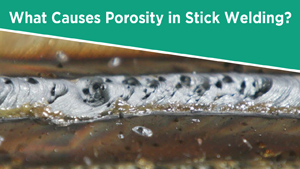
Caused by dirty metal or damp rods. Clean the workpiece thoroughly and store rods properly. If it’s still an issue, try a fresh rod or increase your travel speed.
Burn-Through
Lower your amperage or use the stitch/whip technique. A backing bar can also help. I’ve saved many a project with a piece of copper pipe as a makeshift backer.
Warping
Thin metal warps easily. Use skip welding and clamps to hold the metal flat. If it’s already warped, you may need to heat and bend it back into shape carefully.
Conclusion
Stick welding thin sheet metal is like threading a needle with a sledgehammer—it’s tough but doable with the right approach. By choosing small-diameter 6013 or 7014 rods, dialing in low amperage (30-50 amps for 1/16-inch rods), and mastering techniques like stitch welding, you can create strong, clean welds without burning through or warping.
Proper prep—cleaning, tight fit-up, and maybe a backing bar—sets you up for success. Safety is non-negotiable; always wear PPE and ensure good ventilation. You’re now armed with the know-how to tackle thin sheet metal like a pro. Whether you’re patching a car panel, building a custom box, or fixing farm equipment, these tips will save you time, material, and frustration.
Pro Tip: Always keep a piece of scrap metal nearby to test your settings before diving into the real project—it’s a small step that saves big headaches.
FAQ
What’s the best electrode for stick welding thin sheet metal?
For thin sheet metal (16- to 20-gauge), 1/16-inch 6013 electrodes are ideal. They produce a soft arc, minimal penetration, and easy-to-remove slag, making them perfect for delicate work.
Can I stick weld thin metal without burning through?
Yes, by using low amperage (30-50 amps), small-diameter rods (1/16-inch), and techniques like stitch or whip welding. A backing bar also helps absorb heat and prevent blowouts.
Is stick welding better than MIG for thin sheet metal?
MIG is generally easier for thin metal due to its smoother arc and lower heat input. However, stick welding is more portable and affordable, making it a solid choice for fieldwork or budget-conscious DIYers.
How do I prevent warping when stick welding thin metal?
Use skip welding or stitch welding to control heat. Clamp the metal securely to keep it flat, and consider a backing bar to dissipate heat. Weld in short bursts and let the metal cool between passes.
What safety gear do I need for stick welding thin sheet metal?
Wear a welding helmet (shade 9-11), leather gloves, a welding jacket, and closed-toe boots. Ensure good ventilation, especially with galvanized steel, and keep a fire extinguisher nearby for stray sparks.