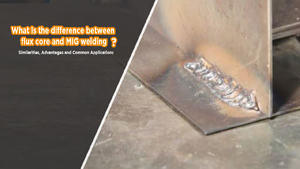
If you’re wondering about “flux-cored vs solid wire” for MIG welding, you’re tackling a question that can make or break your welds. I’ve been MIG welding for years—fixing trailers, building gates, and even crafting custom car parts in my shop—and choosing the right wire is one of the most important decisions you’ll make.
Both flux-cored and solid wire have their strengths, but they’re suited for different jobs, conditions, and skill levels. It’s like picking between a hammer and a screwdriver—both are great, but you need the right tool for the task.

I’m going to break down the differences between flux-cored and solid wire, share my experiences, and help you decide which one’s best for your welding projects. I’m writing this like we’re chatting over a workbench, keeping it simple and engaging for welders across the USA, whether you’re a beginner or a seasoned pro. Let’s spark up and dive into the world of MIG welding wires!
What Is MIG Welding Wire?
Before we compare the two, let’s talk about MIG welding wire. MIG welding, or Metal Inert Gas welding, uses a continuous wire fed through a gun to create an arc that melts the wire and the base metal, forming a weld. The wire acts as both the electrode and the filler material. You also use a shielding gas (or flux in some cases) to protect the weld from air, which can cause defects.
I started MIG welding with solid wire, but I’ve since used both types for all sorts of projects. The wire you choose affects your weld’s strength, appearance, and ease of use. Flux-cored and solid wire are the main options, and each has its own vibe. Let’s see what makes them tick.
What Is Solid Wire?
Solid wire is a thin, solid metal wire, usually made of mild steel, stainless steel, or aluminum. It’s the classic choice for MIG welding. You pair it with a shielding gas, like argon or a CO2/argon mix, to protect the weld. Common solid wires include ER70S-6 for mild steel or ER308L for stainless.
I used solid wire when I welded a car fender for a friend. With ER70S-6 wire and a 75% argon/25% CO2 mix, I got smooth, clean beads with barely any spatter. Solid wire is great for clean metal in controlled settings, like a shop with good ventilation. It’s my go-to for indoor projects because it’s precise and produces nice-looking welds.
What Is Flux-Cored Wire?
Flux-cored wire is a hollow wire filled with flux—a powdery substance that creates a shielding gas when it burns. Some flux-cored wires are “gas-shielded,” meaning you still use an external gas, while others are “self-shielded,” meaning the flux does all the shielding, so no gas is needed. Common flux-cored wires include E71T-1 (gas-shielded) and E71T-11 (self-shielded).
I first tried flux-cored wire when welding a rusty gate outdoors. I used self-shielded E71T-11, and it was a game-changer—no gas bottle to haul, and it burned through the rust like butter. Flux-cored is messier, with more spatter and slag, but it’s tough as nails for outdoor or dirty metal jobs.
How Do They Work in MIG Welding?
Both wires work in a MIG welder, but they behave differently. With solid wire, the shielding gas flows through the gun, creating a clean environment for the weld. The arc is stable, and the weld pool is smooth, making it easy to control. I’ve found solid wire gives me tight, pretty beads, especially on clean steel.
Flux-cored wire, on the other hand, relies on the flux inside the wire. When it burns, it releases a gas shield (and sometimes slag) to protect the weld. Self-shielded flux-cored wire is awesome for windy conditions because you don’t need a gas bottle. I welded a trailer frame in a breezy field, and flux-cored didn’t flinch. But the arc can be less stable, and you’ll deal with spatter and slag cleanup.
Differences Between Flux-Cored and Solid Wire
Let’s get to the meat of it: how do these wires stack up? I’ve used both in all kinds of situations, and here’s what I’ve learned about their differences.
Weld Appearance and Cleanliness
Solid wire wins for clean, attractive welds. It produces minimal spatter, and there’s no slag to chip off. I welded a stainless steel exhaust with ER308L solid wire, and the beads looked like they belonged in a showroom—smooth and shiny.
Flux-cored wire is messier. It creates more spatter, and self-shielded wires leave slag that you have to clean. I used E71T-11 on a construction site, and while the welds were strong, I spent extra time chipping and brushing. If looks matter, solid wire is your friend.
Shielding Method
Solid wire needs an external shielding gas, like 75/25 argon/CO2 for steel or pure argon for aluminum. You need a gas bottle, regulator, and hoses, which adds to the setup. I’ve had to lug a gas tank to jobs, and it’s a hassle in tight spaces.
Flux-cored wire can be self-shielded, so you skip the gas. This makes it super portable. I welded a fence post in the middle of nowhere with self-shielded flux-cored wire, and it was just me and my welder. Gas-shielded flux-cored still uses gas, but it’s less common in my experience.
Penetration and Strength
Flux-cored wire often gives deeper penetration, especially on thicker or dirtier metal. I welded 1/2-inch steel plates with E71T-1, and the welds were deep and strong, perfect for heavy-duty jobs. It’s great for structural work where strength is everything.
Solid wire has good penetration but not as deep. It’s better for thinner materials or when you need control. I used ER70S-6 on 1/8-inch steel for a car frame, and the welds were plenty strong but more precise. For max strength on thick metal, flux-cored has the edge.
Suitability for Dirty or Rusty Metal
Flux-cored wire is a beast on dirty, rusty, or painted metal. The flux burns through surface junk, so you don’t need to clean as much. I welded a rusty gate with E71T-11, and it saved me hours of grinding.
Solid wire needs clean metal. Rust or oil can cause porosity—tiny holes in the weld. I learned this the hard way when I rushed a job and got porous welds. If your metal’s grimy, go flux-cored or spend time cleaning for solid wire.
Portability and Outdoor Use
Flux-cored wire, especially self-shielded, is king for outdoor welding. Wind blows away shielding gas, but flux-cored doesn’t care. I welded a trailer hitch in a gusty field, and self-shielded wire worked like a charm.
Solid wire struggles outdoors unless you have a windbreak. I tried it once in a breeze, and the gas shield got disrupted, leaving weak welds. If you’re welding outside or on the go, flux-cored is your best bet.
Cost and Equipment Needs
Solid wire is cheaper per pound, but you need a gas setup, which adds cost. A gas bottle, regulator, and hoses can run $150-$300 upfront. I bought a gas setup for my shop, and it’s worth it for clean welds, but it’s an investment.
Flux-cored wire is pricier per pound, but self-shielded wire skips the gas cost. My self-shielded setup is just the welder and wire, making it cheaper for occasional outdoor jobs. For long-term use, solid wire with gas might save money.
Skill Level and Ease of Use
Solid wire is easier for beginners. The arc is stable, and the weld pool is smooth, so you get clean beads with less practice. I taught my nephew MIG welding with ER70S-6, and he was laying decent beads in a day.
Flux-cored wire is trickier. The arc can be choppy, and spatter makes it messier. I struggled with flux-cored at first—my welds were sloppy until I got the hang of it. If you’re new, start with solid wire and move to flux-cored later.
Flux-Cored vs Solid Wire Comparison
Here’s a table to sum up the differences:
| Feature | Solid Wire | Flux-Cored Wire |
|---|---|---|
| Weld Appearance | Clean, minimal spatter, no slag | Messier, more spatter, slag (self-shielded) |
| Shielding | Requires external gas (e.g., 75/25 Ar/CO2) | Self-shielded or gas-shielded |
| Penetration | Good, better for thin to medium metal | Deeper, great for thick or dirty metal |
| Dirty Metal | Needs clean surface | Welds rusty or dirty metal |
| Outdoor Use | Poor in wind, needs windbreak | Excellent, especially self-shielded |
| Cost | Cheaper wire, but gas setup adds cost | Pricier wire, no gas for self-shielded |
| Ease of Use | Easier, stable arc, beginner-friendly | Trickier, choppy arc, more skill needed |
| Best For | Indoor, clean metal, thin materials | Outdoor, dirty metal, thick materials |
My Experiences with Flux-Cored and Solid Wire
I’ve used both wires in all kinds of projects, and each has saved my bacon in different ways. Let me share a couple of stories to show how they compare.
Solid Wire: Car Frame Repair
I was fixing a rusty car frame for a buddy, and the metal was mostly clean after some grinding. I chose ER70S-6 solid wire with a 75/25 gas mix. The shop was indoors, so gas was no issue. The welds were smooth as butter, with just a few specks of spatter.
I laid long, clean beads on 1/8-inch steel, and the frame was rock-solid. The only prep was cleaning the surface, and setup was quick. Solid wire was perfect for this controlled, indoor job.
Flux-Cored: Outdoor Gate Repair
Another time, I was called to fix a wrought iron gate on a windy hill. The gate was rusty, and hauling a gas bottle wasn’t an option. I grabbed my welder and some E71T-11 self-shielded flux-cored wire. The wire burned through the rust, and the wind didn’t affect the shield.
The welds were strong but messy—I had to chip slag and grind spatter. It wasn’t pretty, but the gate’s been standing for years. Flux-cored was a lifesaver for that outdoor, no-fuss job.
These experiences taught me that neither wire is “better”—it’s about the job at hand.
When to Use Solid Wire
I reach for solid wire when:
- I’m welding indoors with clean metal, like in my shop.
- I need clean, attractive welds, like for furniture or exhausts.
- I’m working on thin to medium-thick materials (1/16 to 1/4 inch).
- I have a gas setup and want minimal cleanup.
For example, I welded a mild steel coffee table frame with ER70S-6, and the beads were so clean I barely needed to grind. Solid wire is my choice for precision and aesthetics.
When to Use Flux-Cored Wire
I go for flux-cored wire when:
- I’m welding outdoors, especially in windy conditions.
- The metal is dirty, rusty, or painted, and I can’t clean it much.
- I’m working on thick materials (1/4 inch and up) that need deep penetration.
- I don’t want to deal with a gas bottle, like on remote jobs.
I used E71T-1 gas-shielded flux-cored wire for a construction job on 1/2-inch steel plates, and the deep penetration made the welds bombproof. Self-shielded flux-cored is my pick for quick, rugged repairs.
Tips for Welding with Flux-Cored and Solid Wire
I’ve learned some tricks to get the best out of both wires. Here’s what works for me:
- Clean for Solid Wire: Use a grinder or wire brush to remove rust, oil, or paint. I clean twice to avoid porosity.
- Adjust Amperage: Solid wire needs 80-120 amps for 1/8-inch steel; flux-cored needs 100-150 for the same. I test on scrap first.
- Use the Right Gas: For solid wire, 75/25 argon/CO2 is standard. Gas-shielded flux-cored might need 100% CO2. Check the wire’s label.
- Control Spatter: For flux-cored, use anti-spatter spray and keep the arc short. I learned this after a messy gate job.
- Drag for Flux-Cored: Pull the gun (drag technique) for flux-cored to reduce slag inclusions. Push for solid wire.
- Practice Arc Control: Solid wire’s stable arc is forgiving, but flux-cored’s choppy arc needs a steady hand. I practiced on scraps to get it right.
These tips have saved me from bad welds and wasted wire. Practice makes all the difference.
Challenges of Each Wire
Both wires have their quirks. Here’s what I’ve run into:
Solid Wire: Needs clean metal and a gas setup, which isn’t always practical. I had weak welds once because of a windy spot.
Flux-Cored Wire: Messy with spatter and slag, and the arc can be hard to control. My first flux-cored welds were sloppy until I dialed in the settings.
Prep and practice solve most issues. I always set up my welder carefully and test on scrap to avoid ruining a project.
Safety Tips for MIG Welding with Both Wires
Safety is huge in my shop, especially with MIG welding. Here’s how I stay safe:
- Wear a Helmet: An auto-darkening helmet (shade 10-12) protects your eyes from the arc. I got arc flash once—never again.
- Use Leather Gear: Gloves, jacket, and boots block sparks. I’ve got burn scars from skipping gloves early on.
- Ventilate: Flux-cored fumes are heavier than solid wire’s. I weld outside or use a fume extractor indoors.
- Check Gas Lines: For solid wire or gas-shielded flux-cored, inspect hoses for leaks. A leaky regulator cost me a bottle once.
- Keep Fire Away: Sparks from either wire can ignite rags or grease. I keep a fire extinguisher handy.
I’ve seen welders get hurt by rushing, so gear up and take your time. It’s worth it to finish the day safe.
Why Choosing the Right Wire Matters
Picking between flux-cored and solid wire isn’t just about preference—it’s about getting the job done right. Solid wire gives you clean, precise welds for indoor projects, while flux-cored tackles tough, outdoor jobs with ease.
I’ve learned that the wrong wire can lead to weak welds, extra cleanup, or even a failed project. Matching the wire to your metal, environment, and goals saves time, money, and frustration.
I keep both wires in my shop because each has its moment to shine. It’s like having a toolbox with multiple tools—you pick the one that fits the task.
Conclusion
So, flux-cored vs solid wire—what’s the verdict? It depends on your project, and I’ve used both to pull off some awesome welds. Solid wire is your go-to for clean, indoor welds on thin to medium metal, giving you smooth beads with minimal fuss.
Flux-cored wire is a beast for outdoor jobs, dirty metal, or thick plates, delivering deep, strong welds even in tough conditions. Each has its strengths, and knowing when to use them is the key to welding like a pro.
If you’re fixing a car in Ohio or building a gate in Texas, these wires will help you create welds you’re proud of. Grab your MIG welder, stock up on both wires, and start experimenting. You’ll find the perfect match for every job. If you hit a snag, just picture me saying, “Test it, tweak it, and weld it!” Happy welding!
FAQs
Which is better for beginners, flux-cored or solid wire?
Solid wire is better for beginners. Its stable arc and clean welds are easier to control. I started with ER70S-6 and learned fast.
Can I use flux-cored wire indoors?
Yes, but it’s messy. Use gas-shielded flux-cored with good ventilation, or stick to solid wire for cleaner indoor welds.
Do I need a special welder for flux-cored wire?
No, most MIG welders handle both. For self-shielded flux-cored, you might need to adjust polarity (check your welder’s manual). I flipped a switch on mine.
Why do my flux-cored welds have so much spatter?
Spatter comes from high amps, a long arc, or improper technique. Lower the amps, keep the arc short, and use anti-spatter spray. I learned this after a messy job.
Can I weld aluminum with flux-cored wire?
No, flux-cored wire is mainly for steel or stainless. For aluminum, use solid wire (like 5356) with a spool gun and pure argon gas.
Is flux-cored wire stronger than solid wire?
Flux-cored often gives deeper penetration, making it stronger for thick or dirty metal. Solid wire is strong too but better for thinner materials.
Can I use solid wire outdoors?
It’s tough. Wind blows away the shielding gas, weakening welds. Use a windbreak or switch to self-shielded flux-cored for outdoor jobs.