If you’re getting into MIG welding, setting the right gas pressure is one of the most important details to get right. It’s easy to overlook, but gas pressure can make a huge difference in your welding results. Too low, and you’re dealing with porosity; too high, and you might be wasting gas and money.

Image by powerjury
So, what exactly is the ideal gas pressure for MIG welding? I’ll take you through everything you need to know, from why gas pressure matters to what settings work best. You’ll have a solid grasp on how to set up your MIG welder for clean, strong welds.
Why Gas Pressure Matters in MIG Welding
In MIG (Metal Inert Gas) welding, the shielding gas protects your weld pool from atmospheric contamination. When oxygen and other gases mix into the molten weld pool, they can create defects like porosity or oxidation, compromising the strength and appearance of your weld.
That’s why it’s crucial to set the right gas pressure—enough to create an effective shield, but not so much that it leads to gas turbulence or waste.
For most MIG welding tasks, gas pressure is an adjustable setting, allowing you to fine-tune based on the metal thickness, wire feed speed, and type of shielding gas. Finding that sweet spot can improve both the quality of your welds and the efficiency of your setup.
Ideal Gas Pressure for Different Types of Shielding Gases
The ideal gas pressure for MIG welding depends on the type of shielding gas you’re using. MIG welding typically uses one of these two gases or a mix of both:
- Argon (100%): Often used for welding non-ferrous metals, like aluminum.
- Carbon Dioxide (CO₂): Used on its own for welding steel, though it can produce more spatter.
- Argon-CO₂ Mix (usually 75% Argon, 25% CO₂): The most common for general-purpose steel welding, offering a balance between quality and cost.
Each gas type requires slightly different settings to achieve the best results.
Chart of Recommended Gas Pressure for MIG Welding
| Shielding Gas Type | Ideal Pressure Range | Best Uses |
|---|---|---|
| 100% Argon | 15-25 CFH | Aluminum and non-ferrous metals |
| 100% CO₂ | 20-30 CFH | Steel |
| 75% Argon / 25% CO₂ | 15-25 CFH | Steel (general-purpose) |
| 90% Argon / 10% CO₂ | 15-20 CFH | Thicker steel for minimal spatter |
Most welders find that a gas flow rate between 15 and 25 cubic feet per hour (CFH) works well for general MIG welding with a standard Argon-CO₂ mix.
Setting Up the Gas Pressure on Your MIG Welder
Setting the gas pressure on your MIG welder is straightforward, but each setup has a few unique elements. Here’s a step-by-step guide:
Turn on the Gas Cylinder: Slowly open the valve on your gas cylinder to start the flow.
Check for Leaks: Spray a soapy water solution around the connections to make sure there are no leaks. Bubbles will indicate a leak that needs tightening.
Set the Flow Rate: Most MIG welders have a flow meter or a pressure gauge to help you set the gas flow rate. Adjust the regulator until it reads the ideal pressure for your gas type.
You should make these adjustments while holding down the trigger on your MIG gun. This activates the gas flow and allows you to see the actual working pressure.
Factors That Affect Gas Pressure in MIG Welding
The gas pressure setting isn’t universal—it can depend on various factors that affect how much gas is needed to shield the weld effectively. Here are a few key considerations:
- Material Thickness: Thicker materials require slightly higher gas flow rates to maintain proper coverage.
- Work Environment: If you’re welding outdoors or in a drafty area, a higher flow rate helps prevent the gas from being blown away.
- Type of Joint: Complex joints with deeper grooves might need higher gas flow to protect the entire weld area.
- Gas Nozzle Size: A larger nozzle will disperse gas over a larger area and might require a higher flow rate.
When welding in windy or drafty conditions, increasing your gas flow rate by 5-10 CFH can help keep the shield intact.
Mistakes When Setting Gas Pressure
Even experienced welders sometimes misjudge gas pressure. Here are a few common mistakes to avoid:
Setting Pressure Too High: More isn’t always better. High gas pressure can cause turbulence, pulling oxygen into the weld pool.
Running Without Testing for Leaks: A small gas leak can lead to wasted gas and poor weld quality. Always check for leaks before starting.
Ignoring Environmental Factors: Even indoors, fans or air conditioning can disturb your shielding gas. Adjust your pressure accordingly.
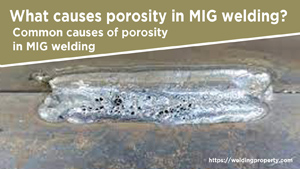
If you’re noticing porosity (tiny bubbles) or spatter, it’s usually a sign your gas pressure needs adjusting.
Fine-Tuning Your Gas Pressure for the Best Results
Once you have your gas pressure set to the recommended range, try a few test welds on scrap metal. Watch for signs of a stable weld pool and even bead formation. Here’s how to fine-tune further:
Watch the Arc Stability: If the arc sounds smooth and stable, your gas flow is likely on point. Spattering or inconsistent sounds can indicate a pressure issue.
Check for Porosity: Bubbles or pinholes in the weld bead suggest your gas flow might be too low.
Observe Bead Shape: An ideal gas pressure should produce a clean, smooth bead without excessive spatter.
Adjust in small increments, and take note of how each change affects the weld quality.
FAQs About Gas Pressure Settings in MIG Welding
What gas pressure is recommended for MIG welding steel?
For steel, a 75% Argon / 25% CO₂ mix at 15-25 CFH generally works best. CO₂ on its own can be used at around 20-30 CFH.
Can I use the same gas pressure for indoor and outdoor welding?
Not always. Outdoor or drafty conditions might require a slight increase in gas flow to prevent the shielding gas from being blown away.
How do I know if my gas pressure is too high?
If you’re experiencing excessive spatter or turbulence around the weld, your pressure may be set too high.
Can gas pressure impact weld quality?
Yes, improper gas pressure can lead to defects like porosity, oxidation, and poor bead formation.
Conclusion
Setting the ideal gas pressure for MIG welding can seem like a small detail, but it’s one of the most important factors for producing strong, clean welds. After years of MIG welding, I’ve found that getting the gas pressure right can make a world of difference in the finished product.
By sticking within recommended pressure ranges and making small adjustments based on your specific setup and environment, you’ll be well on your way to producing smooth, strong welds every time.
Next time you fire up your MIG welder, try adjusting your gas pressure based on the tips in this guide, and see how it enhances your work. Small changes in settings can make a big impact, and once you find the right balance, your welding will improve noticeably.
If you’re a beginner or a seasoned welder, keeping your gas pressure optimized is a simple but effective way to step up your welding game.