
When I first heard about no gas MIG welders, I was curious yet skeptical. MIG welding is known for its simplicity, but the thought of eliminating shielding gas entirely seemed both fascinating and a bit intimidating.
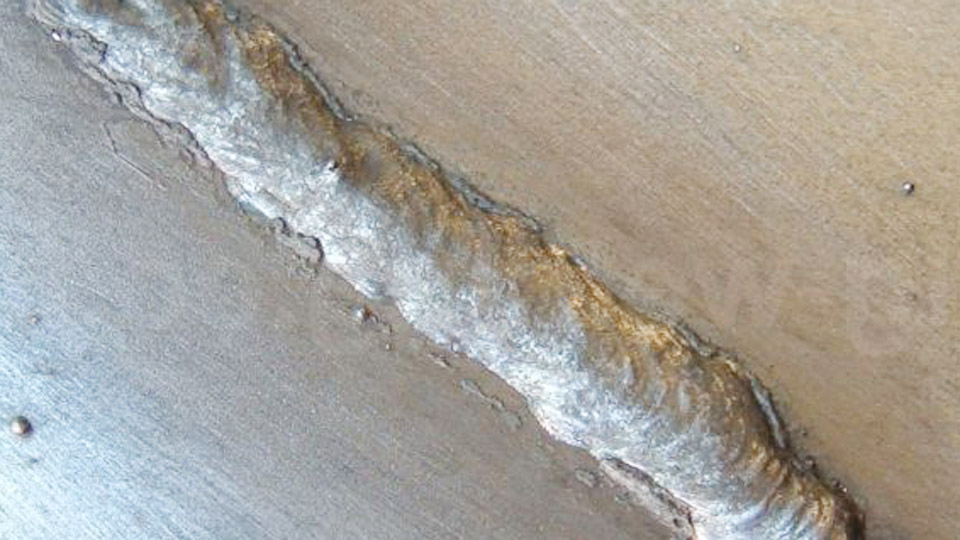
Image by mig-welding.co.uk
If you’re just getting started with welding or looking for a more budget-friendly and portable solution, no gas MIG welding can be a game-changer.
Let me take you through everything I’ve learned about this method and help you decide if it’s the right fit for you.
What Is No Gas MIG Welding?
No gas MIG welding, also known as flux-cored arc welding (FCAW), is a type of welding that doesn’t require a separate shielding gas to protect the weld pool.
It uses a special wire that contains flux. As the wire melts during welding, the flux creates a protective shield around the molten metal, preventing oxidation and contamination.
This makes no gas MIG welding incredibly convenient, especially for beginners, as you don’t need to deal with gas cylinders, regulators, or hoses. It’s also great for outdoor projects where wind might blow away traditional shielding gas.
Why Choose a No Gas MIG Welder as a Beginner?
If you’re new to welding, there are several reasons why a no gas MIG welder might be a great starting point:
- Simplicity: With fewer components to manage, no gas MIG welders are easier to set up and operate.
- Cost-Effective: You save money by not needing to purchase shielding gas.
- Portability: Without gas cylinders, these welders are lightweight and easier to move around.
- Versatility: They work well on a variety of metals, including mild steel and galvanized steel.
- Outdoor Use: Wind doesn’t affect the protective shielding created by the flux.
How Does a No Gas MIG Welder Work?
The key to no gas MIG welding lies in the flux-cored wire. This wire is hollow and filled with flux, which burns and produces gases when heated. These gases create a shield around the weld pool, protecting it from oxygen and moisture in the air.
Here’s a simple breakdown of the process:
- Wire Feeding: The flux-cored wire is fed through the welding gun.
- Arc Formation: An electric arc forms between the wire and the base metal, melting both.
- Flux Action: The flux burns, creating gases and a layer of slag that shields the weld.
- Weld Formation: As the metals cool, they solidify into a strong joint, with the slag layer protecting the surface.
Choosing the Right No Gas MIG Welder
Selecting the right welder is crucial, especially if you’re just starting. Here’s what to look for:
Power Output
No gas MIG welders typically operate on either 110V or 220V power. For beginners, a 110V welder is sufficient for light-duty tasks, while a 220V machine is better for thicker metals.
Wire Compatibility
Ensure the welder supports flux-cored wire and check the recommended wire diameter. Most beginner-friendly machines work with 0.030” or 0.035” wires.
Duty Cycle
The duty cycle determines how long you can weld before the machine needs to cool down. For beginners, a 20-30% duty cycle at maximum output is adequate.
Portability
If you plan to move the welder frequently, opt for a compact and lightweight model.
Budget-Friendly Options
Beginner-friendly models like the Forney Easy Weld 140 FC-i or Hobart Handler 125 are excellent choices.
Setting Up Your No Gas MIG Welder
Before you start welding, it’s essential to set up your machine correctly. Here’s how I do it:
Wire Installation
Install the flux-cored wire onto the spool holder and feed it through the liner and out of the welding gun. Make sure the wire tension is properly adjusted to prevent feeding issues.
Polarity Adjustment
No gas MIG welders require DC electrode negative (DCEN) polarity. Check your machine’s manual to switch the polarity if needed.
Choose the Right Settings
Adjust the voltage and wire feed speed according to the thickness of the material. Most welders come with a chart or guide to help you set these parameters.
Techniques for No Gas MIG Welding
Welding with a no gas MIG welder requires a slightly different approach compared to traditional MIG welding. Here are some tips to get you started:
Push Technique
Always use the push technique, where you angle the gun slightly forward and push it along the weld path. This provides better visibility and cleaner welds.
Travel Speed
Maintain a steady travel speed. Moving too fast can result in weak welds, while moving too slow can create excessive spatter.
Gun Angle
Keep the gun at a 10-15 degree angle to the workpiece for optimal shielding.
Clean the Metal
Although flux-cored welding is more forgiving, it’s still essential to remove rust, paint, and oil from the base metal.
Practice on Scrap Metal
Before tackling your project, practice on scrap pieces to get a feel for the machine and adjust your technique.
Advantages of No Gas MIG Welding
I’ve found several benefits to using a no gas MIG welder:
- Ease of Use: Perfect for beginners who want to focus on learning the basics.
- Cost Savings: No need to invest in gas cylinders or regulators.
- Versatility: Works well on dirty or rusted metals.
- Portability: Lightweight and easy to carry to different job sites.
- All-Weather Performance: Ideal for outdoor welding, even in windy conditions.
Limitations of No Gas MIG Welding
While no gas MIG welding is convenient, it does have some limitations:
- More Spatter: Flux-cored welding produces more spatter than traditional MIG welding.
- Slag Removal: You’ll need to chip away the slag after welding.
- Thicker Materials Only: It’s not suitable for thin metals, as it can cause burn-through.
- Less Aesthetic: The welds may not be as clean or polished as gas-shielded welds.
Comparing No Gas MIG Welding with Traditional MIG Welding
| Feature | No Gas MIG Welding | Traditional MIG Welding |
|---|---|---|
| Shielding Method | Flux-Cored Wire | External Gas (e.g., Argon) |
| Portability | High | Lower (requires gas cylinder) |
| Spatter | More | Less |
| Outdoor Use | Excellent | Limited (gas can blow away) |
| Weld Appearance | Rougher | Smoother |
| Cost | Lower | Higher |
Common Mistakes to Avoid
When I started using a no gas MIG welder, I made a few mistakes. Here are some pitfalls to watch out for:
- Skipping Metal Preparation: Even though flux-cored wire is forgiving, cleaning the metal improves weld quality.
- Incorrect Polarity: Using the wrong polarity can result in poor penetration and excessive spatter.
- Wrong Wire Size: Match the wire diameter to the thickness of your material for the best results.
- Ignoring Travel Speed: Consistent speed is crucial for a strong weld.
My Experience with No Gas MIG Welding
When I first used a no gas MIG welder, I was surprised by how straightforward it was. The lack of gas cylinders made the setup process much quicker, and the portability was a huge plus. I did notice more spatter compared to gas-shielded welding, but a little cleanup with a wire brush solved that issue.
I’ve come to appreciate the versatility and convenience of no gas MIG welding. It’s not perfect for every project, but for outdoor tasks or when I’m in a pinch, it’s an excellent option.
Frequently Asked Questions
Can a no gas MIG welder be used indoors?
Yes, but ensure proper ventilation, as flux-cored welding produces more fumes than traditional MIG welding.
What metals can I weld with a no gas MIG welder?
It’s best suited for mild steel, but it can also handle galvanized steel and some stainless steel with the right wire.
How do I reduce spatter during welding?
Adjust your voltage and wire feed speed, and practice maintaining a steady travel speed.
Is no gas MIG welding suitable for thin metals?
It’s challenging to weld thin metals without burn-through. Consider a gas-shielded setup for such tasks.
Do I need a special welder for flux-cored welding?
Most MIG welders can handle flux-cored wire, but always check the machine specifications to be sure.
Conclusion
No gas MIG welders are a fantastic option for beginners looking to learn the basics of welding without breaking the bank. They’re simple, portable, and versatile, making them ideal for DIY enthusiasts and hobbyists.
While they may not produce the cleanest welds or handle every project, they’re a reliable choice for many applications. With practice and proper preparation, you can achieve strong, high-quality welds using a no gas MIG welder.
If you’re considering getting started, don’t hesitate to give it a try. It’s a skill that pays off in the long run and opens the door to countless creative and practical projects.


