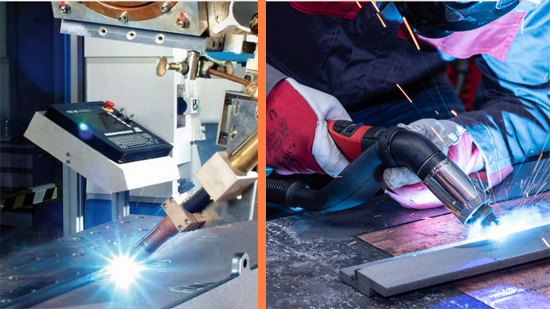
Welding technology has come a long way, and today, we have multiple welding methods designed for different applications. One common debate in the welding industry is whether laser welding is stronger than TIG welding. If you’re working with metal fabrication, manufacturing, or repairs, this question might have crossed your mind.
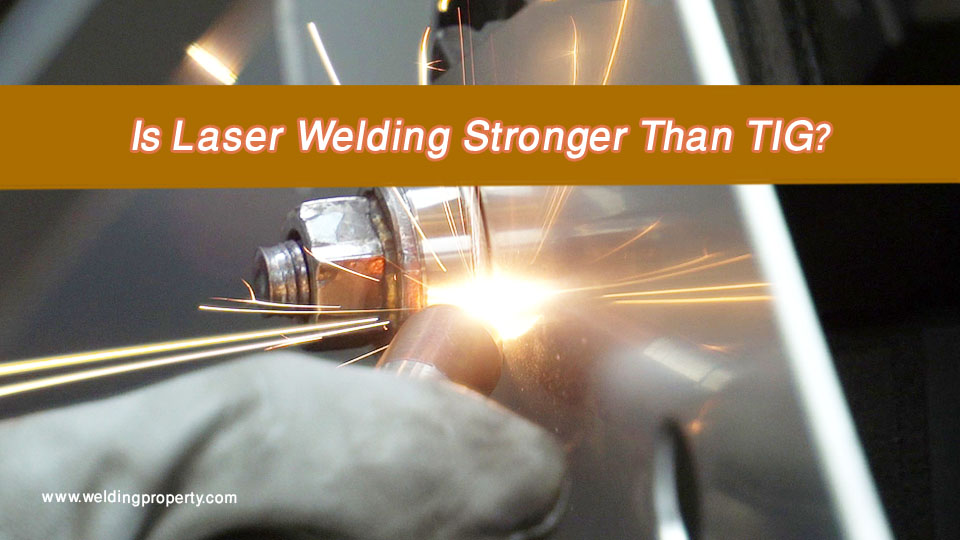
Image by cobot.systems
I’ve spent quite some time exploring both welding techniques, and I can tell you—each method has its strengths and weaknesses. Choosing the right one depends on what you’re trying to achieve.
Let’s dive deep into laser welding and TIG welding, compare their strength, and see which one might be the best for your specific needs.
Laser Welding
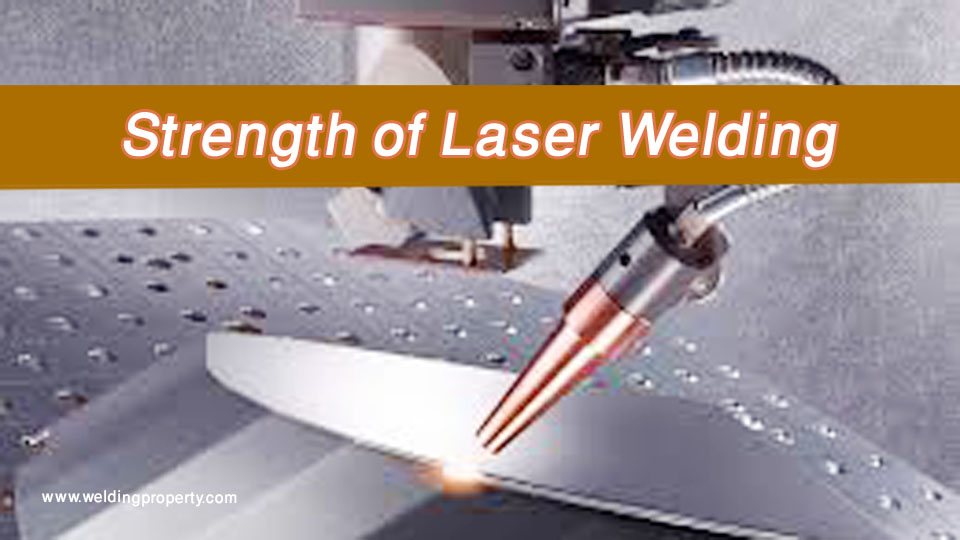
Laser welding is a high-precision technique that uses a concentrated beam of light to melt and join metals. This method is known for producing clean and strong welds with minimal heat input. It’s commonly used in industries where precision is crucial, such as aerospace, medical devices, and electronics.
The biggest advantage of laser welding is its ability to create deep and narrow welds with minimal distortion. Since the laser beam is highly focused, the heat-affected zone (HAZ) is smaller compared to traditional welding methods. This means less material weakening and improved overall weld strength.
How TIG Welding Works
TIG (Tungsten Inert Gas) welding, also known as Gas Tungsten Arc Welding (GTAW), is a highly controlled and precise process that uses a non-consumable tungsten electrode to produce a weld. The process is slower compared to other welding methods but offers excellent weld quality and precision.
TIG welding is widely used in industries that require strong and high-quality welds, such as automotive, aerospace, and piping. It allows welders to work on thin materials and achieve aesthetically pleasing welds without the need for excessive finishing.
Strength Comparison: Laser Welding vs TIG Welding
Now, let’s address the big question—Is laser welding stronger than TIG welding? The answer depends on several factors, such as material type, joint design, and application. Here’s a detailed comparison:
| Feature | Laser Welding | TIG Welding |
|---|---|---|
| Weld Strength | High tensile strength, especially on thin materials | Strong, but depends on the welder’s skill |
| Heat Input | Low, reduces material distortion | Higher, can lead to warping in thin metals |
| Precision | Extremely precise, ideal for delicate parts | Precise but requires steady hand control |
| Speed | Fast, great for automation | Slower, requires manual skill |
| Material Thickness | Best for thin to medium-thickness metals | Works well for thin to thick metals |
| Cost | Expensive equipment, high initial investment | More affordable, widely accessible |
Laser welding tends to be stronger than TIG welding when working with thin materials because it creates a deep and concentrated weld. The precision and low heat input also prevent material warping, leading to a cleaner and stronger final product.
TIG welding provides excellent strength for thicker materials, but it depends on the skill of the welder. If not done correctly, TIG welds can have defects like porosity or weak fusion.
Advantages of Laser Welding Over TIG Welding
If you’re considering laser welding, here are some key benefits it offers over TIG welding:
Higher Precision: Since laser welding uses a concentrated beam, it provides pinpoint accuracy, making it ideal for delicate and intricate parts.
Minimal Heat-Affected Zone: The low heat input prevents warping and distortion, which is beneficial for thin materials.
Faster Welding Speeds: Laser welding can complete a weld in seconds, making it highly efficient in mass production.
Automated Capabilities: Most laser welding machines are designed for automation, reducing human error and increasing consistency.
Less Post-Weld Cleaning: Since laser welding produces minimal spatter, there’s little need for grinding or polishing afterward.
When TIG Welding Is the Better Choice
While laser welding has its advantages, TIG welding is still a strong contender for certain applications:
More Affordable: The cost of a TIG welding setup is significantly lower than a laser welding machine, making it more accessible.
Stronger for Thick Materials: If you’re welding thick metals, TIG welding allows better fusion and penetration.
Versatile Material Compatibility: TIG welding can be used for a wider range of metals, including steel, aluminum, titanium, and copper.
Better for Repairs and Custom Work: Since TIG welding is a manual process, it allows greater flexibility for on-the-spot repairs and custom fabrication.
Which One Should You Choose?
Choosing between laser welding and TIG welding depends on your project requirements.
- Go for laser welding if:
- You need high-precision and clean welds.
- You are working with thin materials.
- You want faster welding speeds and automation.
- You need minimal heat distortion.
- Go for TIG welding if:
- You are working with thicker metals.
- You need a cost-effective solution.
- You require a strong manual weld for repairs or custom work.
- You are welding different types of metals.
Conclusion
So, is laser welding stronger than TIG welding? In many cases, yes—especially for thin materials where precision and minimal heat input are key factors.
Laser welding creates a deep and narrow weld with excellent tensile strength. However, TIG welding still holds its ground, especially when working with thick metals that require strong joint penetration.
If cost is a major factor, TIG welding is the better choice, as laser welding requires expensive equipment. But if you need speed, precision, and automation, laser welding is the future.
Both welding methods have their place in the industry, and the best choice depends on your specific needs. If you’re looking for a welding process that provides durability, accuracy, and efficiency, understanding the strengths of each technique will help you make the right decision.
FAQs
Is laser welding more expensive than TIG welding?
Yes, laser welding machines are expensive compared to TIG welding setups. However, they offer automation and precision, which can save time and labor costs in large-scale production.
Can laser welding replace TIG welding?
Laser welding is an advanced method, but it cannot fully replace TIG welding. TIG welding remains essential for applications requiring manual control, thicker materials, and cost-effective welding solutions.
Which welding method is better for beginners?
TIG welding is better for beginners because it is more accessible and affordable. Laser welding requires specialized equipment and training to operate effectively.
Does laser welding require filler material?
In most cases, laser welding does not require filler material. It relies on fusion welding, where the metal parts are melted and joined together without additional material.
Which welding method is stronger for automotive applications?
Both methods are used in the automotive industry. Laser welding is preferred for precision parts, while TIG welding is used for structural components requiring high strength.
Is laser welding suitable for DIY projects?
Not really. Laser welding machines are expensive and typically used in industrial applications. TIG welding is a better choice for DIY metalwork and small projects.
Laser welding and TIG welding both have their advantages, and choosing the right one depends on your needs. If you’re working with precision welding on thin materials, laser welding is a great choice. But if you need strong, durable welds on thick materials, TIG welding is the way to go.