Gasless MIG welding is a fantastic option for beginners who want to start welding without dealing with gas tanks and extra equipment. I remember when I first got into welding, and gasless MIG welding seemed like the easiest way to get started. It’s simple, effective, and great for outdoor welding, making it a great choice for DIY projects, home repairs, and even small fabrication jobs.
If you’re just getting into welding, this method can be a game-changer. It uses a special type of wire called flux-cored wire, which produces its own shielding gas as it melts. This eliminates the need for an external gas tank, making the process more portable and convenient.
Let’s dive into everything you need to know about gasless MIG welding, from how it works to tips for getting the best results.
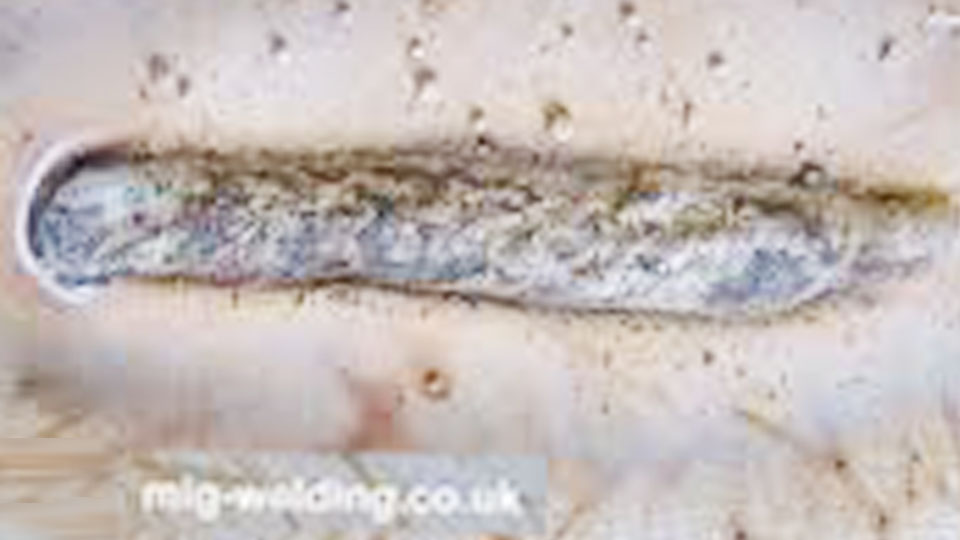
Image by mig-welding.co.uk
What Is Gasless MIG Welding?
Gasless MIG welding, also known as flux-cored arc welding (FCAW), is a variation of traditional MIG welding that doesn’t require a separate shielding gas. Instead, it uses flux-cored wire, which generates a protective gas when it melts. This shields the weld from contaminants like oxygen and moisture, preventing defects and ensuring a strong bond.
Unlike standard MIG welding, which requires a bottle of argon or CO2 gas, gasless MIG welding is more portable and works well in outdoor conditions. The process is commonly used for structural welding, repairs, and home projects.
Why Choose Gasless MIG Welding?
Gasless MIG welding offers several advantages, especially for beginners. Here are some reasons why it’s a great option:
No Need for Gas Tanks: You don’t have to buy or transport gas cylinders, which saves money and effort.
Works Well Outdoors: Wind can blow away shielding gas in traditional MIG welding, but flux-cored wire produces its own protection, making it better for outdoor work.
Stronger Welds on Thick Metal: The process allows for deep penetration, making it ideal for heavy-duty welding.
Simple Setup: Since you don’t need a separate gas supply, setting up a gasless MIG welder is quicker and easier.
Good for Rusty or Dirty Metal: The flux in the wire helps clean the weld area, making it more forgiving when working with less-than-perfect materials.
Equipment Needed for Gasless MIG Welding
If you’re just starting, you’ll need the right equipment to ensure smooth welding. Here’s what you’ll need:
A Gasless MIG Welder
Make sure the welder supports flux-cored welding. Some MIG welders are designed to work with both gas and gasless wire, while others are gas-only. Look for a welder with adjustable settings for better control.
Flux-Cored Wire
This is the key to gasless MIG welding. Flux-cored wire comes in different thicknesses, typically ranging from 0.030” to 0.035” for beginner projects. E71T-11 is a common flux-cored wire that works well for most mild steel welding.
Welding Helmet
A good auto-darkening helmet will protect your eyes and face while giving you clear visibility as you work.
Gloves and Protective Clothing
Wear heavy-duty welding gloves, a welding jacket, and proper boots to protect yourself from sparks and heat.
Wire Brush and Chipping Hammer
Since flux-cored welding produces slag, you’ll need a wire brush and chipping hammer to clean up the welds.
Setting Up Your Gasless MIG Welder
Setting up a gasless MIG welder is fairly simple. Here’s how you can do it step by step:
Install the Flux-Cored Wire
Open the welder’s side panel and insert the spool of flux-cored wire. Make sure to feed it through the drive rollers properly. The rollers should be grooved to match the wire size.
Set the Polarity
Gasless MIG welding requires DCEN (Direct Current Electrode Negative), also called straight polarity. This is different from gas MIG welding, which typically uses DCEP (Electrode Positive). Check your welder’s manual and switch the polarity to DCEN.
Adjust the Wire Feed Speed and Voltage
Each type of metal and wire thickness requires different settings. Your welder might have a chart on the inside of the panel to help you choose the right voltage and wire speed. Start with a moderate setting and adjust as needed.
Prepare the Metal
Although gasless MIG welding can handle some dirt and rust, it’s always best to clean the metal for better results. Use a wire brush or grinder to remove rust, paint, and oil.
Check Your Ground Clamp
A strong ground connection ensures a steady arc. Attach the clamp securely to clean metal.
Gasless MIG Welding Techniques for Beginners
Welding is a skill that improves with practice, but these techniques will help you get started on the right foot.
Maintain a Steady Travel Speed
Moving too fast will result in weak, inconsistent welds, while moving too slow can create excessive buildup and cause burn-through. Try to maintain a steady speed, and adjust as needed based on the puddle size.
Use a Dragging Motion
With flux-cored welding, it’s best to use a dragging or pulling technique instead of pushing the weld. This helps with penetration and keeps slag from contaminating the weld. A simple rule to remember is “If there’s slag, you drag.”
Hold the Torch at the Right Angle
A slight angle, around 15-20 degrees, will give you better control and penetration. Too steep of an angle can cause spatter and uneven welds.
Adjust the Heat and Wire Speed
If your wire speed is too high, you’ll feel the wire pushing against the metal. If it’s too low, you might not get a consistent arc. Start at a mid-range setting and fine-tune based on the results.
Manage Slag and Cleanup
Flux-cored welding produces slag that must be chipped away after welding. Use a chipping hammer and wire brush to clean up the weld before inspecting or painting it.
Common Problems and How to Fix Them
Here’s a table of common gasless MIG welding problems and how to fix them:
| Problem | Cause | Solution |
|---|---|---|
| Excessive Spatter | Too much voltage or incorrect technique | Lower voltage, drag instead of push |
| Weak Penetration | Low heat settings or fast travel speed | Increase voltage, slow down |
| Burn-Through | Too much heat on thin metal | Lower voltage, move faster |
| Porosity (Holes in Weld) | Contaminated metal or too much wire speed | Clean metal, adjust settings |
| Uneven Weld Bead | Inconsistent travel speed | Practice maintaining a steady motion |
Best Projects to Practice Gasless MIG Welding
For beginners, starting with simple projects is the best way to get comfortable with welding. Here are some great starter projects:
- Metal Tool Rack – A simple structure with flat metal pieces.
- Welding Cart – A practical project that helps organize your tools.
- Small Metal Table – A great way to practice welding corners and angles.
- Garden Trellis or Fence Repair – Useful for home projects and yard work.
Conclusion
Gasless MIG welding is an excellent way to get started in welding. It’s easy to learn, doesn’t require a gas tank, and is great for outdoor and heavy-duty work. By choosing the right equipment, setting up your welder properly, and practicing good welding techniques, you can create strong, reliable welds with ease.
If you’re a beginner, don’t be discouraged by early mistakes. Welding is all about practice and fine-tuning your technique. Keep experimenting, make adjustments, and soon you’ll be welding like a pro.
Frequently Asked Questions (FAQs)
Can gasless MIG welding be used on aluminum?
No, gasless MIG welding is mainly for steel. Aluminum welding requires gas and a special wire.
Is gasless MIG welding good for car repairs?
It works for thick metal repairs but may not be ideal for thin body panels due to excessive heat.
Does gasless MIG welding produce more smoke?
Yes, it produces more smoke than gas-shielded welding, so proper ventilation is important.
What is the best wire for gasless MIG welding?
E71T-11 flux-cored wire is a popular choice for general-purpose welding.