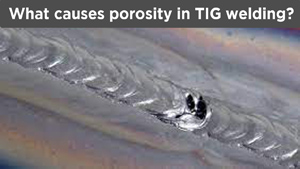
I was trying to join two thin aluminum panels when the joint didn’t quite flow the way I expected. That’s when I had to get serious about silicon bronze TIG brazing.
Unlike standard welding, brazing melts a filler metal—silicon bronze in this case—without melting the base metals, creating a strong, precise bond.
Getting the right heat, filler, and technique makes all the difference; too hot, and you risk warping, too cold, and the joint won’t fuse properly.
Understanding silicon bronze TIG brazing isn’t just about making things stick—it’s about achieving clean, durable, and aesthetically smooth joints that hold under stress.
In this guide, I’ll share practical tips, step-by-step techniques, and lessons learned from years of hands-on TIG brazing.

Image by weldingtipsandtricks
What Exactly Is Silicon Bronze TIG Brazing?
You’re trying to join two pieces of metal, but melting the base material isn’t ideal because it’ll warp or crack. That’s where silicon bronze TIG brazing comes in.
It’s essentially using your TIG torch to melt a silicon bronze filler rod—mostly copper with a bit of silicon for flowability—at around 1,900°F, while keeping the base metal below its melting point. The filler flows into the joint through capillary action, creating a bond that’s more like a braze than a full fusion weld.
In my experience, this isn’t true welding since you’re not melting the parent metal much, if at all. It’s brazing, but with the precision of TIG. The silicon in the rod helps it wet out nicely on steels, coppers, and even cast irons, reducing oxidation and giving you that golden hue.
I’ve used it on everything from patching thin exhaust tubing to overlaying worn gears, and it holds up without the high heat that’d turn your project into a pretzel.
Safety-wise, lower heat means less chance of burns or fumes from overheating coatings like zinc on galvanized steel. Penetration is shallow, which is perfect when you don’t want to blow through thin stock.
And cost? It minimizes distortion, so you spend less time hammering things straight or scrapping botched parts. I’ve seen pros skip it for structural work, but for repairs or aesthetics, it’s gold—literally.
When Should You Reach for Silicon Bronze TIG Brazing?
Not every job calls for it, but when distortion is your enemy, this is your go-to. Think thin sheet metal under 16 gauge, where regular ER70S-6 filler would warp it like a potato chip.
Or galvanized steel—zinc boils off at high temps, contaminating your tungsten and making a mess. Silicon bronze flows below that point, so you avoid the pops and sparks.
I’ve pulled it out for dissimilar metals too, like tacking copper accents onto steel sculptures. The lower melt temp prevents cracking in brittle materials like cast iron.
In real shop situations, it’s killer for auto body repairs or HVAC ductwork, where you need clean, low-heat joins that won’t leak or fatigue quickly. If your project’s about function over max strength—like non-load-bearing brackets—it’s efficient. But for high-stress beams? Stick to welding; brazed joints top out around 50,000 psi tensile, solid but not invincible.
One lesson from the shop: I once tried it on a thick structural repair, thinking it’d save time. Nope—joint failed under load. Now I assess: Is heat control critical? Will it reduce rework? If yes, silicon bronze it is.
Essential Gear for Getting Started with Silicon Bronze TIG Brazing
You don’t need fancy upgrades if you’ve got a basic TIG setup, but the right consumables make or break it. Let’s talk what you’ll grab from your toolbox or the supply house.
Choosing the Right Filler Rod
Silicon bronze rods, like ERCuSi-A, are your star here. They come in diameters from 1/16″ to 1/8″—I default to 3/32″ for most jobs because it balances flow and control. Thinner rods (1/16″) are great for delicate work on 20-gauge sheet, melting quicker without overheating. Go thicker for building up material, but grind later if needed.
In the shop, I’ve learned to check composition: 2.8-4% silicon for best wetting on steel. Avoid cheap imports; they oxidize fast and ball up. Store them clean—wipe with acetone to prevent contamination.
A personal tip: If your rod’s burning off too quick, it’s undersized for the amps. Bump up to the next diameter and dial back heat.
Tungsten Electrodes That Won’t Let You Down
Lanthanated or ceriated tungsten works best—2% lanthanated in 3/32″ diameter is my everyday choice for DC work. It holds a point well without spitting at lower amps. Avoid pure tungsten; it’s for AC aluminum and flakes here.
Sharpen to a fine point for precision, but not needle-sharp or it’ll wander. I’ve blown jobs with thoriated (it’s radioactive anyway—phase it out), but lanthanated handles the heat cycles without degrading. Size-wise, match to your rod: 3/32″ for general use, down to 1/16″ for tiny details.
Shielding Gas and Cups for Clean Flow
Straight argon at 15-20 CFH—don’t skimp, or you’ll get porosity from oxidation. Helium mixes can hotter the arc if you’re on thicker stuff, but argon’s fine 90% of the time.
Cup size matters: #8 or larger gas lens for better coverage, especially on longer beads. I’ve used #12 Furick cups for art pieces; they shield wide and let you extend the electrode for reach. Small cups (#5-7) restrict gas, leading to sooty welds.
Pro tip: If fumes are an issue (silicon bronze smokes more than steel), crank ventilation—fume extractor mandatory in tight shops.
Dialing In Your TIG Machine Settings for Silicon Bronze
Settings are where most folks trip up—it’s not like steel TIG. Start 10-20% lower amps than you’d use for welding the same thickness. Polarity? DC electrode negative (DCEN) for penetration without cleaning action—AC if you’re dealing with oxides, but it can overheat thin stock.
Amperage Ranges That Actually Work
For 16-gauge steel, I set 80-100 amps max on the pedal, modulating down to 50-60 for flow. On 1/4″ plate, bump to 120-150 to heat the spot red without puddling the base. Too low? Rod balls up. Too high? Filler evaporates, and you risk cracking.
Pulse helps: 1-2 pulses per second, 30% background current, 30-33% on time. It controls heat, preventing distortion on thin tubes. I’ve fixed bike frames this way—pulse lets you tack without blowing holes. Always test on scrap; my rule: If the base glows cherry but doesn’t melt, you’re golden.
Polarity and Balance Tips
DCEN 95% of the time—straight heat into the work. AC for galvanized or dirty metals; the cleaning cycle blasts oxides. On my Multimatic 220, I balance 70% EN for control. Don’t forget HF start to avoid scratching the tungsten.
A shop story: Early on, I ran DC too hot on galvanized—zinc everywhere, tungsten ruined. Switched to lower amps and AC, problem solved. Now I preach: Match polarity to material cleanliness.
Prepping Joints and Materials Like a Pro
Prep is half the battle—skip it, and your braze won’t stick. Cleanliness is key; silicon bronze hates oxides.
Start with degreasing: Acetone or brake cleaner on steel, brass wool on copper. For galvanized, wire brush lightly—don’t remove all zinc, or you’ll lose corrosion protection. Joint types? Lap or butt for thin stuff; V-groove if building up.
Bevel edges 30-45 degrees on thicker joints for filler flow. Fit-up tight—0.010-0.020″ gap max; capillary action fills it. I’ve learned the hard way: Loose joints lead to weak bonds. Tack with low amps first, then braze.
Material handling: Preheat brass or copper slightly (200-300°F) if thick; steel usually none. Post-braze, cool slowly to avoid cracks—no water quenching.
Step-by-Step: How to TIG Braze with Silicon Bronze
Let’s walk through a basic lap joint on 16-gauge steel—like patching a panel.
- Clean both pieces: Wire brush and degrease. Clamp for tight fit.
- Set machine: DCEN, 90 amps max, argon at 18 CFH, #8 cup, 3/32″ lanthanated tungsten pointed.
- Strike arc on scrap to test—adjust pedal for red glow without melt.
- Heat joint evenly, moving torch in small circles. When base reddens, introduce rod—dip and withdraw quickly (lay wire technique).
- Advance puddle: Filler should flow smoothly. Pulse if available to stack dimes neatly.
- Overlap beads 50% on multi-pass; keep interpass under 150°F—use temp stick.
- Finish: Wire brush while hot for shine; inspect for cracks.
I did this on a snowblower gear—built up teeth without preheating cast iron. Took practice, but now it’s routine.
Common Mistakes Even Pros Make and How to Fix Them
Beginners ball the rod by running too cold—increase amps 10-20 and heat the base more. Pros overheat, causing hot cracks—back off pedal and pulse.
Porosity? Bad gas coverage—check flow or cup. Weak joints from poor prep—reclean and re-braze. I’ve salvaged botched ones by grinding out and overlaying fresh filler.
Distortion on thin stock? Too much heat dwell—move faster, lower amps. Rod burn-off: Wrong size; upsize and modulate.
Real-World Applications in Your Shop or Garage
In fabrication, it’s ace for auto restorations—brazing panels without warping doors. DIYers love it for bike repairs; low heat preserves frames.
Pros use it on HVAC: Joining copper to steel lines leak-free. Industry workers? Overlaying corroded tanks or gears. I’ve fixed farm implements—patched thin reservoirs without draining.
For hobbyists, art pieces: Bronze color contrasts steel beautifully. Students, practice on scrap to build confidence before real jobs.
Pros and Cons: Is Silicon Bronze TIG Brazing Right for Your Project?
Let’s lay it out straight.
| Aspect | Pros | Cons |
|---|---|---|
| Heat Input | Low—minimizes distortion on thin materials | Requires precise control; easy to overheat and crack |
| Strength | Good for non-structural (50k psi tensile) | Weaker than fused welds; not for high-load applications |
| Material Compatibility | Joins dissimilar metals easily (steel to copper) | Limited on very thick stock without preheat |
| Aesthetics and Finish | Golden color; sands/paints well | Smokes more; needs good ventilation |
| Cost and Efficiency | Reduces rework; no flux needed | Filler rods pricier than steel; learning curve steep |
| Safety | Lower burn risk; handles coated steels | Fumes from silicon—extractor essential |
In my book, pros outweigh for repairs and thin work. Cons? Manageable with experience.
Keeping Safe While TIG Brazing with Silicon Bronze
Safety first—always. Fumes are harsher than steel; use a respirator or extractor. Gloves, long sleeves—no shortcuts on thin stock that heats quick.
Eye protection: #10-12 shade lens. Ventilation: Shop fan minimum, but extractor best. Fire watch on oily rags. I’ve seen sparks ignite grease—clean up.
Ground properly to avoid shocks. For students: Start supervised; heat builds fast.
Wrapping Up
Mastering this has cut my rework in half, letting me tackle jobs others pass on. You’re now armed with the know-how to pick the right rod, nail those amps, and avoid pitfalls that waste time and material. Always braze a test coupon first—it’ll save your project every time.
FAQs
Can You Use Silicon Bronze TIG Brazing on Galvanized Steel?
Absolutely, and it’s one of the best ways. The low melt temp keeps zinc intact, avoiding pops. Clean lightly, use DCEN at 70-90 amps for 18-gauge, and flow filler without puddling base. I’ve patched galvanized fences this way—no rust issues post-braze.
What’s the Best Amperage for Silicon Bronze on Thin Sheet Metal?
Aim for 60-100 amps on 16-20 gauge, pedaling down as needed. Too low balls the rod; too high warps. Test on scrap—get the base cherry red, then dip. Pulse at 1 pps helps stack neatly without excess heat.
How Do You Fix a Cracked Silicon Bronze Braze?
Grind out the crack carefully, clean with acetone, and re-braze with fresh filler. Lower amps this time to avoid reheating stress. If it’s thin, overlay for strength. I’ve rescued art pieces this way—patience is key.
Is Silicon Bronze Stronger Than Soldering for Repairs?
Way stronger—brazing hits 50k psi vs. solder’s 5-10k. Use it for mechanical repairs like tubing; solder’s for electronics. But for max strength, weld if possible.
Why Does My Silicon Bronze Rod Ball Up Instead of Flowing?
Usually too cold—bump amps 10-15 and ensure base is hot enough for wetting. Clean rod tip; oxides block flow. Practice dipping quickly under full gas shield.