Out on a grounding job, I once watched a connection fail right where it mattered most — the clamp looked fine, but the bond just couldn’t handle the load over time.
That’s when I got introduced to what-is-exothermic-welding, a process that doesn’t rely on pressure or filler wire but instead uses an intense chemical reaction to fuse metals together permanently. No arc, no machine — just heat hot enough to create a molecular bond.
In the field, especially with grounding systems and heavy-duty connections, this kind of weld isn’t just about strength — it’s about reliability that lasts for decades.
Unlike standard welding methods, there’s no loose connection, no corrosion-prone joint, and no second chances if it’s done wrong.
If you’ve never worked with it before, it can feel a bit intimidating at first. But once you understand how it works and where it’s used, it becomes one of the most dependable techniques in a welder’s skill set — and I’ll break it all down step by step.

Identifying Weld Splash Risks Across Processes
Weld splash intensity varies sharply by process, dictating exact PPE choices. High-spatter operations demand thicker cover plates and more frequent replacement, while low-spatter methods still require side protection for scattered debris.
Spatter Levels in Arc Welding Methods
SMAW produces the heaviest spatter volume—large droplets at 60-250+ amps create frequent impacts on lenses and face. MIG/GMAW at 60-250 amps generates moderate spatter with finer droplets, yet velocity remains high enough to pit unprotected surfaces.
GTAW/TIG shows minimal spatter but still ejects occasional droplets during puddle agitation or filler dips, especially on aluminum.
Flux-cored arc welding combines MIG volume with SMAW-like slag ejection. Plasma arc cutting adds high-velocity molten spray. Matching PPE to these levels avoids over-filtering (which reduces visibility) or under-protecting (which risks injury).
Secondary Hazards from Slag Removal and Grinding
Post-weld chipping launches sharp slag chips at unpredictable angles. Grinding or brushing creates abrasive particles and hot sparks. These demand impact-rated face shields over primary eye protection because helmets alone cannot stay down during non-arc tasks. Ignoring this layer turns routine cleanup into a primary injury source.
Layered PPE Systems Required for Comprehensive Splash Defense
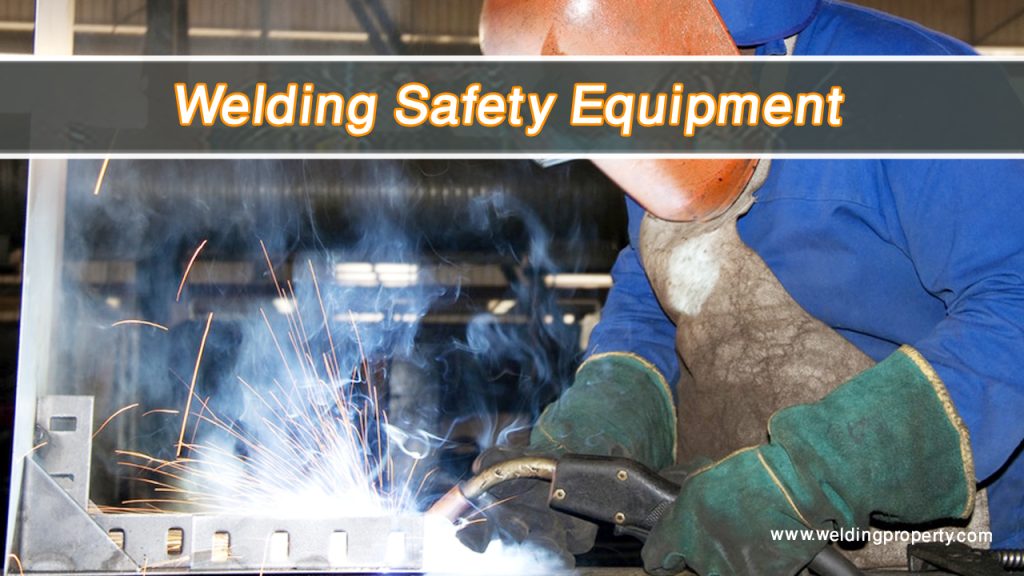
Single-item protection fails against welding realities. Helmets deflect frontal spatter but leave sides and lower face exposed when raised; secondary eyewear closes those gaps.
Welding Helmets: Shell Design and Spatter Deflection
Thermoplastic or fiberglass shells resist spatter adhesion and heat warping better than basic models. Lift-front or flip-up designs allow quick shade changes without full removal. The helmet body provides the first mechanical barrier, channeling droplets away from the face.
Choose models with extended throat guards for overhead work where slag falls vertically. Passive or auto-darkening filters inside must pair with outer cover plates to absorb initial splash energy.
Safety Glasses and Goggles: The Non-Negotiable Base Layer
ANSI Z87.1-rated safety glasses with integrated side shields or wraparound goggles form the primary defense. They block UV scatter when the helmet lifts and stop side-angle spatter that bypasses the shell. Goggles add a tighter seal for dusty environments or grinding.
Always wear them under the helmet—OSHA and industry practice treat helmets as secondary devices precisely because radiant rays and particles reach eyes from multiple directions without this layer. Prescription insert options maintain compliance without compromising fit.
Face Shields for High-Risk Tasks
Polycarbonate face shields rated for high-mass impact extend coverage during slag chipping, grinding, or heavy spatter MIG runs. They mount over safety glasses and provide full-face deflection when helmet use is impractical. Metal-coated or tinted versions add heat reflection for oxy-fuel or plasma work. Deploy them whenever the helmet stays up for more than brief checks.
Technical Specifications for Lenses and Filters
Lens construction directly determines splash resistance and optical clarity. Compliance markings and material choice separate adequate protection from failures under real arc conditions.
Meeting ANSI Z87.1 and OSHA Standards
All devices must carry ANSI Z87.1 markings (current 2020/2025 editions). Z87+ indicates high-impact testing (500g mass drop and penetration). Welding filters add “W” marking plus shade number. OSHA requires side protection wherever flying objects exist and allows combined shade numbers when glasses sit under helmets.
Droplet/splash markings (D3) apply to goggles in mixed environments. Non-compliant lenses shatter or transmit excessive UV/IR, violating 29 CFR 1910.133 and 1915.153.
Polycarbonate Cover Plates: Superior Spatter Resistance Explained
Outer and inner polycarbonate plates absorb spatter impacts without fracturing like glass. Molten droplets bead up and release more easily from polycarbonate than glass, extending service life 2–3× in practice. They deliver lightweight Z87+ impact performance while maintaining optical clarity.
Glass covers scratch less but pit faster and risk shattering on drop or impact. Replace polycarbonate covers at first visible pitting or haze—typically every 4–8 hours of heavy SMAW use versus daily glass swaps. Many auto-darkening helmets ship with polycarbonate outer plates precisely for this durability advantage.
Selecting the Correct Shade Number for Your Process
Shade selection balances protection against eye strain. Start one shade darker than needed, then lighten until the weld pool appears clearly without dropping below minimum. OSHA minimums and AWS recommendations differ slightly; professionals often use the higher AWS values for comfort.
Filter Lenses for Shielded Metal Arc Welding (SMAW)
Electrode size and current dictate shade:
- <3/32 in, <60 A: OSHA 7
- 3/32–5/32 in, 60–160 A: OSHA 8 (AWS 10)
- >5/32–1/4 in, 160–250 A: OSHA 10 (AWS 12)
- >1/4 in, 250–550 A: OSHA 11 (AWS 14)
Filter Lenses for GMAW/FCAW and GTAW
- GMAW/FCAW 60–160 A: OSHA 10 (AWS 11)
- GMAW/FCAW >250 A: OSHA 10 (AWS 14)
- GTAW 50–150 A: OSHA 8 (AWS 12)
- GTAW >150 A: OSHA 10 (AWS 14)
Plasma, air carbon arc, and cutting tables follow similar progression—full charts available in OSHA Fact Sheet 1915.153. Combined shades (glasses + helmet filter) must meet these totals when layering.
Decision Factors for Choosing Protection Based on Your Setup
Process frequency, amperage, and workspace constraints drive practical choices beyond minimum compliance.
Budget and Frequency Considerations for Hobbyists
Weekend MIG or occasional TIG users benefit from fixed-shade passive helmets with basic polycarbonate covers plus Z87+ safety glasses. A $50–80 helmet plus $15 glasses set meets most garage needs when used under 100 amps.
Prioritize quick-change cover-plate systems to avoid mid-project interruptions. Avoid cheap non-rated imports—failure under one splash negates any cost saving.
Durability Features for Professional Welders
Daily high-amp production favors auto-darkening helmets with large viewing areas (4×5 in or greater) and quick-release cover lenses. Look for thermoplastic shells with spatter-release coatings and replaceable sweatbands.
Integrated grind-mode switches eliminate helmet removal during cleanup. For multi-process shops, modular helmets accepting both fixed and ADF cartridges reduce inventory while maintaining consistent splash deflection.
Keeping Your Eye Protection Effective Through Proper Care
Even premium PPE degrades rapidly under spatter; routine protocols preserve impact ratings and clarity.
Inspection and Replacement Guidelines for Damaged Components
Check every shift: scan cover plates for pitting deeper than 0.5 mm, cracks, or haze that reduces visibility by more than 10 %. Inspect helmet shells for burn-through or warping. Replace safety-glass lenses at first scratch that catches light. Goggle straps showing stretch or knots lose seal integrity.
OSHA mandates immediate removal of any device failing visual inspection. Track replacement intervals—SMAW users typically swap outer polycarbonate covers every 1–2 shifts; MIG every 3–5.
Safe Cleaning Methods to Preserve Lens Integrity
Use only manufacturer-approved lens cleaners or mild soap and water. Avoid solvents that craze polycarbonate or strip anti-fog coatings. Wipe in straight lines with microfiber to prevent micro-scratches.
Dry thoroughly before storage to eliminate moisture-induced haze. Store in dust-free cases away from UV sources—sunlight degrades polycarbonate over time. Never use abrasive pads or glass cleaners on welding filters.
Next-Level Solutions for Demanding Welding Environments
High-production or contaminated sites require integrated systems that maintain splash protection without workflow breaks.
Auto-Darkening Technology with Splash-Optimized Lenses
ADF helmets switch in 1/25,000 second, keeping the helmet down and splash barrier intact during tack welds or repositioning. Premium models include replaceable polycarbonate outer plates and internal clear plates for dual-side protection.
Select 4–13 shade variable range with grind mode for seamless transitions. Larger sensors reduce false triggers in low-light shops.
Integrated PAPR Systems Combining Eye, Face, and Breathing Protection
Powered air-purifying respirator helmets deliver positive pressure while providing full-face polycarbonate visors rated for spatter and impact. These eliminate separate face shields for grinding and supply filtered air that reduces lens fogging.
Ideal for stainless or aluminum welding where fumes compound splash risks. Battery life and filter change schedules become critical decision factors for all-day use.
Real-world application insight
Layered protection—ANSI Z87.1 safety glasses under a spatter-resistant helmet with fresh polycarbonate covers and process-matched shade—delivers consistent arc visibility and zero downtime from eye injuries. Professionals in high-volume shops select quick-swap cover systems and ADF models to cut lens replacement labor by half while staying above minimum OSHA shade values.
The advanced insight: investing in helmets with modular internal protection plates allows shade adjustment without compromising impact rating, giving welders precise control over visibility in variable-amperage production runs that hobby setups rarely encounter. This single upgrade routinely boosts bead quality and reduces rework across MIG, TIG, and stick applications.
FAQs
Do welding helmets alone protect eyes from splashes?
No. Helmets count as secondary protection and must pair with Z87.1 safety glasses or goggles underneath to block side-angle spatter and UV scatter.
How often should polycarbonate cover plates be replaced?
Every 4–8 hours of heavy SMAW use or at first visible pitting. Lighter MIG/TIG runs extend intervals to 10–20 hours.
Can regular sunglasses substitute for welding safety glasses?
No. They lack side shields, impact rating, and proper filter shades required by ANSI Z87.1 and OSHA.
What shade works best for 200-amp MIG welding?
Start at shade 11–12 (AWS recommendation). Adjust lighter only if the pool remains clearly visible without dropping below OSHA minimum 10.