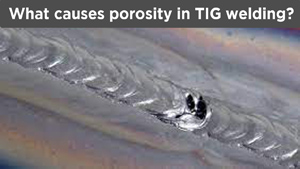
If you’re asking whether TIG welding can be done without gas, I get it—this question pops up often, especially when you’re trying to cut costs or are in a pinch.

Image by reddit
I’ve worked with TIG welding extensively and experimented with various setups, so let me guide you through the facts. The short answer? No, you really can’t TIG weld without gas if you want proper results. Here’s why, along with some alternative options to consider if gas isn’t accessible to you.
What Is TIG Welding and Why Gas Matters
TIG (Tungsten Inert Gas) welding, also called GTAW (Gas Tungsten Arc Welding), is a precise and versatile welding process. It uses a non-consumable tungsten electrode to create an arc that melts the base metal and, if needed, filler material. The result is a clean, strong weld with minimal spatter.
TIG welding is unique because it relies on shielding gas—typically argon or a mix of argon and helium—to protect the weld pool from contaminants in the atmosphere, such as oxygen and nitrogen. If these gases reach the molten metal, they can cause porosity, oxidation, and weak welds.
Without gas, TIG welding becomes impractical for most metals. It’s like trying to bake a cake without a proper oven—it might seem possible, but the results won’t be satisfying.
What Happens If You Try TIG Welding Without Gas?
If you attempt TIG welding without shielding gas, several issues arise:
- Oxidation: The molten metal reacts with oxygen in the air, forming an oxide layer that weakens the weld.
- Porosity: Air bubbles get trapped in the weld, leading to structural weaknesses.
- Poor Arc Stability: The tungsten electrode struggles to maintain a consistent arc, resulting in a messy weld.
- Discoloration: The weld will likely turn gray, black, or brown due to contamination, which makes it visually unappealing and potentially dangerous for critical applications.
In short, without shielding gas, you lose the key advantages of TIG welding—clean, high-quality welds with precision.
Why Some People Consider Welding Without Gas
Let’s be real—shielding gas can add costs and complexity to your setup. Whether it’s the expense of refilling cylinders or the hassle of transporting them, some welders wonder if skipping the gas is an option.
Sometimes, people confuse TIG welding with stick welding or flux-cored arc welding, both of which can operate without an external shielding gas. But TIG welding requires shielding gas for a reason—it’s designed to produce superior-quality welds, which isn’t possible without the right protection.
Are There Alternatives to TIG Welding Without Gas?
If you’re looking for a welding process that doesn’t require gas, there are alternatives:
| Welding Process | Shielding Gas Required? | Advantages | Disadvantages |
|---|---|---|---|
| MIG Welding (with flux core) | No (if flux-cored wire is used) | Easy to use; portable | More spatter than TIG; less precision |
| Stick Welding | No | Affordable; works well outdoors | Produces more spatter; less control over weld |
| Flux-Cored Arc Welding | No | Excellent for thick materials | Limited applications for thin materials |
While these processes might not give you the same level of precision as TIG, they’re viable options if gas availability is an issue.
Common Metals and TIG Welding Without Gas
Certain metals may seem forgiving, but TIG welding without gas isn’t effective for most of them:
Stainless Steel: TIG welding requires gas to prevent chromium carbide precipitation, which causes rusting and weakens the material.
Aluminum: This material oxidizes almost instantly without shielding gas, ruining the weld.
Mild Steel: Even though mild steel is somewhat forgiving, TIG welding without gas leads to poor penetration and contamination.
If you’re working with these materials, using gas is non-negotiable.
Can You Use a Substitute for Shielding Gas?
While pure shielding gas is best, some welders experiment with alternatives like:
- Flux Coating: In processes like stick welding, flux protects the weld pool, but it isn’t compatible with TIG.
- Vacuum Chambers: Some industries use controlled environments to weld sensitive materials, but this isn’t practical for everyday use.
Unfortunately, there’s no direct substitute for gas in TIG welding that matches the quality and convenience it provides.
Practical Tips for TIG Welding
If you’re new to TIG welding or just trying to improve, here are some tips I’ve found helpful over the years:
Invest in Quality Gas: Use high-purity argon for most metals or an argon-helium mix for thicker materials.
Maintain a Clean Setup: Keep your tungsten electrode sharp and free of contaminants. Clean the metal surfaces thoroughly before welding.
Practice Control: TIG welding requires steady hands and foot control (if you’re using a pedal). Take your time to master these skills.
Use the Right Equipment: A good TIG welder with adjustable settings can make a huge difference in the quality of your welds.
Why TIG Welding Is Worth the Effort
Yes, TIG welding requires shielding gas, and yes, it might feel like a hassle to manage. But the results are worth it. The precision, cleanliness, and strength of TIG welds make it the go-to choice for many industries, from aerospace to automotive.
When done correctly, TIG welding produces welds that look beautiful and perform reliably. It’s an art form as much as it is a technical skill, and mastering it is incredibly rewarding.
Conclusion
So, can you TIG weld without gas? The honest answer is no, not if you want strong, clean, and reliable welds. Shielding gas is an essential component of the TIG welding process, and skipping it leads to poor results. If gas isn’t an option, consider alternative welding methods like stick welding or flux-cored arc welding.
At the end of the day, TIG welding stands out for its precision and quality. By investing in the proper equipment and techniques, you’ll unlock its full potential. Trust me, it’s worth it.
FAQs
What happens if you try TIG welding without gas?
Without shielding gas, the weld will oxidize, weaken, and lose its quality due to contamination.
Can I use flux instead of gas for TIG welding?
No, TIG welding isn’t compatible with flux coatings. You’ll need shielding gas to protect the weld.
Is there a way to TIG weld without gas for small projects?
Unfortunately, no. Shielding gas is necessary for all TIG welding applications to ensure proper weld quality.
What’s the best shielding gas for TIG welding?
Argon is the most commonly used gas for TIG welding because it’s versatile and effective for various metals.
Can I use MIG welding as an alternative to TIG welding without gas?
Yes, flux-cored MIG welding can be done without external shielding gas, but it doesn’t provide the same precision as TIG welding.