Welding is an incredibly rewarding skill that combines precision, technique, and creativity. Among all the welding methods, MIG welding is often considered the most beginner-friendly.
When I first got into welding, I found MIG welding to be a fantastic starting point. It’s relatively straightforward, versatile, and less intimidating than other types like TIG or stick welding. If you’re just starting, you’re in the right place to learn how to master MIG welding techniques effectively.

Image by instructables
Let’s dive into everything you need to know, from setting up your gear to perfecting your welds. If you’re a hobbyist or looking to develop professional skills, these techniques will help you build confidence and improve quickly.
What Is MIG Welding?
MIG welding, short for Metal Inert Gas welding, is a process where a wire electrode is fed through a welding gun, creating an arc that melts the wire and base metal to form a weld. The process uses a shielding gas, typically a mix of argon and CO₂, to protect the weld pool from contamination.
The best part about MIG welding is its simplicity. The continuous wire feed and shielding gas make it a more forgiving process for beginners compared to other welding methods.
Why MIG Welding is Ideal for Beginners
When I first started welding, I quickly realized why many recommend MIG for beginners. Here are a few reasons:
- Ease of Use: MIG welding uses a continuous wire feed, so you don’t have to worry about manually feeding filler material.
- Versatility: It works on a wide range of metals, including mild steel, stainless steel, and aluminum.
- Speed: It’s faster than TIG welding, making it perfect for larger projects.
- Cleaner Welds: The shielding gas minimizes slag and spatter, making cleanup easier.
Essential Equipment for MIG Welding
Before we talk about techniques, let’s go over the tools and equipment you’ll need. Having the right setup can make a world of difference.
Welding Machine
A MIG welder is the centerpiece of your setup. Look for a machine with adjustable settings for voltage and wire feed speed. For beginners, machines with preset parameters can be helpful.
Welding Wire
The wire you choose depends on the material you’re working with. Common options include:
- ER70S-6 for mild steel.
- ER308L for stainless steel.
- ER4043 for aluminum.
Shielding Gas
Most beginners use a 75% argon and 25% CO₂ mix, which provides excellent weld quality. Pure CO₂ is cheaper but can create more spatter.
Safety Gear
Safety is non-negotiable. Equip yourself with:
- A Welding Helmet with an auto-darkening feature.
- Leather gloves to protect your hands.
- A fire-resistant jacket.
- Steel-toed boots.
Additional Tools
You’ll also need a wire brush, angle grinder, and clamps to prepare and secure your workpiece.
Setting Up Your MIG Welder
Getting your welder set up correctly is the first step to a successful weld. Here’s how to do it:
Adjusting Voltage and Wire Speed
- Use the welder’s settings chart as a starting point. These are usually located inside the machine’s cover.
- Match the voltage and wire speed to the material type and thickness. Thicker materials need higher settings, while thinner ones require lower settings.
Installing the Wire
- Open the welder and feed the wire through the drive rollers and into the welding gun.
- Ensure the wire tension is just right—not too loose or too tight.
Connecting the Gas
- Attach the gas regulator to your cylinder and connect it to the welder.
- Set the gas flow rate, typically around 20–25 cubic feet per hour (CFH).
Preparing Your Workpiece
Before striking an arc, make sure your workpiece is clean and properly positioned. This step is crucial for achieving strong, clean welds.
Clean the Surface
Remove any rust, paint, or grease from the metal using a wire brush or grinder. A clean surface ensures better fusion.
Secure the Metal
Use clamps to hold the metal in place. A stable workpiece reduces movement and helps you maintain a steady hand.
Basic MIG Welding Techniques for Beginners
Now that you’re set up, let’s talk about actual welding. These beginner-friendly techniques will help you get started.
Practice the Trigger Control
One of the first things I learned was controlling the welding gun’s trigger. Squeeze it gently and consistently. Avoid stopping and starting frequently, as this can lead to uneven welds.
Maintain the Right Angle
Hold the welding gun at a 15–20° angle to the workpiece. This helps direct the shielding gas properly and ensures a strong weld.
Keep a Steady Travel Speed
Move the gun at a consistent speed. Going too fast can result in shallow welds, while moving too slowly can cause overheating and excessive spatter.
Watch the Weld Pool
Keep your eyes on the molten weld pool, not just the arc. The pool’s size and behavior indicate If your settings and technique are correct.
Use the Correct Stick-Out
Stick-out refers to the length of the wire extending from the nozzle. Aim for about ⅜ inch. Too much stick-out reduces shielding gas coverage, while too little can cause overheating.
Common MIG Welding Patterns
When I first started, I found that practicing different weld patterns helped me improve control and consistency. Here are a few patterns to try:
Stringer Bead
- Move the gun in a straight line.
- Ideal for simple, small welds.
Weave Pattern
- Move the gun in a zigzag or circular motion.
- Useful for wider welds and better fusion.
Cursive “E” Pattern
- Mimic the shape of the letter “e” as you move.
- Great for achieving a smooth, even bead.
Troubleshooting Common Beginner Mistakes
Even with practice, mistakes happen. Here’s how to fix some common issues:
| Issue | Cause | Solution |
|---|---|---|
| Excessive Spatter | Voltage too high or poor technique | Adjust settings; keep a steady hand. |
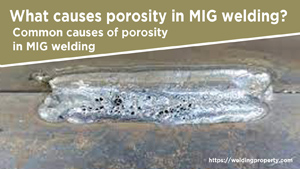
| Porosity | Poor gas coverage | Check gas flow and ensure a clean nozzle. |
| Burn-Through | Heat too high | Lower voltage or increase travel speed. |
| Uneven Beads | Inconsistent speed or angle | Practice on scrap metal. |
How to Practice MIG Welding Effectively
When I was starting, I made it a point to practice regularly. Here’s what worked for me:
Start with Scrap Metal
Experiment with different settings and techniques on scrap metal before moving to your actual project.
Create a Welding Journal
Keep track of your settings, materials, and observations. Over time, you’ll notice patterns and improve faster.
Focus on Consistency
Rather than rushing through a weld, focus on maintaining a steady hand, even travel speed, and consistent angles.
Advanced Tips for Beginners
Once you’ve mastered the basics, try these advanced tips to refine your skills:
- Experiment with Joint Types: Practice on butt, lap, and T-joints to gain versatility.
- Learn to Weld Out of Position: Practice vertical and overhead welds to expand your capabilities.
- Master Tack Welding: Use tack welds to hold pieces together before completing the full weld.
Conclusion
Learning MIG welding is an exciting journey. With the right equipment, preparation, and techniques, you’ll quickly gain confidence and see improvement in your welds. Remember, mistakes are part of the process. Don’t be afraid to experiment, adjust, and try again.
As someone who’s been through the beginner phase, I can say that practice and patience are your best allies. Start small, focus on consistency, and take pride in every weld you complete. You’ll not only master MIG welding but also enjoy the satisfaction of creating something with your own hands.
FAQs
What is the best gas mix for MIG welding?
A mix of 75% argon and 25% CO₂ is ideal for most beginners. It provides excellent weld quality with minimal spatter.
Why is my weld spattering so much?
Excessive spatter can be caused by incorrect voltage or wire speed settings. Adjust them and ensure proper gas coverage.
How can I prevent burn-through on thin metals?
Lower your voltage, increase travel speed, and use short bursts instead of continuous welding.
What is the ideal stick-out length for MIG welding?
The stick-out should be about ⅜ inch. Too much or too little can affect weld quality.
How do I know if my weld is strong?
A strong weld has good penetration, consistent bead appearance, and no visible defects like porosity or cracks.