If you’re wondering about the “best materials for MIG welding,” you’re in the right place. I’ve been MIG welding for years—tackling everything from car frames to custom furniture in my shop—and choosing the right material is key to getting strong, clean welds.
MIG welding, or Metal Inert Gas welding, is awesome because it’s fast, versatile, and beginner-friendly, but the material you weld makes all the difference. If you’re fixing a trailer or building a sculpture, picking the right metal sets you up for success.
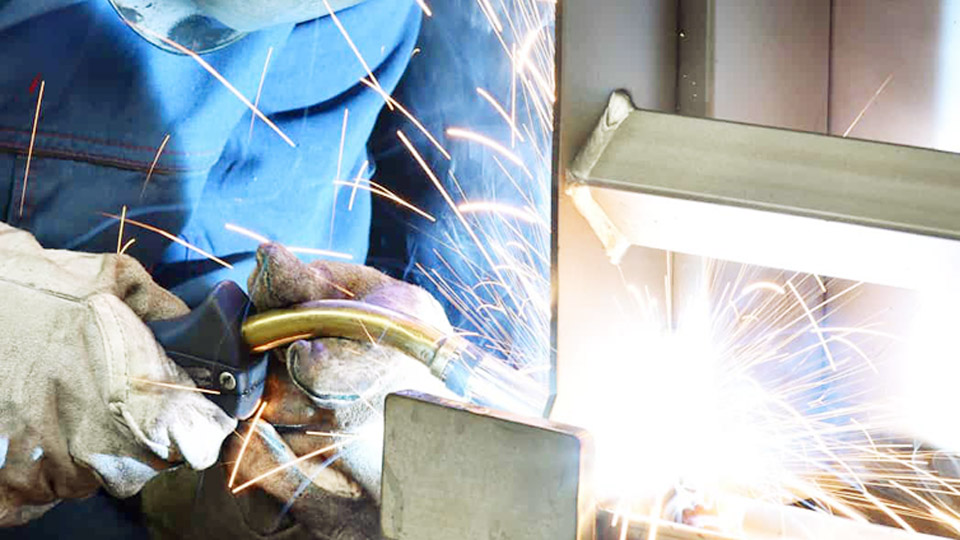
Photo by cksupply
I’ll share my top picks for MIG welding materials based on hands-on experience. I’ll break down each one, explain why it works, and give you tips to weld like a pro. I’m writing this like we’re chatting over a workbench, keeping it simple and engaging for welders across the USA, from hobbyists to pros. Let’s spark up and dive into the best materials for MIG welding!
What Is MIG Welding?
Before we get to the materials, let’s talk about MIG welding. It’s a process where you use a welding gun to feed a continuous wire electrode through a spool. An electric arc melts the wire and the base metal, creating a weld. A shielding gas, like argon or a CO2 mix, flows through the gun to protect the weld from air, keeping it clean and strong.
I love MIG welding because it’s fast and easy to learn. I started with it when I was fixing a rusty car fender, and the smooth beads made me feel like a pro. The material you choose affects how well the weld holds and how easy it is to work with.
Why Material Choice Matters for MIG Welding
Picking the right material is like choosing the right ingredients for a recipe. The metal’s properties—thickness, composition, and surface condition—impact how it welds.
Some metals take to MIG like a fish to water, while others need extra care. A bad choice can lead to weak welds, spatter, or burn-through, which I’ve learned the hard way.
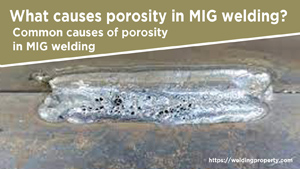
For example, I once tried MIG welding aluminum without cleaning it properly, and the welds were a mess—porous and weak. The right material, prepped correctly, gives you smooth, strong welds with minimal cleanup. It also saves time and frustration, whether you’re in a professional shop or your garage.
Top Materials for MIG Welding
I’ve welded a ton of metals with MIG, and these five stand out as the best for most projects. They’re easy to work with, widely available, and produce great results. I’ll explain each one, share my experiences, and give you tips to nail your welds.
1. Mild Steel
Mild steel is my go-to for MIG welding. It’s a low-carbon steel (0.05-0.25% carbon) that’s strong, affordable, and super weldable. I’ve used it for everything from car frames to BBQ grills because it’s so versatile. Mild steel comes in sheets, plates, tubes, or bars, and it’s easy to find at hardware stores or metal suppliers.
I welded a trailer frame with 1/4-inch mild steel plates, and the MIG process made it a breeze. Using ER70S-6 wire and a 75% argon/25% CO2 gas mix, I got smooth, clean beads with minimal spatter.
Mild steel welds well in all positions—flat, vertical, or overhead—and it’s forgiving for beginners. It’s also great for thick or thin sections, though thin steel (under 1/8 inch) needs lower settings to avoid burn-through.
One tip: clean the steel with a wire brush or grinder to remove rust or mill scale. I skipped this once, and my welds had tiny holes. Mild steel is perfect for structural work, automotive repairs, or DIY projects.
Why I Like It:
- Easy to weld with minimal spatter.
- Affordable and widely available.
- Strong and versatile for many projects.
- Works with standard MIG setups.
Best For: Car repairs, trailers, furniture, and structural frames.
2. Stainless Steel
Stainless steel is another favorite for MIG welding, especially when you need corrosion resistance. It’s an alloy with at least 10.5% chromium, which makes it rust-proof and shiny. I’ve welded stainless for exhaust systems, kitchen equipment, and marine fittings because it looks great and holds up in harsh environments.
I used 304 stainless steel to weld a custom exhaust for a friend’s truck. With ER308L wire and a tri-mix gas (helium, argon, CO2), the welds were smooth and shiny. Stainless is trickier than mild steel—it conducts heat poorly, so you need lower amps to avoid warping. I also keep the arc tight and move fast to prevent overheating.
Cleaning is critical. I wipe stainless with acetone to remove oils and use a stainless brush to avoid contamination. It’s pricier than mild steel, but the durability is worth it for outdoor or food-grade projects.
Why I Like It:
- Resists rust and corrosion.
- Produces clean, attractive welds.
- Great for food-safe or marine applications.
- Welds well with the right wire and gas.
Best For: Exhausts, kitchen equipment, marine fittings, and decorative work.
3. Aluminum
Aluminum is a fantastic MIG welding material, but it takes some finesse. It’s lightweight, corrosion-resistant, and used in everything from boats to bike frames. I welded an aluminum boat hull once, and it was a challenge but rewarding. Aluminum conducts heat fast, so it needs higher amps, and it’s prone to burn-through on thin sections.
For that boat, I used 5356 aluminum wire and pure argon gas. A spool gun helped feed the soft wire smoothly, which is a must for aluminum to avoid birdnesting (wire tangles). I cleaned the aluminum with a stainless brush and acetone to remove the oxide layer, which can cause porosity. Keeping a steady travel speed and a 15-degree push angle gave me clean, strong welds.
Aluminum isn’t beginner-friendly, but with practice, it’s a great material. It’s pricier and requires a dedicated setup, but the results are worth it for lightweight, rust-free projects.
Why I Like It:
- Lightweight and corrosion-resistant.
- Ideal for boats, bikes, and aerospace parts.
- Produces smooth welds with practice.
- Versatile for thin or thick sections.
Best For: Boats, bike frames, aerospace components, and lightweight structures.
4. Cast Iron
Cast iron is a bit of a wildcard for MIG welding, but it’s awesome for repairs. It’s a high-carbon iron alloy used in engine blocks, skillets, and machinery. I’ve welded cracked cast iron parts, like a tractor manifold, and MIG made it manageable. Cast iron is brittle and prone to cracking, so it needs special care.
For the manifold, I used ENiFe-CI nickel wire and a 75/25 argon/CO2 mix. Preheating the cast iron to 400°F prevented cracks, and I kept the amps low to avoid overheating. Short, intermittent welds with peening (hammering the weld while hot) reduced stress. Cleaning the oily surface with a grinder was a must—cast iron loves to soak up grease.
It’s not as common as steel or aluminum, but for repairing heavy equipment or antique parts, cast iron is a solid choice. It’s tricky, so practice on scrap first.
Why I Like It:
- Great for repairing heavy or antique parts.
- Nickel wire makes strong, machinable welds.
- Works in tough repair scenarios.
- Durable for high-stress components.
Best For: Engine blocks, machinery repairs, and cast iron restoration.
5. Copper Alloys (Bronze and Brass)
Copper alloys like bronze and brass are less common but excellent for MIG welding when you need conductivity or corrosion resistance. Bronze (copper and tin) and brass (copper and zinc) are used in sculptures, marine fittings, and electrical components. I welded a bronze propeller for a boat, and the results were stunning.
I used ERCuSi-A silicon bronze wire with pure argon gas. The low melting point of copper alloys (around 1,900°F) meant I needed low amps and a fast travel speed to avoid burn-through. Cleaning with a wire brush and degreaser removed oxidation, which can mess up the weld. The welds were smooth and golden, with great corrosion resistance for saltwater.
Copper alloys are pricey and need a steady hand, but they’re perfect for decorative or specialized jobs. They’re not structural like steel, but they shine in niche applications.
Why I Like It:
- Beautiful, corrosion-resistant welds.
- Great for decorative or marine projects.
- Conducts electricity for electrical parts.
- Unique for artistic or restoration work.
Best For: Sculptures, marine fittings, electrical components, and decorative items.
Best Materials for MIG Welding
Here’s a table to compare my top picks:
| Material | Best Uses | Wire Type | Shielding Gas | Notes |
|---|---|---|---|---|
| Mild Steel | Car repairs, trailers, furniture | ER70S-6 | 75% Argon/25% CO2 | Easy, affordable, versatile; clean surface well. |
| Stainless Steel | Exhausts, kitchen, marine fittings | ER308L | Tri-mix (He/Ar/CO2) | Rust-resistant; use low amps to avoid warping. |
| Aluminum | Boats, bikes, aerospace | 5356 or 4043 | Pure Argon | Needs spool gun, clean oxide layer; tricky. |
| Cast Iron | Engine blocks, machinery repairs | ENiFe-CI (Nickel) | 75% Argon/25% CO2 | Preheat, peen welds; brittle, needs care. |
| Copper Alloys | Sculptures, marine, electrical | ERCuSi-A (Bronze) | Pure Argon | Low heat, clean surface; pricey but beautiful. |
Why These Materials Are Great for MIG Welding
Each material on my list works well with MIG because of how it interacts with the process. Mild steel is forgiving and cheap, making it ideal for most jobs. Stainless steel and aluminum offer corrosion resistance for specialized applications, though they need more skill.
Cast iron saves old parts, and copper alloys add beauty or conductivity. MIG’s continuous wire feed and shielding gas make these materials easier to weld than with stick or TIG in many cases.
I’ve found MIG to be the best balance of speed and control for these metals. The gas shield keeps welds clean, and the adjustable settings let you dial in the perfect heat for each material.
Tips for MIG Welding These Materials
I’ve learned a few tricks to make MIG welding these materials easier. Here’s what works for me:
Clean Thoroughly: Use a wire brush, grinder, or acetone to remove rust, oil, or oxides. I always clean twice to be safe.
Match Wire and Gas: Use ER70S-6 for mild steel, ER308L for stainless, and so on. Check the table for gas recommendations.
Adjust Settings: Thin materials need lower amps (e.g., 80-120 for 1/8-inch steel). Thick ones need higher (150-200 amps). I test on scrap first.
Use a Spool Gun for Aluminum: It prevents wire jams. I borrowed one for my boat project, and it was a game-changer.
Preheat Cast Iron: Heat to 400°F to avoid cracks. I use a propane torch and check with a temp stick.
Keep a Push Angle: Angle the gun 10-15 degrees toward the weld direction for smoother beads. I learned this after some lumpy welds.
Practice is key. I started with mild steel scraps and worked up to aluminum and stainless. Each material teaches you something new.
Challenges of MIG Welding These Materials
No material is perfect, and I’ve hit some snags. Here’s what to watch for:
- Mild Steel: Rust or mill scale can cause porosity. Clean it well, or you’ll grind out bad welds like I did once.
- Stainless Steel: Warping is common if you overheat. I keep amps low and weld in short bursts.
- Aluminum: The oxide layer and high heat conductivity make it tricky. Clean it and use a spool gun, or you’ll get frustrated.
- Cast Iron: Cracking is a big risk. Preheat and peen, or you’ll end up with a bigger crack than you started with.
- Copper Alloys: Expensive and sensitive to heat. I burned through brass once by going too slow.
Patience and prep work solve most issues. I always set up my welder and test on scrap to avoid ruining a good piece.
Safety Tips for MIG Welding
Safety is non-negotiable in my shop. Here’s how I stay safe with MIG:
- Wear a Helmet: An auto-darkening helmet (shade 10-12) protects your eyes. I got arc flash once—never again.
- Use Gloves and Jacket: Leather gear blocks sparks. I’ve got burn marks from skipping this early on.
- Ventilate: MIG fumes, especially from stainless or cast iron, are nasty. I weld outside or use a fume extractor.
- Check Gas Lines: Leaks waste gas and weaken welds. I inspect my regulator before every job.
- Avoid Flammables: Keep rags, paint, or grease away from sparks. I learned this after a small fire scare.
I’ve seen welders get hurt by rushing, so take your time and gear up. It’s worth it to finish the day in one piece.
Why MIG Welding Shines with These Materials
MIG welding is perfect for these materials because it’s fast, clean, and adaptable. The continuous wire feed lets you lay long, smooth beads, and the shielding gas keeps welds free of defects.
I’ve tried stick and TIG, but MIG’s speed and ease make it my top choice for mild steel, stainless, and aluminum. It’s also forgiving for beginners, which is why I recommend it to new welders.
Each material brings something unique—mild steel’s affordability, stainless’s durability, aluminum’s lightness, cast iron’s repairability, and copper’s beauty. MIG brings out the best in all of them with the right setup.
Conclusion
So, what are the best materials for MIG welding? My top picks—mild steel, stainless steel, aluminum, cast iron, and copper alloys—cover everything from everyday repairs to specialized projects. I’ve used them all in my shop, from welding a car frame with mild steel to crafting a bronze sculpture.
Each material has its strengths, and MIG’s speed, clean welds, and versatility make it the perfect process to bring them to life.
If you’re a DIYer in Florida or a pro in California, these materials will help you create strong, beautiful welds. Grab your MIG welder, pick a material, and start practicing. You’ll be amazed at what you can build. If you hit a snag, just picture me saying, “Clean it, test it, and weld it!” Happy welding!
FAQs
What’s the easiest material for MIG welding beginners?
Mild steel is the easiest. It’s forgiving, cheap, and welds smoothly with ER70S-6 wire and a 75/25 gas mix. Start with 1/8-inch thick steel to avoid burn-through.
Can I MIG weld aluminum without a spool gun?
It’s tough. Aluminum wire is soft and can tangle in a standard gun. A spool gun feeds it smoothly, making welds cleaner. I wouldn’t weld aluminum without one.
Why do my stainless steel welds look black?
Black welds mean too much heat or a dirty surface. Lower your amps, clean with acetone and a stainless brush, and use a tri-mix gas for cleaner results.
Is MIG welding cast iron worth it?
Yes, for repairs. Use nickel wire (ENiFe-CI), preheat to 400°F, and peen the welds. It’s tricky but saves cracked engine blocks or machinery parts.
Can I use the same gas for all these materials?
No. Mild steel and cast iron work with 75/25 argon/CO2. Stainless needs tri-mix (helium/argon/CO2). Aluminum and copper alloys need pure argon. Check your wire’s requirements.
How do I avoid burn-through on thin materials?
Lower your amps (e.g., 80-100 for 1/16-inch steel), use smaller wire (0.023-inch, and weld in short bursts. I tack thin sheets first to keep them stable.
Are copper alloys practical for everyday welding?
Not really—they’re pricey and niche. Use them for decorative, marine, or electrical projects where corrosion resistance or conductivity matters. Stick to steel for most jobs.