When I first got into TIG welding, I remember standing in front of a rack of tungsten electrodes feeling a bit overwhelmed. Each color-coded tip had a different purpose, and I just wanted a clean, strong weld on stainless steel. If you’re asking yourself what tungsten to use for TIG welding stainless steel, you’re not alone. It’s a common question with a clear answer—once you know the ins and outs.
Let me walk you through what I’ve learned over the years. I’ll break down the types of tungsten that work best, when and why to use each, and how to get the most out of your welding sessions. If you’re just starting out or trying to perfect your stainless steel welds, this guide is for you.
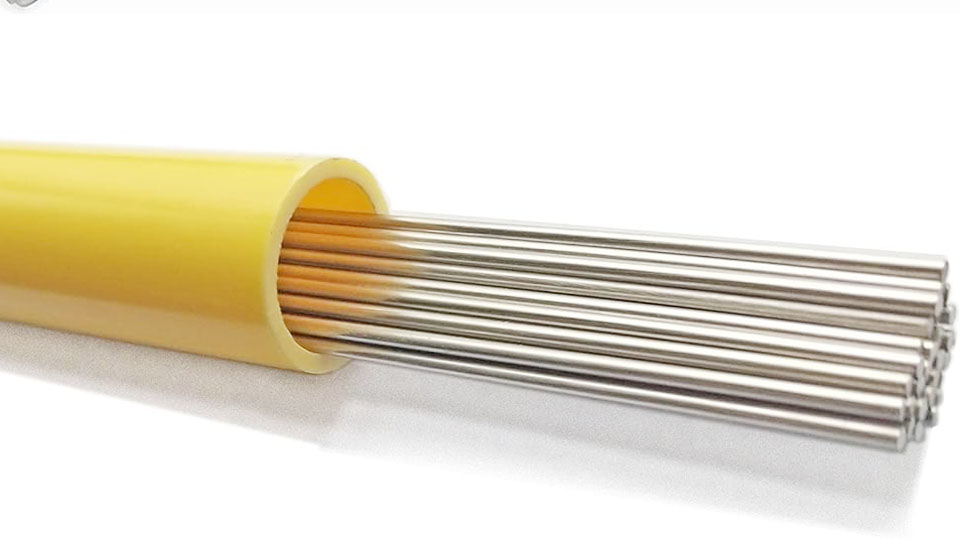
Photos by ubuy
Why Choosing the Right Tungsten Matters
When TIG welding stainless steel, your tungsten choice makes a real difference. Stainless steel needs precision, control, and cleanliness. The wrong tungsten can cause arc instability, contamination, and even poor weld quality. You want your welds to be smooth, strong, and good-looking—and using the right tungsten helps you get there.
Stainless steel also has a lower thermal conductivity compared to other metals. That means it holds heat longer, and your tungsten needs to handle that kind of heat without breaking down or balling up at the tip.
Best Tungsten Types for Stainless Steel
For stainless steel TIG welding, there are three types of tungsten electrodes that perform exceptionally well. Here’s a breakdown:
| Tungsten Type | AWS Classification | Color Code | Main Components | Best For |
|---|---|---|---|---|
| 2% Thoriated | EWTh-2 | Red | 2% Thorium | DC Welding (Stainless Steel, Carbon Steel) |
| 2% Ceriated | EWCe-2 | Grey | 2% Cerium | Low Amperage, Thin Stainless Steel |
| 2% Lanthanated | EWLa-2 | Blue | 2% Lanthanum | Great for Both AC/DC, Long Tip Life |
Each of these electrodes has its place depending on what you’re welding, how thick the material is, and your machine settings.
Thoriated Tungsten (2% Red Tip)
If I had to pick a go-to for stainless steel, it would be 2% thoriated tungsten. It’s known for excellent arc starting and stability. I use it most often when I’m running DC current, which is typical for stainless. The arc stays sharp and focused, and that’s key when you want a tight, clean weld.
The downside? Thorium is slightly radioactive. Don’t let that scare you off—it’s safe with proper handling. But I always wear a mask when grinding it, just to avoid breathing in the dust.
What makes it great:
- Easy arc starts
- Good for high amps
- Durable tip under heat
- Best for DC welding
Use it when:
- You’re welding thicker stainless steel
- You need consistent arc control
- You want a proven, classic tungsten for DC TIG welding
Ceriated Tungsten (2% Grey Tip)
If you’re working with thin stainless steel—like in sheet metal or tubing—2% ceriated tungsten is a fantastic option. It performs well at low amps, and it gives you a smooth, steady arc.
I like using ceriated when precision really matters. It holds a fine tip and allows me to weld delicate sections without overheating them. It’s not as common as thoriated in industrial settings, but for smaller jobs or detailed work, it’s gold.
What makes it great:
- Excellent at low amperage
- Great arc control
- Easy to start
- Less tip wear at lower settings
Use it when:
- You’re welding thin stainless pieces
- You’re working on food-grade or cosmetic welds
- You need a soft arc that won’t blow through the metal
Lanthanated Tungsten (2% Blue Tip)
Lanthanated tungsten is like the all-around athlete of the group. It works well with both AC and DC current, which is handy if you do different types of TIG welding. For stainless steel, it handles higher amperage without losing its shape. I love that it lasts longer than thoriated and keeps a sharp tip.
It’s my go-to when I need versatility. If I’m swapping between aluminum and stainless, I don’t need to switch tungsten every time. That saves me time and effort.
What makes it great:
- Long life
- Good for AC/DC
- Smooth arc starts
- Holds shape under heat
Use it when:
- You want one tungsten for multiple tasks
- You’re welding both thick and thin stainless
- You want durability and stability
What Size Tungsten Should You Use for Stainless Steel?
Tungsten size matters, too. If your tungsten is too thin, it’ll overheat. Too thick, and your arc might be hard to control.
Here’s a general rule of thumb I use:
| Tungsten Diameter | Ideal Amperage Range |
|---|---|
| 1/16” (1.6mm) | 50–100 amps |
| 3/32” (2.4mm) | 80–150 amps |
| 1/8” (3.2mm) | 125–200 amps |
For most stainless steel jobs, 3/32” works great. It’s thick enough to handle decent amps without being too bulky. I keep a few of each size on hand depending on the project.
Grinding Your Tungsten for TIG Stainless
No matter what tungsten you choose, grind it correctly. For stainless steel, always grind it to a point. A sharp tip gives you a narrow arc, which helps you keep the heat exactly where you need it. This is especially important for cosmetic or structural welds.
Make sure you grind it lengthwise, not across the tip. That keeps the electrons flowing smoothly and gives a more stable arc. And always use a dedicated grinding wheel—never the same one you use on carbon steel or other metals. You don’t want contamination.
DCEN Polarity: The Right Setting for Stainless
When TIG welding stainless, always use DCEN—Direct Current Electrode Negative. This means the tungsten is the negative electrode and the workpiece is positive. This setup allows for better penetration and a cleaner weld. AC is used mostly for aluminum. So if you’re wondering why things aren’t working, double-check that your machine is on DCEN.
Should You Use Pure Tungsten?
I get asked this a lot: “Can I use pure tungsten on stainless?” Technically, you can, but I wouldn’t recommend it. Pure tungsten is better for AC welding on aluminum. On stainless, it balls up and gives you a wide, unstable arc. That leads to messy welds and more frustration than it’s worth.
Stick with the ones I mentioned earlier—thoriated, ceriated, or lanthanated. They’re all better suited for DC work and give you better results on stainless.
Tips for Better TIG Welding on Stainless Steel
Here are a few tips I’ve learned the hard way:
- Keep your tungsten clean. Contaminated tungsten leads to erratic arcs and dirty welds.
- Sharpen often. Don’t wait until the tip is dull. A fresh point keeps your arc controlled.
- Use the right gas. 100% argon works best for stainless TIG. No need to complicate it.
- Control your heat. Stainless warps and overheats fast. Use a foot pedal if you can.
- Practice filler rod control. Dabbing in just enough at the right pace makes all the difference.
Troubleshooting Arc Issues with Tungsten
If your arc is wandering, sputtering, or hard to start, here are some things to check:
- Tip might be contaminated
- Wrong tungsten type or size
- Poor grind shape or technique
- Argon flow not steady or too high
- Dirty base material
Fixing one of these usually brings things right back in line.
Conclusion
So, what tungsten should you use for TIG welding stainless steel? After years of experience, I’d say go with 2% thoriated if you want reliability and performance on thicker stainless. Choose 2% ceriated for thin metal and delicate work. And if you want a long-lasting, all-purpose option, 2% lanthanated is a solid bet.
Always pair your tungsten with the right size, grind it correctly, and keep it clean. Once you do that, your TIG welds on stainless steel will look cleaner, hold stronger, and give you less trouble overall.
I hope this guide helps you feel more confident next time you’re setting up your TIG machine. Stainless steel can be tricky, but with the right tungsten, it becomes a lot more manageable. Just like any craft, welding is about practice and knowing your tools—and now you know which tungsten will back you up.
FAQs
What color tungsten is best for TIG welding stainless steel?
Red (2% thoriated) is one of the best and most commonly used colors for welding stainless steel with DC current.
Can I use blue tungsten for stainless steel?
Yes, 2% lanthanated (blue) tungsten is excellent for stainless steel and offers good arc stability and tip life.
Is ceriated tungsten good for stainless steel?
Absolutely. 2% ceriated (grey) tungsten is especially good for welding thin stainless steel at low amperages.
Should I ball the tip of tungsten for stainless steel?
No. Always grind your tungsten to a sharp point when welding stainless steel. A balled tip is meant for aluminum and AC welding.
What tungsten size should I use for stainless steel?
Most welders use 3/32” (2.4mm) for general stainless steel welding, but 1/16” or 1/8” may be better depending on your amperage.
Is thoriated tungsten dangerous?
It contains low-level radioactive material, but it’s safe to use if you handle it properly—especially when grinding.
Do I need to use 100% argon for TIG stainless steel?
Yes, 100% argon provides the cleanest arc and best shielding for stainless TIG welding. Avoid mixed gases.
Can I use the same tungsten for aluminum and stainless?
Lanthanated tungsten can work for both, but you’ll need to change your grind shape for each metal.