A MIG welder is usually the first machine people grab because it’s versatile, forgiving, and fast—but I learned early on that it can do a lot more than just glue two pieces of steel together. From quick garage repairs to full fabrication jobs, What Can You Use a MIG Welder For? is a question that comes up once you start pushing past basic flat welds.
I’ve used MIG welders on everything from thin auto body panels to thicker brackets and frames where strength actually matters. The real value of MIG welding is how adaptable it is—you can run clean beads on mild steel, tackle stainless with the right wire, and knock out projects without constantly switching processes. Used correctly, it saves time, wire, and frustration.
If you’re wondering how far a MIG welder can really take you—and where its limits start to show—I’ll break it down with real examples and practical advice you can use right away.
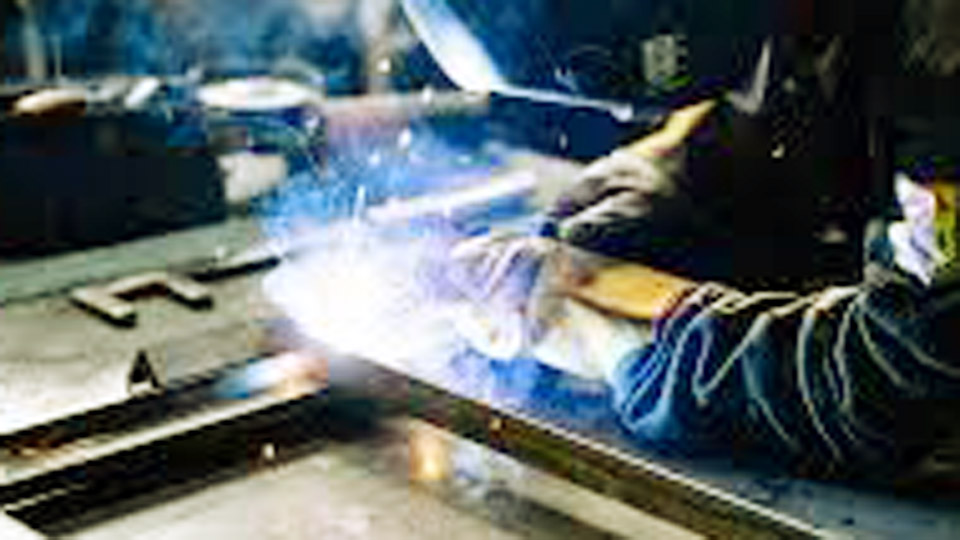
Image from arcweldingservices
Fixing Automotive Parts and Frames
When I first got into welding, automotive repairs were my bread and butter. A MIG welder is perfect for this because it handles thin sheet metal without blowing through, which is a common headache with stick welding. Think about exhaust systems, body panels, or even suspension components—MIG lets you lay down smooth beads that resist vibration and corrosion.
How does it work? MIG, or Metal Inert Gas welding, feeds a continuous wire electrode through a gun, melting it into the joint while shielding gas protects the weld pool from contaminants. For auto work, I usually run with 0.023-inch or 0.030-inch wire for lighter gauges, bumping up to 0.035-inch for thicker frames.
You’ll want to use it when dealing with mild steel or aluminum in vehicles, especially in tight spots where control is key. Why? It minimizes distortion on thin panels, which means less warping and fewer paint touch-ups later.
In the shop, start by prepping the joint: grind off rust or paint for a clean surface, then set your machine to 90-120 amps for 18-gauge steel, with wire speed around 200-250 inches per minute. Use a 75/25 argon/CO2 mix for shielding—pure argon if you’re on aluminum.
A tip from my early mistakes: don’t rush the trigger pull; short bursts prevent overheating and burn-through. I once patched a fender too hot and ended up with a hole—had to grind it out and start over. Clamp everything securely to avoid gaps, and always wear your auto-darkening helmet to protect against UV flash.
Building Custom Metal Furniture and Decor
Shifting gears to something more creative, I’ve used my MIG welder to whip up everything from coffee tables to garden gates. It’s ideal for hobbyists because the process is straightforward—no swapping rods like in stick welding—and you get those professional-looking welds that impress friends.
The mechanics are simple: the wire acts as both electrode and filler, fed automatically, so you focus on guiding the gun. For furniture, opt for ER70S-6 wire in 0.030-inch diameter—it’s versatile for carbon steel and gives good penetration without spatter.
Use it for projects involving square tubing or angle iron, like shelves or benches, when you want quick assembly without heavy distortion. It beats TIG for speed on non-critical aesthetics.
Practical advice: Joint prep is crucial—bevel edges on thicker stock for better fusion. Set amps to 100-150 for 1/8-inch material, wire speed 250-300 IPM. I learned the hard way on a custom railing: too low voltage led to lack of fusion, and it wobbled.
Fix it by grinding the bead and rewelding hotter. For outdoor pieces, add a rust-inhibiting primer post-weld. And safety-wise, ensure good ventilation—those fumes can build up fast in a garage.
Repairing Farm Equipment and Machinery
Out in rural shops, MIG welders are lifesavers for fixing tractors, plows, or even augers. I’ve patched more broken hitches than I can count, and MIG’s speed keeps downtime minimal, which is gold for farmers.
It works by creating a stable arc that’s easy to maintain on uneven surfaces, with gas shielding preventing oxidation on outdoor repairs.
Go for MIG when materials are mild steel or low-alloy, and you need portability—many units plug into 110V outlets for field work.
Why choose it? It handles thicker plates better than flux-core without slag cleanup, reducing labor.
Shop tips: For a 1/4-inch plate repair, dial in 140-180 amps, 0.035-inch wire at 300-350 IPM. Clean the area with a wire brush—rust is your enemy.
A common pro mistake: ignoring polarity. Use DC electrode positive for deeper penetration. I once fixed a loader bucket with reverse polarity and got shallow welds that cracked—switched it and problem solved. Always test on scrap first, and wear leather gloves to avoid spatter burns.
Handling Thick vs. Thin Materials in Repairs
Diving deeper, material thickness dictates your approach. For thin stuff like sheet metal on equipment panels, keep amps low to avoid warping.
On thick sections, like frames, crank it up for full penetration.
Tips: Use push technique for thin, pull for thick to control the puddle. Mistake alert: Overlapping beads unevenly causes stress points—aim for consistent travel speed.
Fabricating Trailers and Utility Vehicles
I’ve built a few trailers from scratch, and MIG is my go-to for its efficiency on long seams. It’s great for welding frames, axles, and beds where strength meets speed.
The process excels here because the continuous feed allows uninterrupted runs, minimizing starts and stops that weaken joints.
Use it for structural steel in trailers—think channels and I-beams—when you need weather-resistant welds.
Why? It’s cost-effective; less gas waste than other methods, and faster than stick for production.
In practice: Prep by mitering corners for tight fits. Settings: 160-200 amps for 3/16-inch stock, 0.035-inch wire at 350 IPM.
On my first trailer, poor grounding led to erratic arcs—always clamp directly to the workpiece. Fix bad welds by chiseling out porosity and rewelding. Safety: Secure the frame to prevent tipping during welding.
Choosing the Right Wire and Gas for Structural Work
Wire selection: ER70S-3 for cleaner steels, ER70S-6 for dirtier ones.
Gas: 75/25 for general, 90/10 for spray transfer on thicker stuff.
Pros: Versatile, low spatter. Cons: Needs gas bottle, not ideal outdoors in wind.
Welding Stainless Steel Exhausts and Pipes
Stainless is tricky, but MIG handles it well for exhausts or food-grade pipes I’ve worked on in custom shops.
It uses tri-mix gas (argon/CO2/helium) for better arc stability on austenitic grades.
When? For corrosion-resistant applications like marine or kitchen fab.
Why? Pulsed MIG modes reduce heat input, preventing carbide precipitation.
Tips: 0.030-inch 308L wire, 100-140 amps. Clean with acetone—fingerprints cause contamination.
Mistake: Too high heat warps thin pipes—use pulse if available. I rewelded a manifold once after ignoring that.
Creating Art and Sculptures
For fun, I’ve MIG-welded metal art pieces, like abstract sculptures from scrap.
It’s forgiving for irregular shapes, with easy filler addition.
Use on mixed metals when aesthetics trump strength.
Why? Quick tacks hold pieces for positioning.
Settings: Lower amps, 80-110, for delicate work. Tip: Practice on junk to avoid melting fine details.
Incorporating Mixed Materials in Artistic Projects
Mix steel and aluminum? Use compatible wires, but test fusion.
Pros: Creative freedom. Cons: Potential galvanic corrosion—coat welds.
Maintaining and Repairing HVAC Ducts
In commercial work, MIG fixes ductwork efficiently, especially galvanized steel.
Gas shields prevent zinc burn-off issues.
For seams or patches where airtightness matters.
Tips: 0.023-inch wire, 80-100 amps. Grind galvanizing first to avoid fumes—respirator mandatory.
Mistake: Skipping prep leads to porous welds—grind and refill.
Assembling Bicycle Frames and Racks
Hobbyists love MIG for bike repairs—lightweight and precise.
For chromoly or aluminum frames.
Why? Minimal heat distortion preserves geometry.
Settings: 90-120 amps, fine wire. Clamp jigs for alignment.
Anecdote: Fixed a cracked frame; wrong angle caused misalignment—measure twice.
Selecting Amperage for Precision Joints
Low for tacks, medium for fills. Pros: Speed. Cons: Overkill for ultra-thin.
Welding Aluminum Boat Hulls and Accessories
Aluminum welding is MIG’s strong suit with pure argon and push technique.
For hull patches or rails on boats.
Why? No flux needed, clean welds.
Tips: 0.035-inch 5356 wire, 120-160 amps. Clean oxide layer with stainless brush.
Common error: Dirty wire causes feeding issues—keep spool clean.
I patched a hull leak; ignored cleaning, got black soot—stripped and redid.
Constructing Greenhouses and Garden Structures
For outdoor frames, MIG joins tubing quickly.
On galvanized or mild steel.
Why? Weatherproof beads with minimal prep.
Settings: 110-150 amps. Tip: Use anti-spatter spray.
Pros: Durable. Cons: Gas wind sensitivity—use flux-core alternative if breezy.
Dealing with Outdoor Welding Challenges
Shield gun from wind. Ground properly on painted surfaces.
Repairing Lawn Mowers and Small Engines
Quick fixes on mower decks or frames.
For thin steel, low amps prevent holes.
Why? Portable machines fit garage work.
Tips: 0.023 wire, 70-90 amps. Safety: Disconnect battery first.
Mistake: Welding near fuel—boom risk. Drain tanks.
Fabricating Custom Tool Racks and Storage
Shop organization: Weld racks from angle iron.
Efficient for long welds.
Why? Custom fits save space.
Settings: 130 amps. Anecdote: Uneven legs from rushed cuts—level first.
Welding Pipes for Plumbing Projects
Not ideal for pressure lines, but fine for non-critical drains.
On black iron or stainless.
Why? Smooth internal beads.
Tips: Root pass careful to avoid blockages.
Pros: Fast. Cons: Needs back-purging for stainless.
Pipe Joint Preparation Tips
Bevel ends 30 degrees. Use clamps for alignment.
Building Off-Road Vehicle Bumpers
Heavy-duty fab: MIG on plate steel.
For bumpers or roll cages.
Why? Strong, multi-pass capable.
Settings: 180-220 amps, 0.045 wire for thick.
Tip: Weave for wider beads. Fix undercuts by adding filler.
I built a bumper; low amps caused cracks—upped it.
Restoring Vintage Cars and Motorcycles
MIG for bodywork on classics.
Matches original gauges.
Why? Controls heat to preserve panels.
Tips: Stitch weld to minimize warp. Use copper backers.
Mistake: Continuous run on thin metal—warped door. Cooled with wet rags between passes.
Creating Signage and Brackets
Quick brackets for signs.
On sheet or tube.
Why? Clean appearance.
Settings: 100 amps. Pros: Versatile.
Welding in Construction for Railings and Stairs
Site work: Handrails from pipe.
Portable MIG units.
Why? Code-compliant strength.
Tips: 140 amps. Grind smooth for safety.
Anecdote: Slag inclusion from dirty wire—cleaned and rewelded.
Ensuring Code Compliance in Welds
Visual inspect for cracks. Use dye penetrant if needed.
Repairing Appliances and Household Items
Fix fridge shelves or washer frames.
For light gauge.
Why? Inexpensive home repairs.
Tips: 80 amps. Safety: Unplug first.
Fabricating Robotic Arms or Prototypes
In maker spaces, MIG for prototypes.
On steel frames.
Why? Rapid iteration.
Settings: Variable. Tip: Modular designs.
Pros: Strong joints. Cons: Not precision like TIG.
Welding Exhaust Headers for Performance Cars
Custom headers: Stainless tubing.
Pulsed MIG for heat control.
Why? Improves flow.
Tips: 110-140 amps. Back-purge to prevent sugaring.
Error: No purge—oxidized inside. Scrapped and restarted.
Wrapping Up
Now, it’s clear a MIG welder isn’t just a tool—it’s a problem-solver that adapts to your skill level and project needs. You’ve got the insights now to pick the right settings, avoid common pitfalls like poor prep or mismatched wire, and tackle jobs with confidence.
Whether you’re a weekend warrior or full-time fabricator, this knowledge cuts down on trial-and-error, saving you materials and frustration. Always monitor your duty cycle—overheating your machine mid-project is a surefire way to turn a quick fix into a long day.
FAQs
Can I Use a MIG Welder on Thick Steel Plates?
Absolutely, but crank amps to 180+ and use thicker wire like 0.045-inch. Prep with bevels for penetration, and multi-pass if needed. Watch for distortion—tack first.
What’s the Best Shielding Gas for Aluminum MIG Welding?
Pure argon for stability. Avoid CO2 mixes—they cause spatter. Flow rate 20-30 CFH, and keep the gun close for coverage.
How Do I Fix Porosity in My MIG Welds?
Usually from contamination—clean metal thoroughly, check gas flow, and ensure no drafts. Grind out the bad section and reweld with fresh wire.
Is MIG Welding Safe for Beginners at Home?
Yes, with precautions: Full PPE including helmet, gloves, and respirator. Good ventilation to handle fumes, and start on scrap to build technique.
What Wire Diameter Should I Choose for Auto Body Work?
Go with 0.023-inch for thin panels to prevent burn-through. Pair with lower amps, around 90-110, and short circuit transfer mode.