Hey there! If you’re wondering, “What is the tensile strength of MIG welding?” you’re asking a question that gets to the heart of what makes a weld strong and reliable. I’ve been welding for years, from fixing farm equipment to building custom trailers, and I’ve learned that understanding tensile strength is key to creating welds that hold up under pressure.
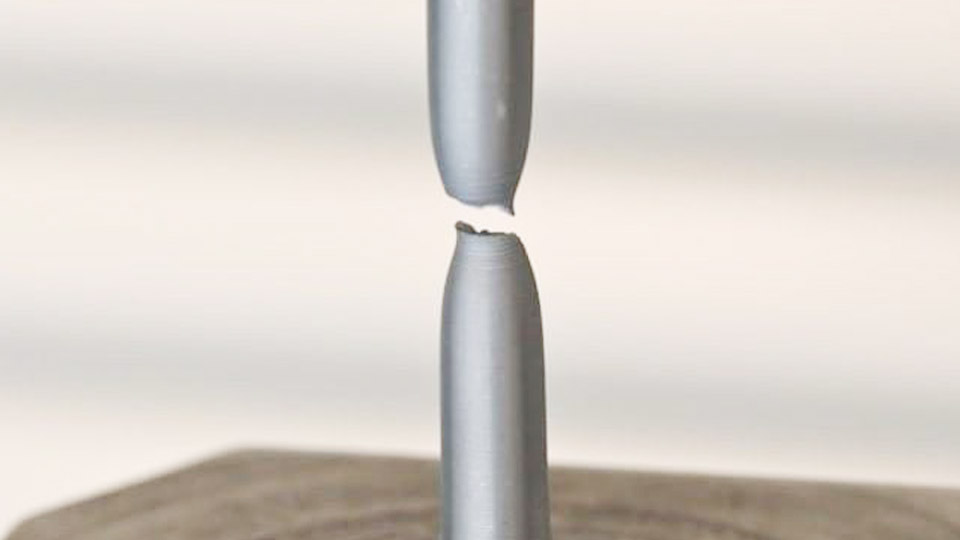
Photo by sinostoneltd
I’ll explain what tensile strength means, how it applies to MIG welding, and what factors affect it. If you’re a DIY welder, a hobbyist, or a pro, I’ll break it down in simple terms with real-world insights to help you make strong welds for your projects.
What Is Tensile Strength, Anyway?
Tensile strength is a measure of how much force a material can withstand before it breaks. It’s like testing how strong a rope is by pulling it until it snaps. In welding, tensile strength tells us how much pulling force a weld can handle before it fails. We measure it in pounds per square inch (psi) in the USA.
For example, if a weld has a tensile strength of 70,000 psi, it can resist 70,000 pounds of force per square inch of weld area before breaking. I’ve used this concept when welding everything from gates to structural beams—it’s critical for knowing your weld will hold up. In MIG welding, tensile strength depends on the metal, the filler wire, and how well the weld is done.
What Is MIG Welding?
MIG, or Metal Inert Gas welding, is one of my favorite methods because it’s fast, versatile, and works on metals like steel, aluminum, and stainless steel. In MIG welding, a machine feeds a wire electrode through a gun. The wire melts to join two pieces of metal, and a shielding gas (like argon or CO2) protects the weld from air, which can cause defects.
The strength of a MIG weld comes from how well the wire fuses with the base metal. A good MIG weld can match or even exceed the tensile strength of the metal you’re welding, but a bad one might snap under light stress. Let’s explore what makes a MIG weld strong.
Factors That Affect the Tensile Strength of MIG Welds
The tensile strength of a MIG weld isn’t a fixed number—it varies based on several things. I’ve seen welds hold up under massive loads and others fail because of small mistakes. Here’s what matters:
Base Metal
The metal you’re welding sets the foundation. Mild steel, which I use a lot, has a tensile strength of 50,000-70,000 psi. Aluminum is weaker, around 30,000-40,000 psi. Stainless steel can range from 70,000-100,000 psi. The weld’s tensile strength can’t be higher than the base metal’s, so stronger metals mean stronger welds.
Filler Wire
The filler wire you choose is huge. It needs to match or exceed the base metal’s strength. For mild steel, I use ER70S-6 wire, which has a tensile strength of about 70,000 psi. For aluminum, ER4043 or ER5356 wires are common, with strengths around 30,000-40,000 psi. Using a weaker wire than the metal lowers the weld’s strength.
Weld Quality
A clean, deep weld is key. When I get the voltage, wire speed, and technique just right, the weld fuses perfectly with the metal, matching its strength. If the weld has porosity (tiny holes), cracks, or incomplete fusion, the tensile strength drops—sometimes by 20-50%. Cleaning the metal and using proper settings helps avoid this.
Joint Design
How you join the metal affects strength. Common joints include:
- Butt Joint: Two pieces end-to-end. With full penetration, it’s as strong as the metal.
- Lap Joint: One piece overlaps another. Good for shear strength but less for tensile.
- T-Joint: Forms a T shape. Strong with a proper fillet weld.
- Corner Joint: Meets at a right angle. Decent but needs careful welding.
A butt joint with full penetration is the strongest for tensile loads, while fillet welds on T-joints are better for shear (sideways) forces.
Weld Size and Length
Bigger welds are stronger. A 1/4-inch fillet weld has more tensile strength than a 1/8-inch one because it has more material. Longer welds also spread the load better. For example, a 6-inch weld holds more than a 1-inch weld, assuming it’s done well.
Welding Technique
Skill makes a difference. I’ve learned that moving steadily, keeping the gun at a 10-15 degree angle, and controlling heat ensures a strong weld. Rushing or overheating can cause weak spots, like burn-through or cracks, which lower tensile strength.
Shielding Gas
The gas you use affects the weld. For steel, I often use a 75% argon/25% CO2 mix for a stable arc and good penetration. Pure CO2 is hotter and can cause spatter, which might weaken the weld slightly. For aluminum, 100% argon is best. Poor gas coverage leads to porosity, cutting tensile strength.
Here’s a table to sum up how these factors impact tensile strength:
| Factor | High Tensile Strength | Low Tensile Strength |
|---|---|---|
| Base Metal | Strong (e.g., steel, 70,000 psi) | Weak (e.g., aluminum, 30,000 psi) |
| Filler Wire | Matches/exceeds metal (e.g., ER70S-6) | Weaker than metal |
| Weld Quality | Clean, full penetration | Porous, cracked, incomplete fusion |
| Joint Design | Butt with full penetration | Poorly designed or single-sided |
| Shielding Gas | Argon/CO2 mix, good coverage | Pure CO2, poor coverage |
Typical Tensile Strength of MIG Welds
So, what’s the tensile strength of a MIG weld? It depends on the setup, but I can give you some real-world numbers based on my experience.
For mild steel with ER70S-6 wire and a good weld:
- A butt joint with full penetration matches the metal’s strength, around 50,000-70,000 psi. This means a 1/4-inch-thick weld could theoretically hold 12,500-17,500 pounds per square inch.
- A 1/4-inch fillet weld on a T- or lap joint has a shear strength (related to tensile) of about 4,800-6,000 pounds per inch of weld length. A 6-inch fillet weld could hold 28,800-36,000 pounds.
For aluminum with ER4043 wire:
- A butt joint might hit 30,000-40,000 psi, or 7,500-10,000 pounds per square inch for a 1/4-inch weld.
- A 1/4-inch fillet weld holds about 2,000-3,000 pounds per inch in shear. A 6-inch weld could manage 12,000-18,000 pounds.
For stainless steel with ER308L wire:
- A butt joint can reach 70,000-100,000 psi, depending on the alloy.
- A 1/4-inch fillet weld might hold 5,000-7,000 pounds per inch in shear.
These numbers assume static loads (steady weight) and perfect conditions. Dynamic loads (like a moving vehicle) or cyclic loads (repeated stress) reduce strength, so you’d need bigger welds or a safety factor (2-4 times the expected load).
How Weld Imperfections Lower Tensile Strength
Even pros like me don’t make perfect welds every time. Imperfections can seriously cut tensile strength. Here’s what I watch for:
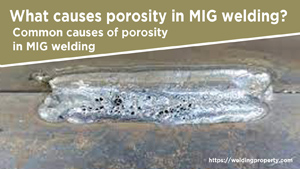
Porosity: Gas pockets from dirty metal or bad gas coverage weaken the weld by 10-30%. I clean the metal with a wire brush and acetone to avoid this.
Cracks: Small cracks from fast cooling or wrong settings can spread, causing failure. I let welds cool slowly and use the right wire.
Incomplete Penetration: If the weld doesn’t fuse deep enough, it’s weak. A butt joint with half penetration might only hold 50% of its potential.
Undercut: Grooves along the weld reduce the metal’s thickness, lowering strength. I adjust my technique to avoid digging into the base metal.
Slag or Spatter: Leftover material can create weak spots. I brush or grind welds clean after finishing.
For critical jobs, I check welds with a magnifying glass or dye penetrant to catch flaws. If it’s a big project, like a bridge, I might hire a pro for X-ray testing.
Designing Welds for High Tensile Strength
When I need a weld to handle serious force—like for a trailer or crane—I follow these steps to maximize tensile strength:
Choose Strong Metal: Use high-strength steel (like A36 or 4140) for heavy loads. Thicker metal, like 1/4 inch or more, boosts strength.
Pick the Right Wire: Match the wire to the metal’s strength. ER70S-6 for steel, ER4043 for aluminum, or ER308L for stainless.
Use Butt Joints: For max tensile strength, I go with butt joints and ensure full penetration. Bevel the edges for thick metal to help the weld fuse deeper.
Size Up Welds: Bigger fillet welds (like 3/8 inch) or longer welds hold more. I weld both sides of a joint for extra strength.
Reinforce Joints: Adding gussets or braces reduces stress on the weld. I used this trick on a heavy equipment repair, and it held up great.
Control Heat: Too much heat weakens the metal. I use short beads and let the metal cool between passes to avoid brittleness.
For example, I welded a trailer frame to handle 5,000 pounds. I used 1/4-inch A36 steel, ER70S-6 wire, and 3/8-inch fillet welds on both sides of T-joints. It’s been hauling loads for years without a crack.
Static vs Dynamic Loads
The type of load affects how much tensile strength you need. I’ve learned this from working on both stationary and moving projects:
Static Loads: Steady weight, like a workbench. A MIG weld can handle close to its full tensile strength. A 1/4-inch steel butt weld might hold 15,000 pounds per square inch.
Dynamic Loads: Movement, like a trailer on a bumpy road. These stress welds more, so I design them 2-3 times stronger than the expected load.
Cyclic Loads: Repeated stress, like a vibrating machine part. These cause fatigue, so I use bigger welds and inspect them often.
For dynamic or cyclic loads, I follow welding codes (like AWS D1.1) or consult an engineer to size welds safely.
Applications and Their Strength Needs
Different projects need different tensile strengths. Here’s what I’ve seen:
- Automotive: Welds on car frames or trailer hitches need to handle 2,000-10,000 pounds. I use 1/4-inch fillet welds on steel for these.
- Home Projects: Gates or furniture might hold 100-1,000 pounds. A 1/8-inch fillet weld on 1/8-inch steel is plenty.
- Industrial: Structural beams or machinery can support 10,000-100,000 pounds. These need thick metal and big, pro-made welds.
- DIY Builds: A workbench or grill might hold 500-2,000 pounds. Simple 3/16-inch welds on 1/4-inch steel work fine.
Always overestimate the load for safety, especially for vehicles or structures.
Tips for Maximizing Tensile Strength
Want your MIG welds to be as strong as possible? Here’s what I do:
- Clean Thoroughly: Remove rust, oil, or paint with a grinder and acetone. Clean metal means stronger welds.
- Match the Wire: Use ER70S-6 for steel, ER4043 for aluminum, or ER308L for stainless. Check the wire’s tensile strength.
- Dial In Settings: Adjust voltage and wire speed for a smooth, sizzling arc. Test on scrap first.
- Weld Steadily: Move at a consistent speed for deep penetration. Rushing leads to weak welds.
- Check Welds: Look for cracks or porosity. Grind out bad welds and redo them.
- Practice: The more you weld, the better your welds. I started with messy beads but got stronger with time.
If you’re new, practice on scrap before big projects. For critical jobs, hire a pro with AWS certification.
When to Consult an Engineer
For big or risky projects, I always suggest talking to a structural engineer. They use formulas like:
Tensile Strength = Weld Area × Allowable Stress
For steel, allowable stress is about 60-70% of tensile strength (e.g., 42,000 psi for 70,000 psi steel). Engineers add safety factors (2-4 times the load) to prevent failure. This is a must for:
- Bridges or buildings.
- Vehicles or trailers.
- Machinery with heavy or dynamic loads.
I once worked on a crane repair and hired an engineer to size the welds. It cost extra but ensured safety.
Why Tensile Strength Matters
Understanding tensile strength isn’t just about numbers—it’s about building projects that last. I’ve seen weak welds fail, causing accidents or costly repairs. A strong MIG weld:
- Keeps your project safe, like a trailer hauling heavy loads.
- Lasts for years, even under stress.
- Saves money by avoiding rework.
If you’re welding a fence or a race car frame, knowing your weld’s tensile strength gives you confidence.
Conclusion
So, what is the tensile strength of MIG welding? It depends on the metal, wire, and weld quality, but a good MIG weld on mild steel can hit 50,000-70,000 psi, matching the metal’s strength. Aluminum welds might reach 30,000-40,000 psi, and stainless steel can go higher.
I’ve used MIG welds to hold everything from lightweight furniture to heavy trailers, and it all comes down to cleaning the metal, choosing the right wire, and welding carefully.
If you’re a beginner or a seasoned welder, understanding tensile strength helps you create welds that stand the test of time. Take your time, practice your technique, and don’t shy away from consulting an engineer for big jobs.
FAQs
How do I know if my MIG weld has good tensile strength?
Look for a smooth, even bead with no cracks or holes. Test on scrap metal first. For critical jobs, use dye penetrant or hire a pro for X-ray testing.
Can a MIG weld be stronger than the base metal?
A perfect MIG weld can match the base metal’s strength, especially in butt joints with full penetration. It won’t be stronger, though, unless you use a higher-strength filler wire.
Why do my MIG welds break under load?
Weak welds often come from dirty metal, wrong wire, or poor technique. Clean thoroughly, use the right wire (like ER70S-6 for steel), and ensure full penetration.
What’s the tensile strength of a MIG weld on aluminum?
A good aluminum weld with ER4043 or ER5356 wire can reach 30,000-40,000 psi. Use 100% argon gas and clean the metal to avoid weak spots.
Do I need an engineer to calculate tensile strength for every weld?
No, small projects like gates or furniture are fine without one. But for structural, vehicle, or heavy-load jobs, an engineer ensures your welds are safe and strong.